


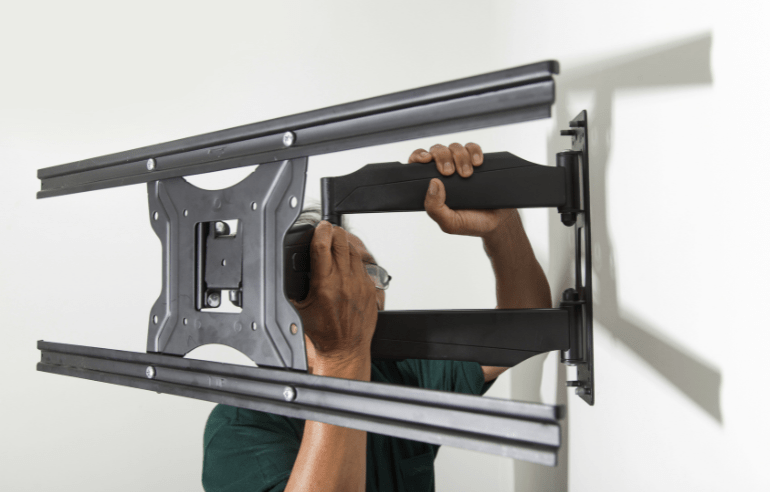
Installing a new telly seems like a straightforward task, doesn’t it? Just mount the bracket, hang the TV, plug in some cables and you’re good to go. But anyone who’s ever tried to sort this out themselves knows it’s rarely that simple. Professional TV installers bring years of experience to the job, spotting potential issues that most DIYers wouldn’t even think to look for.
I’ve seen plenty of wobbly TVs and dangling cables in my time, having gone through the pain of DIY installation before finally hiring a pro for my 65-inch OLED. The difference was night & day! So I thought I’d share some insider knowledge on what these professionals actually check during an installation.
Wall Structure Assessment
The number one thing pros check that amateurs often overlook is the actual structure of your wall. It’s not just about finding studs — although that’s certainly important! Professional installers will thoroughly examine your wall composition to determine if it can ACTUALLY support the weight of your telly.
Drywall alone won’t cut it for larger screens, and even with wooden studs, there’s a technique to distributing the weight properly. Pros know exactly how many fixings are needed based on both the TV weight and the specific wall construction. They’ll also check for potential obstacles behind the wall like pipes or electrical wiring that could spell disaster if you drill through them.
I remember trying to mount my previous TV on what I thought was a solid wall, only to discover it was plasterboard with metal studs — completely unsuitable for my mounting bracket! A professional would’ve spotted this straightaway and suggested alternative solutions.
Proper Viewing Height & Angle
Ever been to someone’s house where the TV is mounted so high you get a neck ache just watching it? That’s what happens when ergonomics get ignored. Professional installers don’t just slap your telly anywhere on the wall — they consider optimal viewing angles based on your room layout and primary seating positions.
The ideal height typically places the middle of the screen at eye level when seated. Pros will measure this precisely, often using laser levels to ensure perfect alignment. They’ll also consider factors like screen glare from windows and lighting, something most DIYers completely forget about until that evening when the sun sets directly into their new TV screen.
They’ll also assess whether a tilting or full-motion mount might be better for your specific situation, rather than just using whatever bracket came with the TV. This attention to positioning makes a massive difference to your viewing experience.
Cable Management
There’s nothing worse than a beautifully mounted television with a mess of cables hanging down the wall. Professional installers have systems for managing these cables that go way beyond the plastic trunking you’d pick up at B&Q.
They’ll carefully plan cable routes, potentially running them through walls where appropriate (checking building regulations first, of course). They’ll also consider future-proofing by installing conduits that allow for additional cables later, rather than just dealing with what’s needed today.
Most DIYers underestimate how many cables they’ll actually need and don’t leave enough slack for adjustments. Professionals will ensure there’s just enough cable length for flexibility without creating unsightly loops or tension that could damage connectors over time.
Power Supply Considerations
Another crucial element that DIYers often bodge is the power situation. Trailing an extension lead up the wall is not just unsightly — it can be downright dangerous! Professional installers will assess whether you need a new power socket installed behind the TV position and can often arrange for a qualified electrician if required.
They’ll check the electrical load your setup will draw, ensuring circuits won’t be overloaded. This is especially important with modern entertainment systems that might include multiple devices beyond just the television itself.
Pros will also advise on surge protection options to safeguard your expensive equipment. These details might seem minor, but they’re exactly the kind of things that separate a proper installation from a dodgy DIY job that’ll need redoing in six months.
Signal Quality Testing
You’ve got the TV mounted perfectly, but what about the actual picture quality? Professional installers don’t just hook everything up and leave — they’ll test signal strength and quality across all your inputs.
This includes checking aerial signals (measuring dB levels for optimal reception), testing HDMI connections at their rated speeds, and ensuring any streaming devices are properly configured. They’ll also make sure your TV settings are optimised for your viewing environment, something most DIYers never bother with.
I’ve seen countless people living with subpar picture quality simply because they didn’t realise their TV needed calibrating or that their aerial connection was degraded. A professional will identify these issues immediately and rectify them before they become problems.
Sound Considerations
Modern ultra-thin TVs look gorgeous on the wall, but they typically have terrible built-in speakers. Professional installers will discuss sound options based on your room acoustics and budget, rather than leaving you with tinny audio that ruins your viewing experience.
They’ll recommend appropriate sound solutions — whether that’s a simple soundbar, a full surround system, or ceiling-mounted speakers — and can often install these as part of the service. Importantly, they’ll consider how these additional components integrate with your TV mounting, potentially adjusting heights or positions to accommodate them.
DIYers tend to focus solely on the TV itself, forgetting that audio is half the experience. I made this mistake myself, mounting my TV first and then realising my soundbar interfered with the remote sensor!
Future-Proofing Your Setup
Technology changes rapidly, and what works today might be obsolete tomorrow. Professional installers think ahead, planning for potential upgrades or additions to your system.
This might mean installing a larger bracket than currently needed to accommodate a future TV upgrade, running extra cabling for additional devices, or ensuring your wall mount can support heavier equipment if you decide to upgrade later.
They’ll also consider connectivity options that might become important — like making sure you’ve got the right HDMI specification for 4K or 8K content, or planning for additional gaming consoles or streaming devices you might add to your setup down the line.
Safety Checks
Perhaps most importantly, professional installers perform thorough safety checks that DIYers often skip entirely. They’ll verify that all components are securely attached, that weight limits aren’t exceeded, and that the installation meets relevant safety standards.
They’ll check that cables aren’t pinched or strained, that ventilation requirements for your specific TV model are met, and that any concealed wiring is properly installed according to building regulations.
These safety aspects mightn’t be glamorous, but they’re crucial for preventing accidents. The last thing you want is your expensive new OLED crashing to the floor because of cut corners during installation!
Environmental Factors
Professional installers consider environmental factors that most DIYers wouldn’t even think about. This includes assessing room temperature fluctuations that might affect electronics, checking for direct sunlight that could damage screens over time, and evaluating humidity levels in places like kitchens or bathrooms where TVs might be installed.
They might recommend additional ventilation solutions, anti-glare screens, or positioning adjustments based on these assessments. These environmental considerations can significantly extend the lifespan of your equipment and maintain optimal performance.
I’ve seen TVs mounted above fireplaces that failed within a year due to heat damage — something a professional would have warned against immediately!
The Bottom Line
While DIY TV installation might save you a few quid initially, the expertise that professionals bring often proves invaluable in the long run. They’ll ensure your television is mounted safely, positioned optimally, and configured correctly — potentially saving you from costly mistakes or disappointing performance issues.
If you’re investing hundreds or thousands of pounds in a new TV, spending a bit extra on professional installation makes perfect sense. After all, you wouldn’t buy a Ferrari and then try to service it yourself, would you?
