


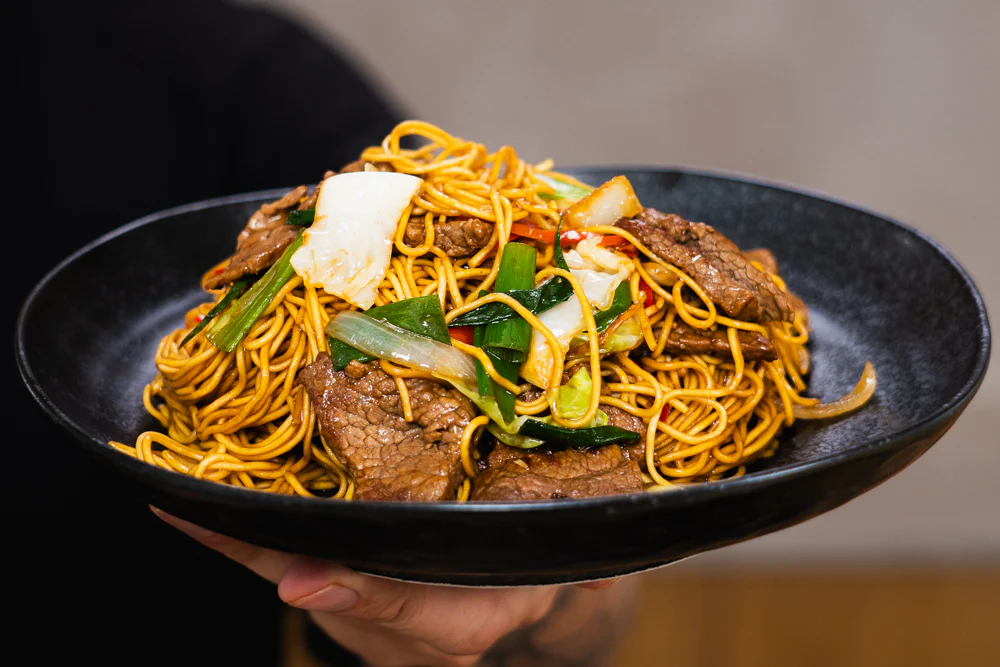
Chow mein is one of the most popular Chinese dishes worldwide. Its combination of stir-fried noodles, fresh vegetables, and savoury sauces makes it a favourite for many. Whether dining in a restaurant, ordering takeout or making it home, chow mein offers a satisfying, versatile, and delicious meal.
In this comprehensive guide, we’ll explore chow mein, its history, how it’s made, and why it remains such a beloved dish. We’ll also provide tips for customizing chow mein to suit your taste and dietary needs.
What Is Chow Mein?
“chow mein” translates to “fried noodles” in Chinese. This dish typically consists of stir-fried noodles, vegetables, protein, and a flavorful sauce. While chow mein has roots in Chinese cuisine, it has evolved into many variations worldwide, especially in regions like the United States, India, and the UK.
Key components of chow mein include:
- Noodles: Thin, wheat-based, crispy or soft noodles, depending on the recipe.
- Vegetables: Common options include cabbage, carrots, onions, and bean sprouts.
- Protein: Chicken, beef, shrimp, tofu, or eggs are often added.
- Sauce: A mix of soy sauce, oyster sauce, sesame oil, and other seasonings brings it all together.
Chow mein can be prepared in two main styles: crispy (pan-fried noodles) or soft (stir-fried noodles). Both versions are equally delicious, so it’s up to your preference.
A Brief History of Chow Mein
Chow mein originated in Northern China, where wheat-based noodles were a staple. It became popular as a quick and inexpensive meal that could be easily customized. Chinese immigrants introduced chow mein to other parts of the world in the late 19th and early 20th centuries, particularly in the United States during the Gold Rush era.
Over time, chow mein adapted to local tastes. For example:
- In the U.S., The dish often includes a rich soy-based sauce and a mix of vegetables like celery and bell peppers.
- In India, Spicy versions of chow mein with chilies, garlic, and Indian spices are standard.
- In the UK, Chow Mein frequently combines crispy and soft noodles with savory sauces.
Why Is Chow Mein So Popular?
Chow mein’s popularity comes from its simplicity, flavor, and versatility. People love how it can be adapted to suit different ingredients and preferences. Here are some reasons why chow mein remains a favorite dish:
- Quick to Make: Chow mein can be prepared in under 30 minutes, making it perfect for busy schedules.
- Healthy Ingredients: The dish includes plenty of vegetables, lean proteins, and whole grains (if entire wheat noodles are used).
- Customizable: Adjust the spice level, add your favourite veggies, or swap proteins as needed.
- Budget-Friendly: Chow Mein requires only a few essential ingredients that are affordable and easy to find.
- Kids Love It: The mild flavours and fun, slurpable noodles make it a hit with children.
How to Make Chow Mein at Home
Making chow mein at home is easier than you might think. You can whip up a restaurant-quality dish with simple steps and ingredients. Follow this easy recipe for a classic chicken chow mein:
Ingredients:
- 8 oz chow mein noodles (or any thin egg noodles)
- 2 cups mixed vegetables (e.g., cabbage, carrots, bell peppers)
- 1 lb chicken breast, thinly sliced
- 3 tbsp soy sauce
- 2 tbsp oyster sauce
- 1 tbsp sesame oil
- 1 tsp sugar
- 2 cloves garlic, minced
- 1 tbsp vegetable oil
- Green onions for garnish
Instructions:
- Cook the Noodles: Boil the noodles according to package instructions. Drain and set aside.
- Prepare the Sauce: In a small bowl, mix soy sauce, oyster sauce, sesame oil, and sugar.
- Stir-Fry the Protein: Heat vegetable oil in a large pan or wok. Add the chicken and cook until browned. Set aside.
- Cook the Vegetables: Add garlic to the pan and stir-fry for 30 seconds. Toss in the vegetables and cook until slightly tender but still crisp.
- Combine Everything: Return the chicken to the pan, then add the noodles and sauce. Toss everything together until well-coated.
- Serve: Garnish with green onions and serve hot.
Variations of Chow Mein
One of the best things about Chow Mein is how customizable it is. Here are a few variations to try:
1. Vegetarian Chow Mein
- Skip the meat and add extra vegetables like mushrooms, zucchini, or broccoli.
- Use tofu or paneer as a protein option.
2. Shrimp Chow Mein
- Replace chicken with shrimp for a seafood twist.
- Add a splash of lime juice for extra zing.
3. Spicy Chow Mein
- Add chilli flakes, Sriracha, or chopped fresh chillies for a spicy kick.
- Use spicy sesame oil for more heat.
4. Gluten-Free Chow Mein
- Use gluten-free soy sauce and rice-based noodles.
- Check that all sauces are labelled gluten-free.
5. Low-Carb Chow Mein
- Swap noodles for spiralized zucchini or shirataki noodles.
- Add extra protein and leafy greens for a satisfying meal.
Tips for Perfect Chow Mein Every Time
To make your chow mein taste as good as it does in restaurants, follow these tips:
- Use High Heat: Stir-frying at high heat ensures the noodles and vegetables cook quickly without becoming soggy.
- Prep Ingredients in Advance: Have everything chopped and ready before cooking.
- Don’t Overcook the Noodles: Slightly undercook the noodles when boiling, as they’ll cook further in the stir-fry.
- Customize the Sauce: Taste the sauce and adjust the seasoning before adding it to the noodles.
- Add Sesame Oil Last: Drizzle sesame oil at the end of cooking for the best flavour.
Health Benefits of Chow Mein
Chow mein can be a healthy and balanced meal with fresh ingredients. Here are some of the nutritional benefits:
- Rich in Fiber: Vegetables provide fibre, which supports digestion.
- Protein-Packed: Adding chicken, tofu, or shrimp ensures a good dose of protein to keep you full.
- Low in Sugar: Homemade chow mein typically contains less sugar than store-bought or takeout versions.
- Customizable for Dietary Needs: You can make vegetarian, gluten-free, or low-carb to suit your preferences.
Chow Mein vs. Lo Mein: What’s the Difference?
People often confuse chow mein with lo mein, which are distinct dishes. Here’s a quick comparison:
| Feature | Chow Mein | Lo Mein |
|---|---|---|
| Noodle Texture | Crispy or stir-fried | Soft and boiled |
| Cooking Style | Stir-fried in the wok | Tossed in sauce |
| Sauce Amount | Light coating of sauce | More sauce, less frying |
Both dishes are delicious, but chow mein is ideal for those who love the smoky, stir-fried flavor of crispy or lightly fried noodles.
Final Thoughts on Chow Mein
Chow mein is more than just a comfort food; it’s a dish that brings people together. Its rich flavours, endless customizations, and quick preparation time make it a go-to meal for families, foodies, and busy individuals. Whether savouring a plate of crispy noodles or enjoying a healthier veggie-packed version, chow mein never disappoints.
Try making chow mein at home today! With a few simple ingredients and practice, you can create a dish that tastes like your favourite takeout—if not better.
