


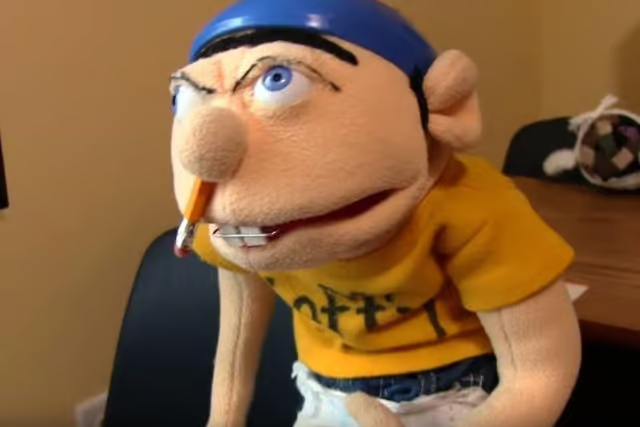
Pop culture occasionally spawns characters that divide audiences instantly, sparking intense debates across digital platforms. Among independent web series characters, few have generated as much discussion as Jeffy. Recognizable by his signature yellow shirt, diaper, motorcycle helmet, and a pencil permanently stuck in his nose, this puppet character occupies a unique space in modern internet entertainment.
Examining how this character evolved provides a fascinating look at independent digital media, audience engagement, and the shifting landscape of online comedy.
Origins and Evolution on the Screen
The character debuted in January 2016 within a popular independent YouTube puppet comedy series. Initially conceived as a temporary addition for a single babysitting storyline, the reception proved overwhelming. Creators quickly realized that the chaotic energy resonated strongly with younger demographics, transforming a planned one-off appearance into a permanent fixture of the channel.
Over the years, the character’s narrative role expanded dramatically. Storylines evolved from simple household disruptions to elaborate, absurd adventures involving school attendance, bizarre jobs, and recurring conflicts with adoptive parental figures. This longevity transformed a simple prop into a recognizable internet icon with millions of views per episode.
Core Characteristics and Behavioral Traits
Understanding the appeal requires looking at the specific traits that define the character’s on-screen presence. The humor relies heavily on unpredictable, cartoonish antics that break conventional social rules.
- Absurdist Actions: Regular routines include playing improvised tunes on a small electronic keyboard, tossing green beans across the room, and repeating nonsensical phrases.
- Fourth-Wall Breaks: The character frequently acknowledges the fictional nature of the medium, interacting directly with viewers or referencing production elements.
- Chaotic Energy: Plotlines often revolve around unprovoked mischief, testing the patience of surrounding characters, and escalating simple tasks into disasters.
The Comedy Style: Slapstick Meets Satire
The humor leans heavily into classic slapstick traditions combined with modern internet absurdity. By exaggerating behavioral flaws to an extreme degree, the skits create a chaotic environment where anything can happen.
Compared to traditional sitcom characters who learn lessons by the end of an episode, this character remains stubbornly immune to personal growth. Every narrative reset brings the household back to square one, allowing for endless repetition of familiar conflict patterns. This predictable unpredictability forms the core engine of the series.
Cultural Impact, Criticism, and Fan Reception
Few figures in digital media elicit such starkly contrasting opinions. The fanbase views the character as a hilarious source of pure escapism, appreciating the unfiltered, chaotic comedy. Merchandise, fan art, and dedicated communities online point to a deeply engaged audience.
Conversely, critics and long-time viewers often express frustration. Common points of discussion include:
- Repetitive Formats: Some argue that relying heavily on one dominant personality overshadows other classic characters in the ensemble.
- Tone Shifts: Traditional fans of earlier, video game-parody content sometimes feel the shift toward puppet-centric comedy altered the original identity of the series.
- Content Concerns: The eccentric behavior and crude humor occasionally draw scrutiny regarding its appropriateness for younger viewers.
Comparing Traditional Sitcom Troublemakers to Modern Web Puppets
| Feature | Classic Sitcom Troublemaker (e.g., Bart Simpson) | Modern Web Puppet Character |
| Medium | Animated television broadcast | Independent online video platform |
| Narrative Arc | Occasional moments of growth or sentimentality | Total immunity to character development |
| Physical Prop | Drawn animation cells | Hand-operated physical puppet |
| Audience Interaction | Passive viewing experience | High engagement via comments, memes, and fan communities |
Frequently Asked Questions
Who performs and voices the character?
The character is brought to life physically and vocally by Lance Thirtyacre, who manages the distinct high-pitched voice and physical mannerisms during shoots.
Was the character originally intended to stay permanently?
No. Production records and creator interviews confirm that the role was originally written as a one-time guest appearance before audience demand turned him into a permanent lead.
What are the character’s trademark accessories?
The most notable visual identifiers include a yellow t-shirt with his name written on it, a diaper, a motorcycle helmet, and a pencil inserted through his nose.
Is the character based on a real person?
The personality is a fictional exaggeration created for comedic effect, combining traits of classic cartoon mischief with absurdist web humor.
Why do some viewers criticize the character?
Critics often point to the repetitive nature of the humor, loud outbursts, and the overshadowing of older, legacy characters within the series.
How does the character fit into the broader storyline?
He acts as the adopted child of the primary household, constantly disrupting daily life and forcing other characters to react to his chaotic schemes.
Conclusion
Love it or dismiss it, the character represents a fascinating case study in independent digital content creation. By tapping into raw, unfiltered absurdity and maintaining a relentless release schedule, the creators built a lasting internet staple. Whether viewed as brilliant chaotic comedy or exhausting repetition, the character remains a defining emblem of modern YouTube entertainment history.
