



Physics is one of the most fascinating subjects in science. It explains how the universe works, from the smallest particles to the largest galaxies. However, many students find physics challenging because it involves complex concepts, formulas, and problem-solving. If you want to succeed in physics, you need the right strategies and mindset.
In this guide, you will learn how to master physics step by step. Whether you are a high school student, a college learner, or an aspiring scientist, these tips will help you improve your understanding and performance.
Why Is Physics Important?
Physics is the foundation of many scientific and technological advancements. It helps us understand natural phenomena and develop new technologies. Here are some reasons why physics is important:
- Explains Natural Laws – Physics explains gravity, motion, energy, and other natural forces.
- Develops Critical Thinking – Solving physics problems improves logical reasoning and problem-solving skills.
- Supports Engineering and Technology – Many fields, including engineering, medicine, and space exploration, rely on physics.
- Leads to Innovation – Physics discoveries have led to inventions like computers, lasers, and medical imaging devices.
Understanding physics can open doors to exciting careers and new opportunities. Let’s explore how you can master physics effectively.
How to Master Physics: Proven Strategies
Mastering physics requires the right approach. Follow these strategies to improve your understanding and problem-solving skills.
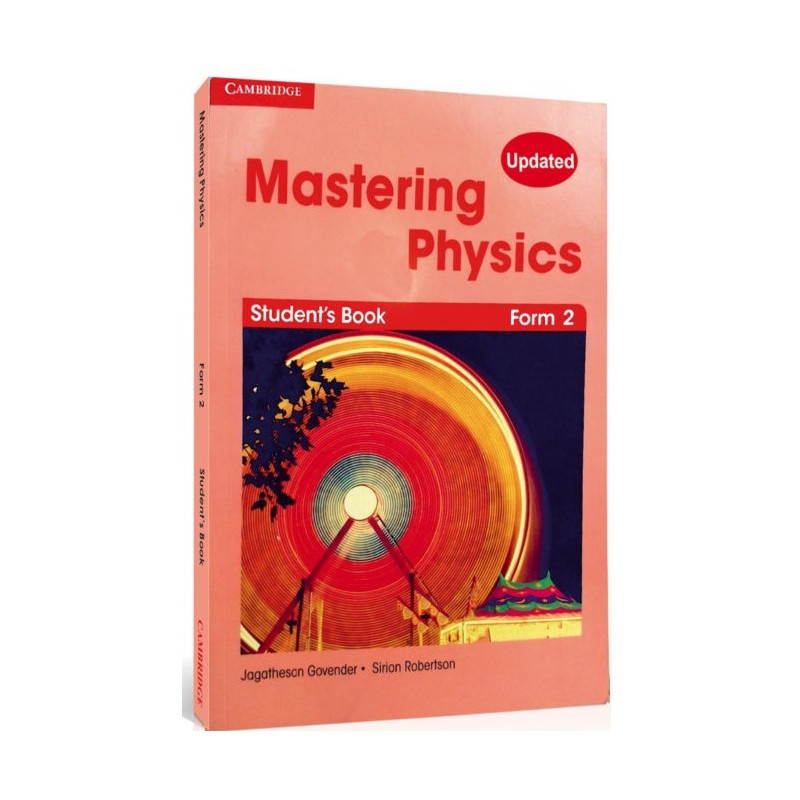
1. Build Strong Foundations
Physics concepts build on each other. If you don’t understand the basics, advanced topics will be difficult. Focus on:
- Basic Mathematics – Algebra, trigonometry, and calculus are essential for physics.
- Fundamental Concepts – Learn about forces, motion, energy, and waves before moving to advanced topics.
- Units and Measurements – Understanding SI units and conversions is crucial for solving physics problems.
2. Understand the Concepts, Not Just Formulas
Many students memorize formulas without understanding their meaning. Instead, focus on:
- Derivations – Learn how formulas are derived to understand their purpose.
- Real-Life Examples – Relate physics concepts to everyday life. For example, Newton’s Laws explain how cars move and stop.
- Practical Experiments – Conduct simple experiments to see physics in action.
3. Practice Problem-Solving Daily
Physics is not just about theory; it’s about solving problems. To improve your skills:
- Solve Different Types of Problems – Work on conceptual, numerical, and graphical problems.
- Use Step-by-Step Approaches – Break problems into smaller steps to find the solution.
- Check Your Answers – Always verify calculations and understand mistakes.
4. Visualize Physics with Diagrams and Simulations
Physics involves motion, forces, and energy interactions that are easier to understand visually. Try these techniques:
- Draw Diagrams – Sketch forces, motion paths, and waveforms to clarify concepts.
- Use Online Simulations – Websites like PhET Interactive Simulations help visualize physics concepts.
- Watch Educational Videos – Platforms like YouTube and Khan Academy provide excellent physics explanations.
5. Use the Right Study Resources
Having the right study materials can make learning physics easier. Some recommended resources include:
- Textbooks – Choose well-explained books like “Fundamentals of Physics” by Halliday and Resnick.
- Online Courses – Platforms like Coursera and edX offer free physics courses.
- Practice Websites – Websites like HyperPhysics and Physics Classroom provide interactive lessons.
6. Form Study Groups and Discuss Concepts
Studying with others can help you learn faster and clear doubts. Benefits of group study include:
- Different Perspectives – Others may explain concepts in a way that makes more sense.
- Doubt Solving – Discussing problems helps reinforce understanding.
- Motivation – Group studies keep you accountable and motivated.
7. Manage Your Time Effectively
Physics requires regular practice. To stay on track:
- Create a Study Schedule – Dedicate specific time slots to physics study.
- Prioritize Difficult Topics – Spend more time on challenging concepts.
- Take Breaks – Short breaks improve focus and retention.
8. Apply Physics to Real Life
Physics is everywhere. Applying what you learn to real-world situations makes it easier to understand. Try:
- Observing Motion – Notice how objects move, accelerate, and stop.
- Exploring Energy Use – Understand how electricity and heat work in daily life.
- Experimenting with Simple Machines – Study levers, pulleys, and gears in everyday tools.
Common Mistakes Students Make in Physics
Avoiding common mistakes can help you master physics faster. Here are some pitfalls to watch out for:
- Skipping the Basics – Without a strong foundation, advanced topics become confusing.
- Memorizing Without Understanding – Formulas make sense only when you understand their logic.
- Ignoring Units and Conversions – Incorrect units can lead to wrong answers.
- Not Practicing Enough – The more problems you solve, the better you get.
- Avoiding Word Problems – Real-world physics problems often involve text-based questions.
How to Stay Motivated While Learning Physics
Physics can be tough, but staying motivated will help you succeed. Here’s how:
- Set Clear Goals – Define what you want to achieve in physics.
- Celebrate Small Wins – Reward yourself for solving tough problems.
- Stay Curious – Explore interesting physics topics beyond your syllabus.
- Follow Inspirational Scientists – Read about physicists like Einstein, Newton, and Hawking.
Conclusion
Mastering physics is possible with the right approach. Focus on understanding concepts, practicing regularly, and using visual tools to enhance learning. Avoid common mistakes and stay motivated throughout your journey. Whether you want to excel in exams, pursue a career in science, or simply understand the world better, mastering physics will open many doors for you.
