


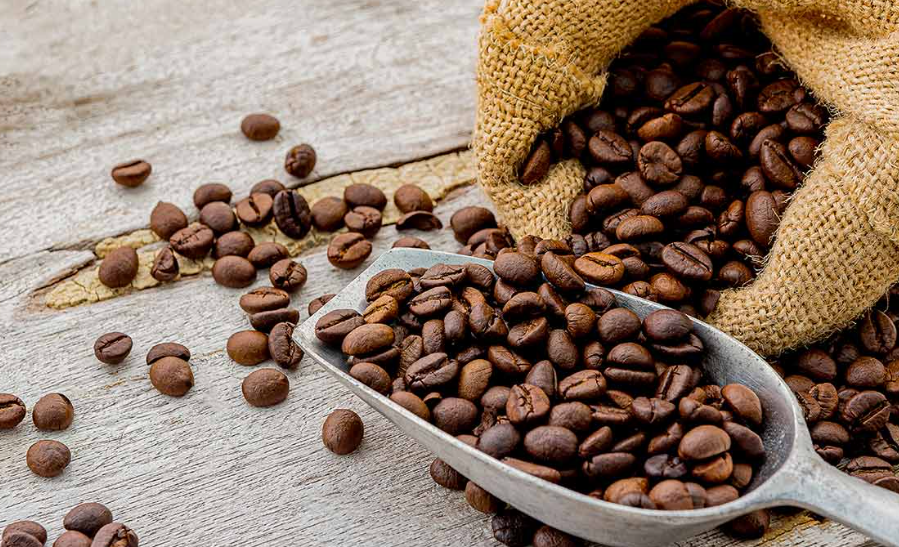
Coffee packaging can look complicated. A few useful clues will tell you far more than the longest tasting-note list.
Buying coffee should be straightforward. Yet a typical bag can present you with a roast level, country, region, altitude, processing method and a list of flavours that sound as though they belong on a restaurant menu. Add phrases such as single-origin, micro-lot and specialty grade, and it is easy to choose by packaging alone.
The useful news is that you do not need to understand every term. Most of what you need to know can be found in four places: the roast level, the flavour notes, the origin and whether the coffee is a blend or a single-origin. Once you know what those details are trying to communicate, choosing a bag becomes much less of a gamble.
Start with the roast level, not a strength number
Roast level is usually the quickest indicator of how a coffee may taste. Light roasts tend to preserve more of the bean’s original character, which can mean brighter acidity and fruitier or more floral flavours. Medium roasts usually bring a balance of sweetness, body and acidity. Medium-dark and dark roasts move towards deeper chocolate, toasted and smoky flavours.
That does not mean light coffee is weak or dark coffee contains more caffeine. Roast describes how the beans have been developed, not how concentrated your finished drink will be. The amount of coffee and water you use has a much greater effect on strength in the cup.
If you want something familiar, smooth and easy to drink, medium roast is usually the safest place to begin. If you like lively, delicate flavours, explore the lighter end. If you prefer a fuller, more roasted taste, move darker – but remember that very dark is not automatically richer or better.
Tasting notes are not added flavours
A bag that lists chocolate, cherry or brown sugar has not normally been flavoured with those ingredients. Tasting notes describe natural similarities that people notice in the aroma and taste of the brewed coffee. They are more like a useful direction than a promise that your drink will taste exactly like a chocolate bar or bowl of fruit.
Look for families of flavours rather than individual words. Chocolate, caramel, nuts and toffee usually suggest a rounder, more familiar cup. Citrus, berries and flowers point towards something brighter and more aromatic. Spice, tobacco or smoke often indicate a deeper roast or heavier profile.
If you are still working out what you enjoy, note the words on coffees you finish happily and those you do not. After three or four bags, a pattern normally begins to appear.
Origin is a clue, not a guarantee
Coffee is affected by variety, soil, altitude, weather, processing and roasting, so no country produces only one style. Even so, origin can offer a broad clue. Coffees from Brazil are often associated with chocolate, nuts and a softer acidity, while Colombian coffees frequently balance caramel-like sweetness with gentle fruit. Ethiopian and Kenyan coffees are often known for brighter fruit or floral qualities.
Use those associations as a starting point rather than a rigid rule. The flavour notes and roast level printed on the bag are still more useful than the country name by itself.
Single-origin and blend do different jobs
Single-origin coffee comes from one country, region, farm or producer group, depending on how specifically the roaster uses the term. It can be a good choice when you want to explore the character of a particular place or enjoy more distinctive flavours.
A blend combines coffees selected to work together. Good blends are not a way of hiding inferior beans; they are designed to create balance and consistency. One component might add sweetness, another body and another a brighter finish. For an everyday cup that needs to work black, with milk and across several brewing methods, a carefully built blend can be exactly the right choice.
Processing can change the personality of the cup
You may also see washed, natural or honey process on the label. These terms describe how the coffee fruit is removed and the beans are dried after harvest. Washed coffees often taste cleaner and more defined. Natural-process coffees commonly show more fruit and sweetness. Honey-process coffees can sit somewhere between the two, although the final result still depends on the bean and the roaster.
Processing is useful when you want to explore, but it does not need to drive your first purchase. Roast level and flavour notes will usually tell a casual drinker more.
What does specialty coffee mean?
Specialty is a quality term rather than a flavour. It refers to coffee that has met recognised standards for quality and has been handled with care from growing and processing through to roasting and brewing. It does not mean that every specialty coffee will suit every person, only that the raw coffee has the quality and character to produce a distinctive cup.
If you want the detail without the jargon, this explanation of what specialty coffee actually means offers a practical introduction.
Freshness and grind still matter
The best description in the world cannot rescue coffee that is stale or ground incorrectly for the way you brew. Whole beans generally hold their aroma for longer, provided you have a suitable grinder. Pre-ground coffee can still be convenient and enjoyable, but it should be ground for the intended method and kept sealed away from heat, moisture and direct light.
Do not assume that an aggressively bitter cup means you chose the wrong origin. Water that is too hot, a grind that is too fine or brewing for too long can all pull harsher flavours from the coffee. This guide to why coffee tastes bitter is a useful troubleshooting companion if your beans smell better than the finished drink tastes.
The quickest way to choose
For a smooth and familiar cup, start with a medium roast carrying chocolate, caramel, nutty or toffee notes. For something brighter, look for a light or light-medium roast with citrus, berry or floral notes. If you want more body without a burnt taste, try medium-dark coffee described as rich or cocoa-led rather than charred or smoky.
Most importantly, treat the bag as a guide rather than a test of your coffee knowledge. The right coffee is not the one with the most impressive description. It is the one you look forward to making again tomorrow.
