


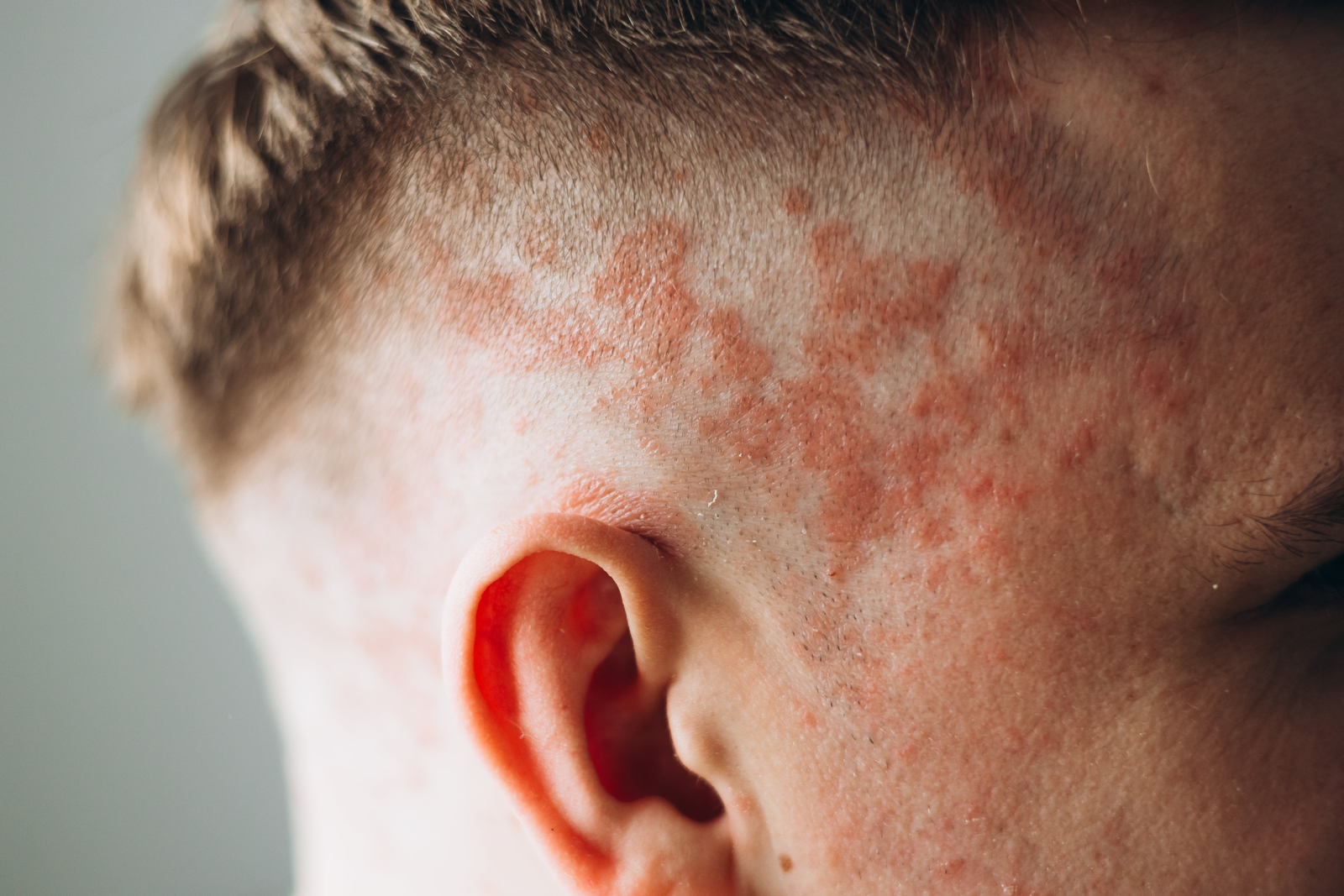
Psoriasis is a chronic autoimmune skin condition that causes skin cells to multiply up to ten times faster than normal. As underlying cells reach the surface of the skin and die, their sheer volume causes red, raised patches covered with white, silvery scales. They can grow anywhere, but most commonly appear on the scalp, elbows, knees, and lower back.
Living with psoriasis can be physically uncomfortable and emotionally challenging. However, with advances in modern medicine and holistic management, it is entirely possible to achieve clear skin, minimize flare-ups, and regain your confidence.
This detailed guide breaks down everything you need to know about treating and managing psoriasis effectively, from frontline medical therapies to daily lifestyle habits.
Understanding Psoriasis: Types and Severity
Before selecting a treatment plan, it is vital to understand the type and severity of the condition. Psoriasis presents differently in every individual.
Common Types of Psoriasis
- Plaque Psoriasis: The most prevalent form, characterized by dry, raised red skin lesions covered with silvery scales.
- Guttate Psoriasis: Primarily affects young adults and children. It triggers small, drop-shaped, scaling lesions on the trunk, arms, or legs, often triggered by a bacterial infection like strep throat.
- Inverse Psoriasis: Mainly affects the skin folds in the groin, buttocks, and breasts. It causes smooth patches of red skin that worsen with friction and sweating.
- Pustular Psoriasis: A rare form that causes clearly defined, pus-filled blisters on small areas (like the hands or feet) or widespread across the body.
- Erythrodermic Psoriasis: The least common but most severe form. It can cover the entire body with a red, peeling rash that can itch or burn intensely.
- Psoriatic Arthritis: Involves both skin inflammation and joint swelling, leading to pain, stiffness, and long-term joint damage if left unmanaged.
Assessing Severity Level
Dermatologists typically classify the condition into three severity tiers based on how much body surface area (BSA) is affected:
| Severity Level | Body Surface Area (BSA) Covered | Typical Presentation & Impact |
| Mild | Less than 3% | Isolated patches on knees, elbows, or scalp; minimal daily disruption. |
| Moderate | 3% to 10% | Affects hands, feet, torso, or scalp; impacts social or physical comfort. |
| Severe | More than 10% | Widespread coverage or critical areas affected (face, palms, soles); major quality-of-life impact. |
Primary Treatment Modalities
Targeted care aims to stop skin cells from growing so quickly and to remove scales. Treatments fall into four main categories: topical therapies, phototherapy, systemic oral medications, and targeted biologics.
       [ Mild Coverage ]                  [ Moderate Coverage ]                [ Severe Coverage ]
               │                                   │                                   │
               ▼                                   ▼                                   ▼
┌──────────────────────────────┐    ┌──────────────────────────────┐    ┌──────────────────────────────┐
│  1. Topical Treatments       │    │  2. Phototherapy (Light)     │    │  3. Systemics & Biologics    │
│  • Corticosteroids           │ ──►│  • Narrowband UVB            │ ──►│  • Oral Immunosuppressants   │
│  • Vitamin D Analogues       │    │  • PUVA Therapy              │    │  • Targeted Biologics        │
│  • Calcineurin Inhibitors    │    │  • Excimer Laser             │    │  • JAK Inhibitors            │
└──────────────────────────────┘    └──────────────────────────────┘    └──────────────────────────────┘
1. Topical Treatments (Creams and Ointments)
Topical applications are applied directly to affected areas. They are the frontline defense for mild to moderate cases.
Corticosteroids
Topical steroids reduce inflammation and relieve itching. Mild steroid ointments are recommended for sensitive areas like the face or skin folds, while stronger compounds are reserved for tough, stubborn patches on knees and elbows. Long-term use can thin the skin, so dermatologists usually prescribe them for short bursts.
Vitamin D Analogues
Synthetic forms of vitamin D (such as calcipotriene and calcitriol) slow down skin cell growth. They can be used alone or combined with topical steroids for enhanced efficiency without thinning the skin.
Retinoids
Tazarotene is a topical retinoid that normalizes skin cell growth and reduces inflammation. Because it can cause localized skin irritation, it is frequently combined with steroid treatments.
Calcineurin Inhibitors
Tacrolimus and pimecrolimus disrupt immune system signals that cause redness and scale buildup. They are especially useful in delicate areas—such as around the eyes, groin, or face—where steroids cannot be safely used for extended periods.
Coal Tar and Salicylic Acid
- Salicylic Acid: Encourages the sloughing off of dead skin cells, helping to soften and reduce scaling on the scalp and body.
- Coal Tar: An older remedy that reduces scaling, itching, and inflammation. Available over the counter and in prescription strengths, tar can be messy and stain fabrics, but it remains very effective.
2. Phototherapy (Light Therapy)
Phototherapy uses natural or artificial ultraviolet (UV) light to suppress overactive immune responses in the skin.
- Narrowband UVB Phototherapy: Exposes the skin to specific wavelengths of UVB light. It is administered in a clinic setting several times a week until skin clears.
- PUVA (Psoralen plus UVA): Combines a light-sensitizing medication (psoralen) with UVA light exposure. It penetrates deeper into the skin than UVB and is reserved for more resistant cases.
- Excimer Laser: Delivers a concentrated beam of UVB light directly to target patches without exposing healthy surrounding skin.
- Sunlight: Controlled, brief daily exposures to natural sunlight can improve skin plaques, though overexposure must be avoided to prevent sunburns, which can trigger fresh outbreaks.
3. Systemic Medications (Oral Drugs)
For moderate to severe cases, or cases that do not respond to topical care and light therapy, oral medications work throughout the entire body to damp down systemic inflammation.
- Methotrexate: Suppresses skin cell production and decreases inflammation. It requires regular blood tests to monitor liver function and blood counts.
- Cyclosporine: A potent immunosuppressant that offers rapid relief for severe outbreaks. Due to risks of high blood pressure and kidney damage, it is usually restricted to short-term control.
- Acitretin: An oral retinoid used to reduce skin cell production. It is often combined with phototherapy.
- Apremilast (PDE4 Inhibitor): An oral pill that targets specific enzymes inside immune cells to reduce systemic inflammation. It does not require frequent blood monitoring.
4. Biologic Therapies (Targeted Biologics)
Biologics represent a significant leap forward in care. Administered via injection or IV infusion, these medications target specific proteins involved in the inflammatory pathway (such as TNF-alpha, IL-17, or IL-23).
By blocking specific immune signals rather than suppressing the entire immune system, biologics offer high response rates and can dramatically clear severe plaques and protect joints from psoriatic arthritis.
Treatment Comparison Matrix
Choosing the right approach depends on severity, convenience, risk factors, and financial considerations. The table below outlines how these main approaches compare:
| Treatment Category | Typical Candidates | Key Benefits | Potential Side Effects & Considerations |
| Topical Steroids / Vitamin D | Mild to Moderate cases | Easy to apply at home; targeted localized action; minimal systemic effects. | Skin thinning, skin irritation, decreased efficacy over long-term continuous use. |
| Phototherapy (UVB/PUVA) | Moderate to Severe widespread cases | Non-drug therapy; safe for long-term maintenance; high success rate. | Requires frequent clinic visits (2–3 times/week); temporary redness, dry skin, premature aging. |
| Oral Systemics (Methotrexate) | Moderate to Severe / Psoriatic Arthritis | Systemic relief; affordable; protects joints alongside skin. | Requires routine blood monitoring; potential liver, kidney, or gastrointestinal side effects. |
| Targeted Biologics | Severe cases / Unresponsive to topicals | High rate of complete skin clearing; convenient dosing schedules (every few weeks/months). | High cost; increased risk of upper respiratory infections; requires baseline tuberculosis testing. |
Essential Lifestyle and Daily Care Routine
Medical intervention works best when paired with proactive self-care habits. Managing daily exposure, diet, stress, and skin care can lower flare-up frequencies.
┌─────────────────────────────────────────────────────────────────┐
│                    DAILY SELF-CARE PILLARS                      │
├───────────────┬───────────────────┬───────────────┬─────────────┤
│   MOISTURE    │  STRESS CONTROL   │ ANTI-INFLAMM. │  TRIGGER    │
│   BARRIER     │   & SLOW BREATH   │    NUTRITION  │ AVOIDANCE   │
└───────────────┴───────────────────┴───────────────┴─────────────┘
1. Deep Hydration & Moisture Barrier Support
- Apply thick ointments or rich cream moisturizers within three minutes of exiting the bath or shower to seal in hydration.
- Avoid hot water; use lukewarm water for bathing to keep natural oils intact.
- Use gentle, fragrance-free cleansers that won’t strip skin lipid layers.
2. Identifying and Managing Triggers
External triggers cause system-wide flare-ups. Key factors to track include:
- Skin Injuries (Koebner Phenomenon): Scrapes, bug bites, sunburns, or vaccinations can trigger new lesions at the site of trauma.
- Infections: Strep throat, ear infections, or respiratory viruses often precede guttate outbreaks.
- Weather: Cold, dry winter air removes moisture from skin cells, while warm sunshine generally improves symptoms.
3. Dietary Adjustments and Anti-Inflammatory Foods
While no single diet cures skin conditions, eating anti-inflammatory foods can help calm system-wide reactivity:
- Emphasize: Omega-3 fatty acids (salmon, mackerel, flaxseeds), leafy greens, berries, colorful vegetables, and olive oil.
- Minimize: Processed foods, refined sugars, red meat, and excessive dairy, which can promote inflammation.
- Limit Alcohol & Tobacco: Smoking doubles the risk of developing severe symptoms and reduces treatment responsiveness. Heavy alcohol consumption can trigger flares and interact dangerously with medications like methotrexate.
4. Stress Management Strategies
Emotional stress is one of the most powerful triggers for flare-ups. High cortisol levels activate inflammatory responses across the body.
- Practice mindfulness meditation, deep breathing exercises, or gentle yoga daily.
- Prioritize 7 to 9 hours of quality sleep per night to support tissue repair.
- Seek support groups or counseling to manage the emotional weight of living with a chronic condition.
Frequently Asked Questions
Is psoriasis contagious?
No. Psoriasis is an autoimmune condition caused by internal immune signals and genetics. You cannot contract or spread it through physical contact, sharing personal items, or swimming in public pools.
Can psoriasis be permanently cured?
Currently, there is no permanent cure. However, modern medical care can suppress symptoms to the point of complete skin clearance and long-term remission.
How long does it take for treatments to show results?
Topical steroid treatments may show improvements within 1 to 2 weeks. Phototherapy and systemic medications usually take 4 to 8 weeks to demonstrate significant progress. Biologic therapies often show results within 2 to 4 weeks, with maximum benefit appearing around 12 to 16 weeks.
What should I do if my current treatment stops working?
It is common for the body to become tolerant to certain treatments over time—especially topicals. If your current regimen loses its effectiveness, speak with your dermatologist. They may adjust your dosage, cycle you to another medication class, or combine treatments for better outcomes.
Working with Your Dermatologist
Managing skin health is an ongoing journey that requires regular communication with a dermatologist. Keep a personal flare journal tracking your diet, stress levels, weather changes, and skin reactions. This record helps your specialist tailor a personalized plan that provides optimal skin clearance, minimal side effects, and long-term control over your well-being.
