


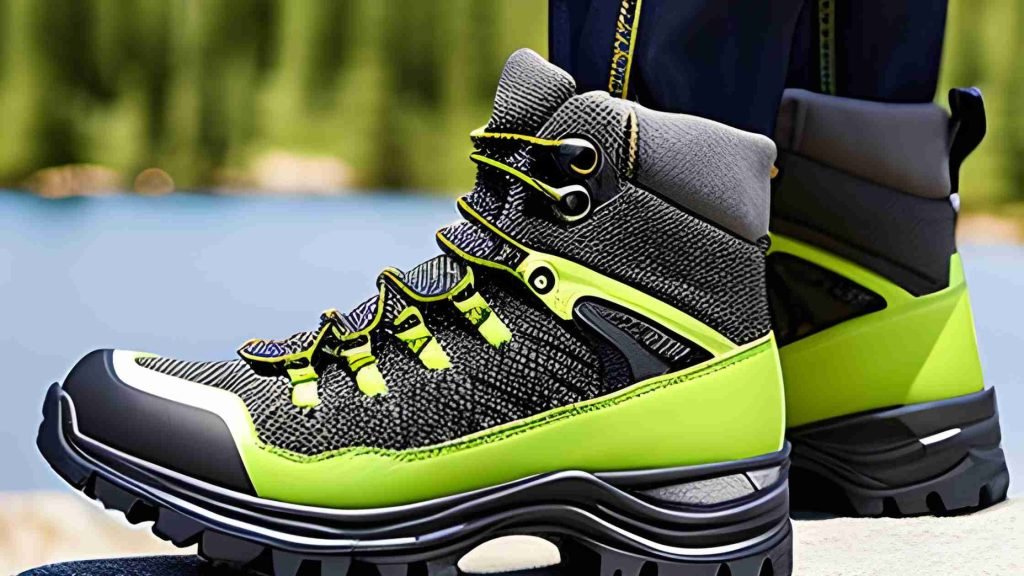
Few women can resist the allure of shoes that perfectly combine comfort and style. If you’re shopping for a new pair to wear on your next hiking trip, here’s what to look for before clicking the Buy Now button.
Consider Your Style
If you journey through life with a taste for adventure and an offbeat sense of flair, Vegan walking boots for women sound perfect. Look at the design details and features of the shoes. Do they look like they belong in your closet or beside your other shoes? Order a pair and be ready to take your next step with them.
Look at the Fit
However, style is only one of many factors when shopping for Vegan walking boots for women. Be sure to check the fit. Note the foot length and width. You don’t want footwear that’s too tight or too loose. Is there enough toe room? Your feet will thank you later when you wear those shoes, and don’t feel that your toes are pinched or rubbed too much against the sides of the shoes. The resulting friction could result in abrasions to your skin.
Remember Arch Support
Keep your ankles aligned with arch support. If you have support to help you over the rough terrain, your feet will feel better, even after hours of hiking. Arch support also reduces the strain on your feet, so you can walk or run better.
Match to Your Activity
Are you using the shoes for a hiking trip? Or do you plan to wear them for your backpacking adventures, too? Different activities come with varying expectations and footwear requirements.
- When hiking, you want something lightweight, with good traction and support, and that’s often waterproof. That’s because going on mountain hikes typically means trampling along fields and muck made even more messy with rain. Your feet will be uncomfortable with the right shoes, affecting your experience for the rest of the journey.
- If you’re backpacking, you’ll want shoes with a heavy lug pattern on the soles. You’ll be walking around a lot.
- And, if you’re buying shoes for trail running, which means going over plenty of uneven terrain and dirt paths, you’ll need to switch to models with breathable fabric, lightweight, and a sturdy design. It should be a more aggressive tread pattern than every day running shoes which you use when you hit the pavement and run in parks or around your home.
Note Weather Conditions
If you’re buying running shoes for winter, look at the design. Does it offer enough traction? If you expect to walk over icy patches of ground or pavement, well-defined treads will help you easily navigate those surfaces. You can avoid slips and falls when you factor in weather conditions when choosing your shoes. Also, you want shoes that keep your feet warm and toasty to protect against the cold. It’s also a good idea to pick a pair with enough give that’s comfortable to wear with thick, warm socks.
Think About Overnight Hikes
Hiking at night increases the risk of falls and slips. Better footwear can reduce your chances of falling flat on your bum or face. They should be lightweight, allowing you to move in the dark, have enough traction to avoid falls when you encounter icy patches, and be insulated enough to keep your feet warm. Night hikes are notorious for the cold. Having a jacket and long pants won’t be enough. You’ll want your feet protected, too.
Prioritize Features
As a seasoned shopper, you likely look for several features when buying shoes. That should include the following:
- Breathability. Is the material breathable? If it keeps your feet cool, that prevents sweat buildup and keeps you comfortable. If the shoes are too warm, they can leave you with sweaty feet and athlete’s foot.
- Water resistance. Waterproof shoes or models with high water resistance are ideal when you go on hikes. It’s often humid in the mountains, and waterproof footwear keeps your feet dry. The last thing you want is tromp along for miles with sweaty feet.
- Comfort. You should always check the fit and support features of the shoes. Enough cushioning and support mean you can walk around for hours without worrying about sore, achy feet. Support also means your ankles and calves are more stable, suffering from reduced pressure and stress.
Must-Know Buying Advice
- Always try the shoes later in the day. Feet swell throughout the day, so you’ll know better if they fit.
- Shop for the right socks. If you’re hiking in cold weather, you’ll need thick socks. Pick shoes with a roomy fit and match them with your socks.
- Research the material. Before buying vegan footwear, understand the material. What is it made of? Is it made of hemp cloth? Some are made of synthetic microfibers, apple skin leather, and cork. Under which category are your shoes?
