


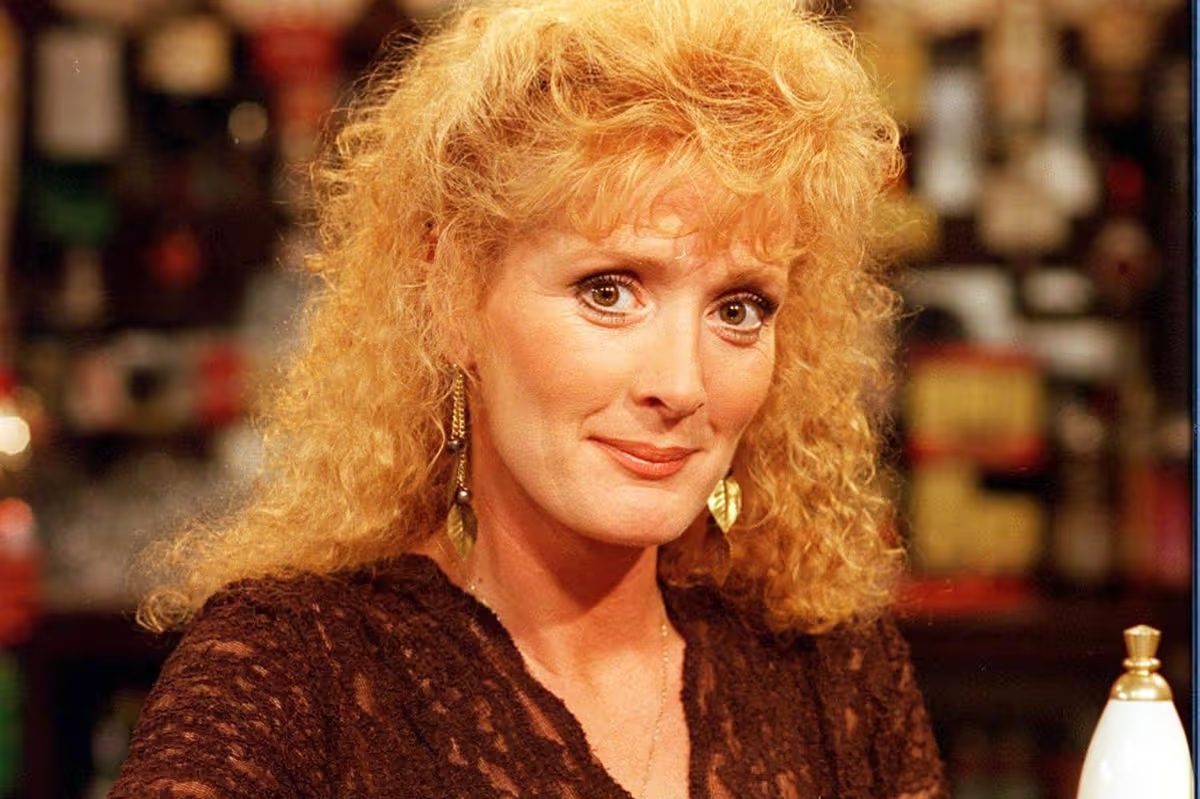
Beverley Callard is a beloved fixture of British television, best known for her decades-long portrayal of the iconic Liz McDonald on Coronation Street. With her bold leopard-print outfits, high-energy screen presence, and famous fitness videos in the 1990s, she appeared to the public as a picture of vitality and resilience.
Behind the bright lights of Weatherfield, however, the actress was navigating intense health battles. Her journey through severe clinical depression, a public breakdown, psychiatric hospitalization, and later a life-altering medical emergency following a botched surgery has turned her into one of the UK’s most transparent health advocates. Understanding the journey of the Beverley Callard illness reveals a story of vulnerability, physical agony, and remarkable survival.
The Silent Battle: Understanding Her Clinical Depression
For years, millions of viewers tuned in to watch Liz McDonald rule the Rovers Return public house with confidence. Yet, off-screen, Beverley was fighting a deep and persistent clinical depression. Clinical depression is not simply feeling sad or going through a tough patch; it is a severe medical condition that alters brain chemistry, energy levels, and psychological well-being.
Beverley has frequently pointed out that her depression was not always linked to a specific tragic event. Instead, it was caused by a severe chemical imbalance in her brain. This distinction is critical in understanding clinical depression. When brain chemicals like serotonin and dopamine fluctuate, a person can experience overwhelming darkness even when their personal and professional life appears entirely stable.
┌──────────────────────────────────────────┐
│ Severe Chemical Imbalance │
└────────────────────┬─────────────────────┘
│
▼
┌──────────────────────────────────────────┐
│ Onset of Unprovoked Depression │
└────────────────────┬─────────────────────┘
│
▼
┌──────────────────────────────────────────┐
│ Panic Attacks & On-Set Breakdowns (2009) │
└────────────────────┬─────────────────────┘
│
▼
┌──────────────────────────────────────────┐
│ Psychiatric Care & ECT Treatment │
└────────────────────┬─────────────────────┘
│
▼
┌──────────────────────────────────────────┐
│ Open Advocacy & Medication Management │
└──────────────────────────────────────────┘
Breakdown on Set: The Turning Point in 2009
The physical and emotional weight of her mental health struggles reached a crisis point in 2009. While preparing to film scenes for Coronation Street, she suffered a severe mental breakdown.
The pressure of playing a vibrant character while feeling empty inside created a terrifying disconnect. She described feeling overwhelmed by panic attacks in her dressing room. The overwhelming fear made it impossible to step in front of the camera.
Following her collapse on set, she was admitted to the Priory Clinic, a psychiatric facility. Her stay lasted several weeks as doctors worked to stabilize her condition.
Treatments and Electroconvulsive Therapy (ECT)
During her time in psychiatric care, standard medical treatments and talking therapies proved insufficient to lift her out of the deep depressive state. Doctors eventually recommended Electroconvulsive Therapy (ECT).
ECT is a medical procedure performed under general anesthesia where small electric currents are passed through the brain, intentionally triggering a brief seizure. While historically controversial, modern ECT is recognized as a highly effective intervention for severe, treatment-resistant depression. Beverley underwent multiple sessions of ECT, which she credited with helping save her life during her darkest hour, despite causing temporary memory loss.
Key Milestones in Beverley Callard’s Health Journey
To understand the full timeline of her public and private health battles, the table below highlights the key medical milestones she has faced over the years.
| Year | Event / Diagnosis | Medical Details & Impact |
| 2009 | Severe Mental Breakdown | Admitted to psychiatric care; underwent Electroconvulsive Therapy (ECT). |
| 2010 | Public Health Advocacy | Published her autobiography Unbroken, detailing her fight with depression. |
| 2016 | Medication Crisis | Experienced a relapse when her essential depression medication was withdrawn from production. |
| 2020 (March) | Botched Keyhole Hip Surgery | Routine procedure went wrong, leaving her with crumbling bone and inability to walk. |
| 2020 (July) | Major Hip Replacement | Corrective surgery performed to rebuild the joint and repair severe soft tissue damage. |
| 2020–2021 | Rehabilitation & Recovery | Underwent grueling physiotherapy to re-learn how to walk independently. |
The 2016 Medication Crisis: The Fragility of Chemical Balance
In 2016, Beverley experienced another major bump in her health journey. After years of maintaining stability through a carefully managed medical regimen, the specific pharmaceutical drug she relied on was suddenly withdrawn from production by the manufacturer due to cost issues.
This sudden disruption triggered a sharp return of depressive symptoms. For individuals managing severe psychiatric conditions, changing medications is not a simple swap. Finding the right alternative requires weeks of tapering down and introducing new compounds, during which time the patient can experience severe side effects, mood instability, and intense anxiety.
She was temporarily signed off work from Coronation Street while her medical team adjusted her prescriptions. Her decision to speak openly about the incident highlighted a widespread issue faced by psychiatric patients: the vulnerability caused when life-saving medications become unavailable.
The Physical Trauma: A Botched Surgery in 2020
Just as her mental health stabilized, a physical disaster struck in March 2020. What was supposed to be a minor keyhole procedure for a simple hip issue turned into a nightmare.
Beverley underwent keyhole surgery intended to repair minor soft tissue damage in her hip joint. However, the procedure was botched. Instead of resolving the problem, the intervention caused catastrophic damage inside her joint, leaving bone rubbing directly against bone.
The Impact of the Failed Procedure
- Loss of Mobility: Immediately following the surgery, she found herself completely unable to stand, walk, or bear weight on her leg.
- Severe Physical Pain: She experienced constant, burning pain that made sleeping or sitting nearly impossible.
- Timing Challenges: The emergency coincided with the initial wave of the COVID-19 pandemic lockdowns, which delayed corrective treatment for several months.
- Emotional Strain: Facing the realistic possibility of permanent wheelchair use created immense psychological strain, testing the coping mechanisms she had built over years of mental health therapy.
Re-Learning to Walk: Corrective Surgery and Rehabilitation
By July 2020, a specialist trauma surgeon stepped in to perform full hip reconstruction surgery. While the reconstructive procedure successfully replaced the ruined joint, the months of delay had caused severe muscle wastage and nerve impairment.
Her recovery required months of intensive physiotherapy. Having been a qualified fitness instructor who led popular exercise tapes in the 1990s, finding herself unable to perform simple movements was frustrating.
Through sheer determination, daily physical exercises, and support from her husband, Jon McEwan, she gradually regained her strength. By late 2020, she surprised the public by appearing on ITV’s I’m a Celebrity… Get Me Out of Here!, demonstrating her physical progress to the world.
Advocacy and Breaking the Stigma Around Mental Health
Throughout every phase of her life, Beverley has chosen transparency over secrecy. By speaking openly about psychiatric hospitalization, ECT, medication changes, and physical disability, she has helped demystify conditions that are too often kept hidden.
Lessons from Her Experience
- Depression Does Not Discriminate: Mental illness can affect anyone regardless of success, wealth, or outward appearance.
- Medical Self-Advocacy Matters: When physical or mental health treatments do not feel right, seeking second opinions and asking questions is crucial.
- Recovery is Non-Linear: Health journeys often feature setbacks, but long-term recovery remains achievable with proper support systems.
- Community Support is Essential: Having trusted family, compassionate employers, and skilled professionals makes a critical difference in overcoming severe medical crises.
Conclusion
The story behind the Beverley Callard illness is not one of defeat, but one of resilience. From facing clinical depression and a public breakdown to overcoming a botched surgery that threatened her ability to walk, she has consistently shown strength in the face of deep trial. Her willingness to share her darkest moments has raised awareness for mental health charities like Mind, offered comfort to those battling similar conditions, and proved that recovery is possible even after severe setbacks.
