


Makar Sankranti is one of the most celebrated festivals in India. It marks the beginning of a new harvest season and the end of winter. People across India and Nepal celebrate this festival with great joy, enthusiasm, and devotion.
This festival is known by many names, such as Pongal in Tamil Nadu, Uttarayan in Gujarat, Bhogali Bihu in Assam, and Lohri in Punjab. Though names vary, the meaning remains the same — it is a time to thank nature, welcome the Sun’s northward journey, and share happiness.
The Meaning of Makar Sankranti
The word Makar means “Capricorn” (one of the zodiac signs), and Sankranti means “transition.” Together, it marks the Sun’s movement into Capricorn. In Hindu belief, this change is a symbol of progress, new beginnings, and positive energy.
Unlike most Indian festivals that follow the lunar calendar, Makar Sankranti follows the solar calendar. This is why it falls on the same date every year — January 14 or 15.
Significance of Makar Sankranti
Makar Sankranti carries deep spiritual and cultural importance. It marks the end of the dark winter days and the start of longer, warmer days. This transition is seen as a symbol of enlightenment and hope.
1. Spiritual Importance
- It is believed that on this day, Lord Surya (the Sun God) begins his northward journey toward the Northern Hemisphere.
- The festival spreads the message of light over darkness and knowledge over ignorance.
- People take holy dips in rivers like the Ganga, Yamuna, Godavari, and Kaveri for spiritual cleansing.
2. Agricultural Importance
- It marks the first harvest of the year.
- Farmers celebrate their hard work and thank the Sun, soil, and nature for their blessings.
- Newly harvested crops like rice, sugarcane, sesame, and jaggery are offered in rituals and feasts.
Makar Sankranti Celebrations Across India
The beauty of Makar Sankranti lies in its diversity. Every region celebrates in its own unique way, with different customs, foods, and traditions.
1. Uttarayan in Gujarat
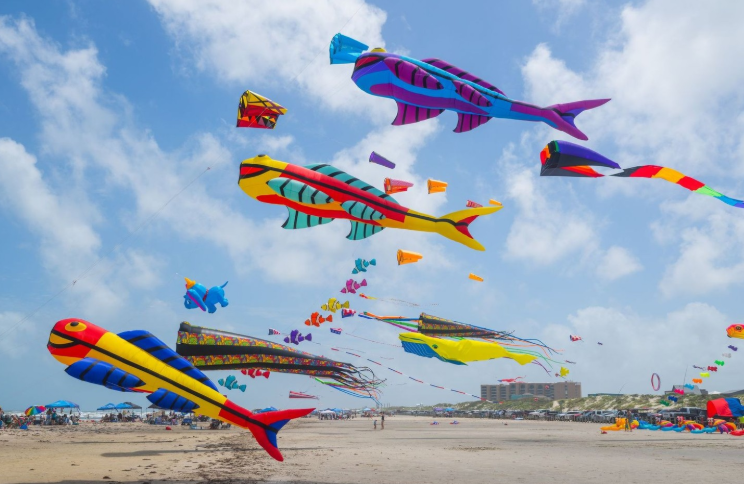
- People celebrate by flying colorful kites from rooftops.
- The sky becomes a sea of vibrant colors.
- Families gather for special foods like undhiyu, chikki, and jalebi.
- The festival continues into the night with bonfires and lights.
- Kite competitions are held across the state, attracting people from many parts of the world.
2. Pongal in Tamil Nadu
- In Tamil Nadu, Makar Sankranti is celebrated as Pongal, a four-day harvest festival.
- Day 1 – Bhogi Pongal: People discard old items and welcome new beginnings.
- Day 2 – Surya Pongal: The main day, dedicated to Sun God, with the special dish Pongal made of rice and milk.
- Day 3 – Mattu Pongal: Cows and bulls are decorated and honored for their help in farming.
- Day 4 – Kaanum Pongal: Families visit relatives and exchange gifts.
3. Lohri in Punjab
- In Punjab, Lohri is celebrated one evening before Makar Sankranti.
- People light large bonfires, dance the bhangra and gidda, and sing folk songs.
- Offerings of sesame, jaggery, and popcorn are made to the fire as a symbol of thanksgiving.
4. Bhogali Bihu in Assam
- In Assam, Makar Sankranti is called Bhogali Bihu or Magh Bihu.
- People build temporary huts of bamboo and leaves.
- They gather around a bonfire, share feasts, and celebrate the end of the harvest.
- The next morning, the huts are burned to mark new beginnings.
5. Khichdi Festival in Uttar Pradesh and Bihar
- In Uttar Pradesh and Bihar, Makar Sankranti is also known as the Khichdi Festival.
- Devotees take holy dips in the Ganga and other sacred rivers.
- They prepare and share khichdi, a dish made of rice and lentils.
- Donations of sesame, blankets, and food are given to the poor.
6. Pedda Panduga in Andhra Pradesh
- In Andhra Pradesh and Telangana, it is celebrated as Pedda Panduga.
- Families clean their homes, decorate entrances with rangoli (muggulu), and cook festive meals.
- The celebrations last for three days, filled with rituals, fairs, and cultural events.
Foods of Makar Sankranti
Food plays a central role in Makar Sankranti celebrations. It connects families, communities, and traditions.
Popular Dishes:
- Tilgul Ladoo: Made from sesame seeds and jaggery, symbolizing sweetness and togetherness. People say, “Tilgul ghya, god god bola,” meaning Eat sesame and jaggery and speak sweetly.
- Pongal: A famous South Indian dish made of rice, jaggery, and milk.
- Khichdi: A simple mix of rice and lentils cooked with spices and ghee.
- Puran Poli: A sweet flatbread filled with lentil and jaggery stuffing.
- Chikki: A hard sweet made from peanuts and jaggery.
- Sugarcane: Eaten raw and enjoyed fresh from the farms.
These dishes represent harvest, health, and happiness. They also connect people through sharing and caring.
Traditional Customs and Rituals
The rituals of Makar Sankranti vary across states, but the spirit remains the same. Here are some common customs observed during the festival:
Morning Rituals
- People wake up early before sunrise.
- They take a holy bath in rivers or ponds.
- Devotees offer prayers to the Sun God, facing the east, with water, flowers, and incense.
Charity and Donations
- Offering to the poor is an important part of this festival.
- People donate sesame (til), blankets, clothes, and cooked food.
- This act of giving is considered very auspicious.
Social Celebrations
- Families gather to share festive meals.
- Colorful rangolis decorate house entrances.
- People exchange sweets and greetings to spread love and harmony.
Cultural and Social Importance
Makar Sankranti is more than a festival — it is a symbol of unity and equality. Across the nation, people of all regions and religions join in celebration. It teaches important life values.
Lessons from Makar Sankranti
- Gratitude: Thank nature for its gifts.
- Renewal: Let go of negativity and start fresh.
- Togetherness: Connect with family and neighbors.
- Hard Work: Respect the labor behind every grain of food.
This festival reminds people that light always follows darkness, and effort always brings reward.
Makar Sankranti and Its Astronomical Significance
From an astronomical view, Makar Sankranti marks an important event — the Sun’s movement into Capricorn (Makara Rashi). This event is known as the Winter Solstice transition in Hindu tradition.
Astronomical Points:
- The Sun starts moving northward — a phase called Uttarayan.
- The days begin to grow longer and warmer.
- It symbolizes hope, prosperity, and the end of cold days.
This movement holds meaning not only for farmers but also for spiritual seekers. It signals new energy and the start of an auspicious time.
Makar Sankranti Beyond Borders
Makar Sankranti is not limited to India. It is also celebrated in Nepal, Bangladesh, and parts of Southeast Asia with equal enthusiasm.
- In Nepal, it is known as Maghe Sankranti, when people take holy baths and prepare traditional foods.
- In Bangladesh, communities celebrate it with fairs, songs, and special rice dishes.
- In Thailand, a similar festival called Songkran marks the movement of the Sun.
These global connections show how nature’s cycles unite humanity beyond borders and religions.
Kite Flying: A Joyful Tradition
One of the most vibrant traditions of Makar Sankranti is kite flying. It’s not just a game; it’s an art, a sport, and a cultural event.
Why Kite Flying Is Special
- The open sky represents freedom and positivity.
- Sunshine during kite flying provides vitamin D, which boosts health after winter.
- It brings people together — families, friends, neighbors — on rooftops.
- Children learn teamwork, and adults relive childhood memories.
In cities like Ahmedabad, Jaipur, and Varanasi, the sky on Makar Sankranti becomes a canvas of colors, joy, and laughter.
Environmental Connection
The festival also spreads a simple yet powerful message: respect nature.
Farmers give thanks to animals, crops, and sunlight. They recognize the balance between humans and the environment. Traditional food items like sesame and jaggery also hold health benefits, offering warmth and strength during winters.
People are now turning toward more eco-friendly celebrations:
- Using paper kites instead of plastic ones.
- Avoiding sharp threads that hurt birds.
- Promoting recycling and clean celebrations.
Modern Celebration of Makar Sankranti
With changing times, Makar Sankranti has adopted new forms. Social media, schools, and offices now host virtual kite contests, online rangoli competitions, and harvest-themed events.
People living abroad still celebrate it with traditional food, music, and prayers, keeping their roots alive.
While the styles may evolve, the spirit of joy, gratitude, and unity remains unchanged.
Interesting Facts About Makar Sankranti
Here are a few fascinating facts about this beautiful festival:
- Makar Sankranti is one of the few Indian festivals based on the solar calendar.
- It marks the beginning of six months of auspicious time (Uttarayan).
- On this day, Nepal observes its biggest holy dip at Devghat.
- The famous Kumbh Mela sometimes starts on Makar Sankranti.
- The festival promotes the message of charity, equality, and peace.
How to Celebrate Makar Sankranti at Home
Want to make your celebration simple and joyful? Here’s an easy step-by-step guide:
- Clean your home and decorate it with rangoli.
- Offer prayers to the Sun God early in the morning.
- Prepare traditional food like tilgul, chikki, or khichdi.
- Fly kites or organize small family games.
- Donate clothes or food to needy people.
- Spend time with family and exchange sweets with neighbors.
Small acts of kindness and joy can make your celebration more meaningful.
Conclusion
Makar Sankranti is not just a festival; it’s a celebration of life, gratitude, and light. It binds India’s diverse culture with a single thread of unity — the Sun.
From kite flying in Gujarat to Pongal feasts in Tamil Nadu, bonfires in Punjab, and river dips in Uttar Pradesh, each celebration carries the same message — thank nature, share joy, and begin anew.
The spirit of Makar Sankranti teaches us to rise, shine, and look forward to brighter days. It reminds us that even after the coldest winter, the Sun always rises again.
