


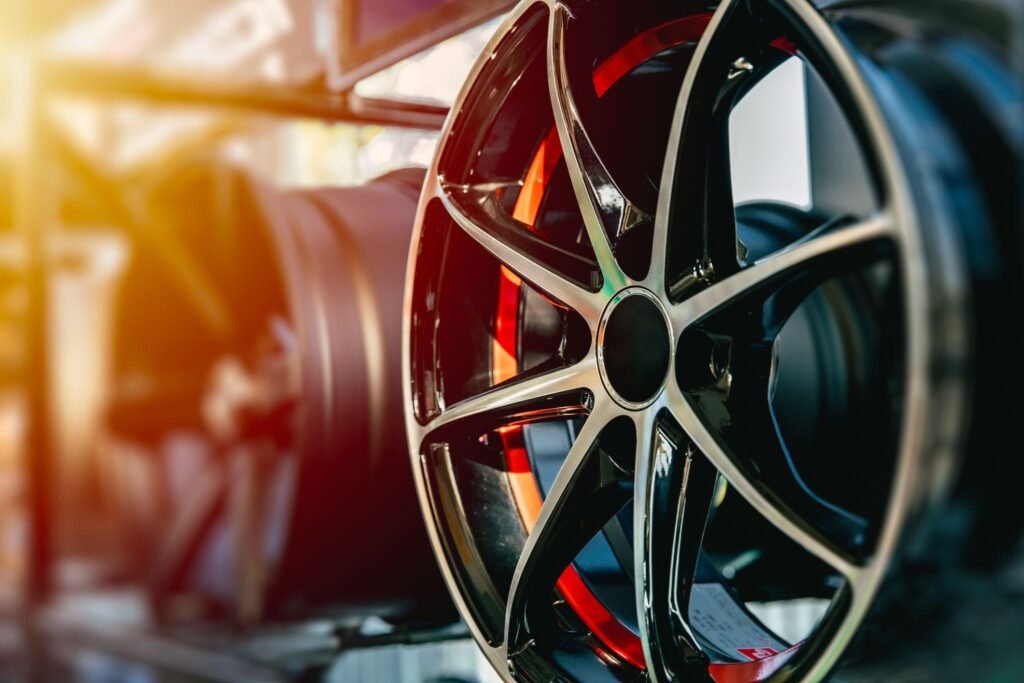
Have you ever stopped to think about how many wheels are in the world? It’s a simple question, but the answer is far from easy. Wheels are everywhere — on cars, bikes, suitcases, toys, office chairs, and even in factories. They make our lives easier and help the world move.
What Is a Wheel?
Before we count them, let’s define what a wheel is.
A wheel is a circular object that turns around an axle. It helps move things from one place to another. Wheels reduce friction, making it easier to carry heavy loads or travel long distances.
Common Features of a Wheel:
- Circular shape
- Made of rubber, plastic, or metal
- Attached to a vehicle or object
- Works with an axle to rotate
Now that we know what a wheel is, let’s find out where they are found.
Where Do We Find Wheels?
Wheels are found in many places. You might think of vehicles first, but wheels are on many everyday items too.
1. Vehicles
This is the most obvious place. Vehicles have wheels to move. Here are some examples:
- Cars: Most cars have 4 wheels.
- Motorcycles: Usually 2 wheels.
- Bicycles: 2 wheels.
- Trucks: 6 to 18 wheels or more.
- Buses: 6 to 10 wheels.
- Trains: Each carriage has multiple wheels.
- Airplanes: Some planes have up to 20 wheels for landing gear.
2. Home and Office Items
- Chairs: Office chairs often have 5 wheels.
- Suitcases: Many have 2 or 4 wheels.
- Toys: Toy cars, action figures, and robots may have several wheels.
- Drawers: Some have tiny wheels for sliding.
- Appliances: Some fridges and dishwashers have small wheels.
3. Industry and Factories
- Conveyor belts: Use small wheels or rollers.
- Machinery: Many machines use wheels to function.
- Robots: Industrial robots often move on wheels.
Wheels are nearly everywhere. So how many are there?
Estimating How Many Wheels Are in the World
It’s hard to give an exact number, but we can make a good estimate by looking at global data.
1. Cars
- There are over 1.5 billion cars in the world.
- Each car has 4 wheels.
- That means 6 billion wheels from cars alone.
2. Trucks and Buses
- Around 400 million trucks and buses exist globally.
- On average, assume 8 wheels each.
- That’s about 3.2 billion wheels.
3. Motorcycles and Bicycles
- Over 2 billion bikes and motorcycles.
- Two wheels each = 4 billion wheels.
4. Office Chairs
- Over 1 billion office chairs worldwide.
- Each has 5 wheels = 5 billion wheels.
5. Toys
- Billions of toy cars exist.
- If there are 5 billion toy cars with 4 wheels, that’s 20 billion wheels.
- Plus other toys with wheels—could be more.
6. Other Items
- Suitcases, carts, trolleys, machinery, drawers, and appliances all add to the count.
- Let’s estimate another 10 billion wheels from these.
Estimated Total Number of Wheels in the World:
| Source | Estimated Count |
|---|---|
| Cars | 6 billion |
| Trucks and Buses | 3.2 billion |
| Motorcycles/Bicycles | 4 billion |
| Office Chairs | 5 billion |
| Toys | 20 billion |
| Other Items | 10 billion |
| Total | ~48.2 billion |
So, how many wheels are in the world? The best estimate is around 48 billion wheels or more. This number grows every day as more products are made.
Wheels vs. Doors Debate
This question became popular on social media: Are there more wheels or more doors in the world?
Let’s consider both sides.
Arguments for More Wheels:
- Every vehicle has wheels.
- Toys often have wheels, not doors.
- Office chairs and suitcases have wheels.
- Wheels are used in machines and industry.
Arguments for More Doors:
- Buildings have many doors.
- Cars have doors too.
- Cabinets, lockers, and appliances have doors.
- Every home has multiple doors.
While the door count is high, the number of wheels may still be greater. Toy cars alone could outnumber real doors. Plus, many wheeled items have no doors.
Why Are Wheels Important?
Wheels are one of the most important inventions in human history. Life would be very different without them.
Key Benefits of Wheels:
- Transportation – Wheels help cars, bikes, and planes move.
- Efficiency – Easier movement saves time and energy.
- Comfort – Rolling items are easier to carry or push.
- Production – Factories rely on wheels in machines and belts.
- Innovation – Wheels are used in robotics and smart devices.
Wheels help the world run — literally!
Fun Facts About Wheels
Want to impress your friends? Check out these fun facts about wheels:
- The oldest wheel discovered is over 5,000 years old.
- Some LEGO sets have more wheels than car companies produce in a year.
- Monster trucks can have wheels taller than a person.
- Airplane wheels are tested to handle over 200 mph landings.
- Shopping carts have 4 to 6 wheels and are used daily by millions.
How Are Wheels Made?
Wheels are made using different materials depending on their use.
Common Wheel Materials:
- Rubber – Cars, bikes, and carts.
- Plastic – Toys, suitcases, and office chairs.
- Metal – Trains, machines, and industrial uses.
Wheel Making Process:
- Design – Engineers plan the shape and size.
- Molding – Materials are shaped into wheels.
- Assembly – Wheels are added to axles or frames.
- Testing – Wheels are tested for strength and safety.
This process ensures that each wheel can carry weight and last a long time.
Will the Number of Wheels Keep Growing?
Yes, the number of wheels in the world will keep rising.
Here’s why:
- More people buy vehicles every year.
- Cities grow, so more buildings and offices need chairs and carts.
- E-commerce means more rolling luggage and delivery tools.
- Smart tech uses wheels for small robots and automation.
- Kids get new toys every day.
As long as we keep building, moving, and innovating, wheels will stay in demand.
Final Thoughts
So, how many wheels are in the world? Our best estimate is around 48 billion wheels — and counting. Wheels are everywhere. They are in vehicles, toys, machines, homes, and offices.
They make life easier and keep the world moving. From the largest truck to the smallest toy, wheels play a key role in daily life.
