


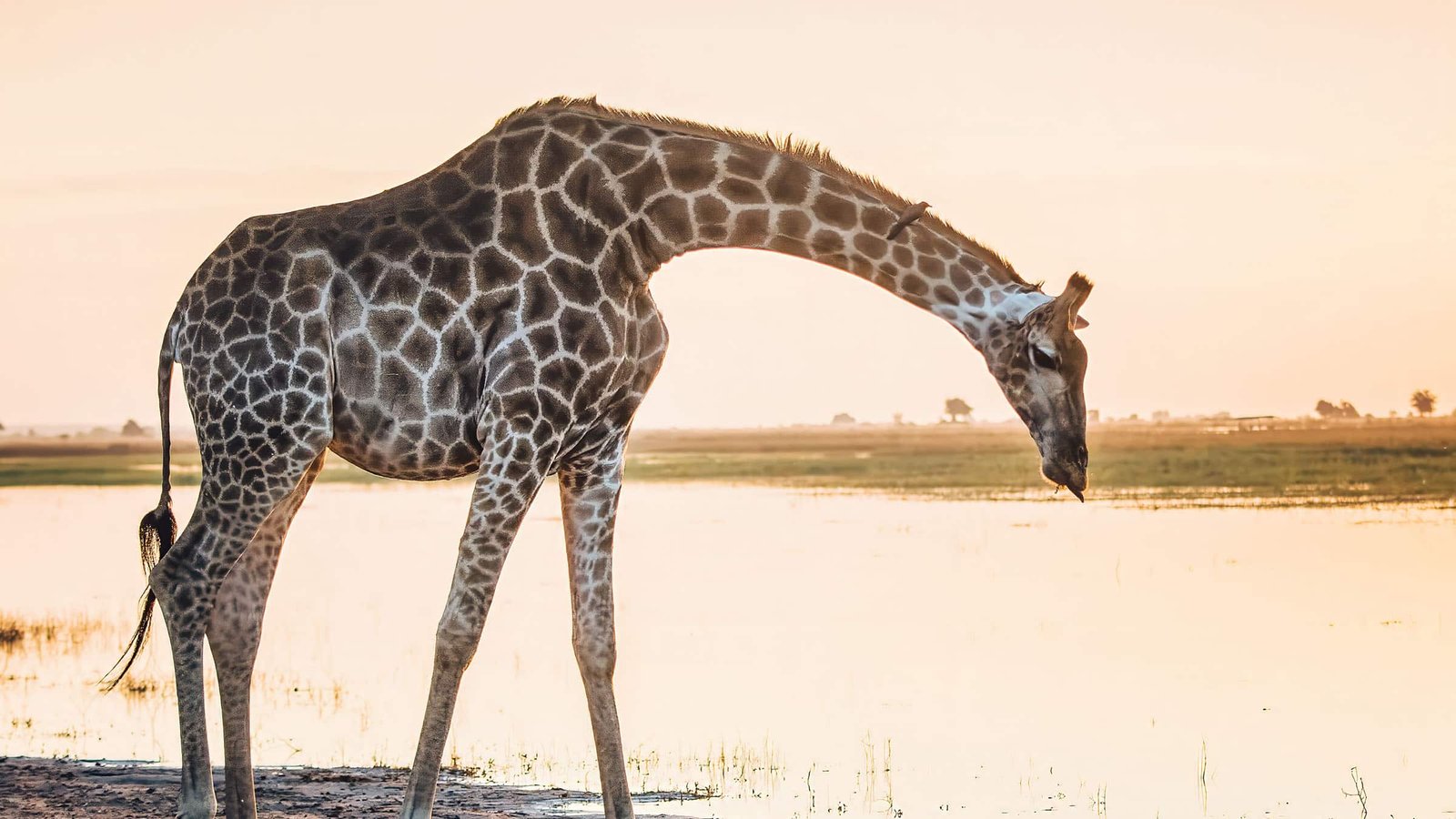
In a heartbreaking decision, the Seneca Park Zoo in Rochester, New York, euthanized a giraffe calf due to serious health issues. The zoo made the announcement in November 2025 after veterinary staff determined that the calf’s condition would not improve. The decision led to strong emotions among animal lovers and sparked important conversations about animal care in zoos.
What Happened at Seneca Park Zoo?
The giraffe calf was born at Seneca Park Zoo in the fall of 2025. Staff and visitors welcomed the birth of the young giraffe with excitement. Giraffe births are rare and often celebrated in zoos.
However, soon after birth, zoo staff noticed health problems:
- The calf showed difficulty standing.
- It struggled to nurse from its mother.
- The calf appeared weak and underweight.
Veterinarians closely monitored the calf around the clock. They provided medical care, feeding assistance, and physical therapy. Despite their efforts, the calf’s condition worsened.
Why Was the Giraffe Calf Euthanized?
After several weeks of treatment, the zoo’s veterinary team made a difficult decision. They had to consider the calf’s quality of life, long-term prognosis, and daily suffering.
Here are the key reasons for the euthanasia decision:
- The calf suffered from severe joint problems. It could not walk or stand properly.
- X-rays showed bone deformities and developmental issues.
- The calf experienced chronic pain, even with medication.
- Experts confirmed the condition was not treatable and would worsen over time.
The zoo released a public statement explaining the decision. They emphasized that their priority was the animal’s well-being and dignity.
What Is Euthanasia in Zoos?
Euthanasia is a medical process used to end an animal’s suffering when recovery is not possible. It is a legal and accepted practice in animal care, though always difficult.
In zoos, euthanasia may happen when:
- An animal has a terminal illness or injury.
- Medical treatment no longer improves quality of life.
- The animal suffers from pain or stress that cannot be managed.
- The animal poses a danger to itself or others due to health or behavior problems.
The staff at Seneca Park Zoo followed ethical guidelines and consulted with outside experts before making the decision.
Public Reaction to the Giraffe Calf’s Death
The news that a giraffe calf was euthanized at Seneca Park Zoo led to an emotional response from the public. Many people expressed sadness, while others had questions and concerns.
Common Public Reactions:
- Sadness and grief: Visitors felt emotionally attached to the calf, even if they had never seen it.
- Anger and confusion: Some questioned why the zoo could not save the animal.
- Support and understanding: Many appreciated the zoo’s honesty and care.
The zoo held a press conference and shared updates on social media. They also provided educational resources to help the public understand the reasons behind their actions.
How Do Zoos Handle Animal Health?
Modern zoos like Seneca Park Zoo follow strict health protocols. They employ veterinarians, animal nutritionists, and behavior specialists to care for animals.
When a baby animal like a giraffe is born, the following steps are taken:
- Health check within hours of birth.
- Monitoring for feeding and bonding behavior.
- Daily medical checks and weight monitoring.
- Intervention if the calf does not develop normally.
Despite these best efforts, not all animals survive. Giraffes in particular can face joint and leg issues when born in captivity. These conditions can be hard to treat, especially in newborn calves.
Why Are Giraffe Births So Risky?
Giraffes are large and delicate animals with special needs at birth. In the wild, giraffes give birth in open savannas where calves can move freely. In zoos, the space is limited, and complications can arise.
Risks of giraffe births in captivity include:
- Falling injuries: Calves drop more than 5 feet during delivery.
- Leg deformities: Long bones are prone to joint issues.
- Nursing problems: Calves must nurse within hours to survive.
- Infections: Newborns are vulnerable to illness without strong immunity.
Even in the best zoos, giraffe births have a high mortality rate. Experts estimate that up to 30% of giraffe calves in captivity do not survive their first year.
What Happens After a Calf Dies?
When a zoo euthanizes an animal, they follow a respectful process. After the giraffe calf was euthanized at Seneca Park Zoo, the staff performed the following steps:
- Necropsy (animal autopsy) to learn more about the calf’s health.
- Grief counseling for staff members who cared for the calf.
- Public statements to inform and educate the community.
- Review of veterinary protocols to improve future care.
The zoo also honored the calf in a private ceremony for staff. Many employees had grown emotionally attached to the baby giraffe.
The Role of Seneca Park Zoo in Animal Conservation
Seneca Park Zoo plays a major role in wildlife conservation. They care for endangered species, educate the public, and support research.
Though the death of the calf was tragic, it does not reflect poor care. In fact, the zoo’s quick action and transparency showed a high level of responsibility.
Contributions of Seneca Park Zoo:
- Part of the Association of Zoos and Aquariums (AZA).
- Supports giraffe conservation programs in Africa.
- Provides educational programs for schools and families.
- Participates in Species Survival Plans (SSPs) for giraffes and other animals.
By sharing the story of the giraffe calf, the zoo hopes to raise awareness about both the challenges and importance of animal care in captivity.
What Can the Public Learn From This?
The story of the giraffe calf euthanized at Seneca Park Zoo teaches us important lessons:
- Animal care is complex and emotional.
- Not all health problems can be fixed.
- Euthanasia is sometimes the kindest choice.
- Zoos are transparent when things go wrong.
- Supporting conservation efforts can make a difference.
If you care about animals, you can help by:
- Visiting ethical zoos and learning about wildlife.
- Supporting giraffe conservation programs.
- Teaching others about responsible animal care.
Conclusion: A Sad Loss With a Purpose
The decision to euthanize the giraffe calf at Seneca Park Zoo was heartbreaking but necessary. The zoo staff did everything they could to save the calf. When it became clear that the calf was in pain and had no future quality of life, they made a humane decision.
This event reminds us that working with animals includes both joy and sorrow. It also shows the deep care and professionalism of the zoo staff. While the calf’s life was short, it left a lasting impact on those who worked to save it and those who learned from its story.
Frequently Asked Questions (FAQs)
1. Why was the giraffe calf euthanized at Seneca Park Zoo?
The calf had severe health problems, including joint deformities and chronic pain. Veterinarians determined the calf could not recover and chose euthanasia to end its suffering.
2. Was the zoo at fault for the calf’s condition?
No. The zoo followed best practices for animal care. Some health issues in giraffes are genetic or congenital and cannot be prevented.
3. How does the zoo decide when to euthanize an animal?
Zoo veterinarians use medical data, expert consultations, and ethical guidelines. The goal is always to prevent unnecessary suffering.
4. What happens to the animal’s body?
A necropsy is performed to study the cause of death. Parts may be used for research or education. The rest is handled respectfully, sometimes through cremation.
5. How can I support animal welfare?
Visit accredited zoos, donate to wildlife conservation, and share accurate information about animal care.
Final Thoughts
The phrase “giraffe calf euthanized Seneca Park Zoo“ may sound harsh, but the story behind it is one of compassion, science, and responsibility. The staff acted with love and care, even when it meant making a painful choice.
As the zoo community mourns this loss, it also moves forward with greater knowledge and commitment to saving more lives in the future.
