


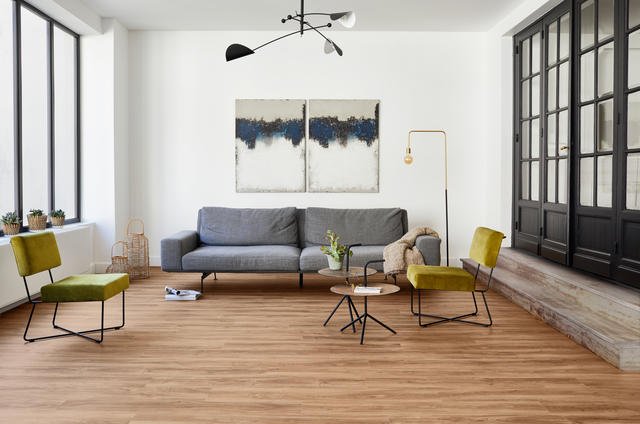
Vinyl flooring has often been associated with kitchens, bathrooms, and other areas where durability and easy cleaning are essential. However, in recent years, this versatile flooring option has grown in popularity for use in living rooms across the UK. Homeowners who once considered vinyl only for practical spaces are now drawn to its style, comfort, and affordability. The question many people are asking is whether vinyl flooring can truly be used in the living room, and if so, what benefits and drawbacks it brings.
Why vinyl flooring is gaining popularity in UK homes
Vinyl flooring has evolved significantly from the dated patterns and thin sheets people may remember from decades ago. Today’s products include luxury vinyl tiles and planks that mimic natural materials with incredible accuracy. For UK homeowners looking to balance practicality with style, this modern version of vinyl is appealing because it offers the look of wood, stone, or ceramic while being far easier to maintain.
One reason vinyl has become so popular is its affordability compared with hardwood or engineered wood flooring. Many people want the warmth and elegance of oak or walnut in their living room, but the cost can be prohibitive. Vinyl flooring provides a similar aesthetic at a fraction of the price, making it accessible for families renovating on a budget.
Another factor is its suitability for busy households. Living rooms are high-traffic spaces where children play, pets wander, and furniture is moved around. Vinyl flooring is resilient against scratches, dents, and scuffs, which makes it an excellent option for those who do not want to worry about constant upkeep.
The benefits of vinyl flooring in a living room
One of the biggest advantages of vinyl flooring is its durability. Unlike carpets that wear down over time or wooden floors that can mark easily, vinyl maintains its appearance even with daily use. For households that experience muddy boots, dropped toys, or frequent gatherings, this resilience is invaluable.
Comfort is another strong point. Many people imagine vinyl to be hard and cold underfoot, but the reality is different. Vinyl has a slightly softer feel than stone or tile, and when paired with the right underlay, it provides a cushioned surface that is pleasant to walk on. This makes it particularly appealing in living rooms where comfort matters most.
Vinyl flooring is also water-resistant, which may not seem immediately necessary in a living room but can make a difference in homes with young children or pets. Spills are inevitable in family life, whether from a knocked-over drink or muddy paws, and vinyl can handle these incidents without permanent damage.
From a design perspective, the range of finishes available makes vinyl incredibly flexible. You can choose styles that resemble hardwood planks, rustic stone, or contemporary concrete. This means whatever the design theme of your living room, there will be a vinyl option to complement it.
Comparing vinyl to other flooring options
When considering flooring for a living room, many UK homeowners traditionally look at carpet, laminate, hardwood, or engineered wood. Each of these has its own merits, but vinyl can compete with all of them in unique ways.
Compared with carpet, vinyl is far easier to clean. Living rooms are often places where food and drinks are consumed, and spills on carpet can leave permanent marks. Vinyl, by contrast, can simply be wiped clean. On the other hand, carpet has the advantage of warmth and cosiness, which is why some people choose to add a large rug on top of vinyl flooring to achieve the best of both worlds.
Against laminate, vinyl is often more durable and quieter underfoot. Laminate can suffer from swelling if exposed to moisture, while vinyl’s water-resistant properties make it more robust. Hardwood is still seen as the premium option, but the price difference can be vast, and the maintenance requirements are much greater.
How vinyl flooring enhances modern living room design
Interior design trends in the UK often revolve around creating spaces that are both stylish and practical. Vinyl flooring fits neatly into this concept because it offers a balance of beauty and ease of care. The living room is the heart of the home, where people gather for relaxation, entertainment, and socialising. Having a floor that contributes to the atmosphere while remaining functional is important.
For modern interiors, vinyl planks that resemble natural oak or grey-toned wood are particularly popular. They add warmth and texture while complementing contemporary furniture and minimalist colour schemes. For more traditional homes, vinyl that imitates rich hardwoods or patterned tiles can create a timeless aesthetic. The ability to choose from such a wide variety of looks allows homeowners to personalise their space without compromise.
Another element to consider is the way vinyl flooring interacts with lighting. Natural light streaming into a living room can highlight the realistic grains and patterns found in vinyl planks, enhancing the illusion of real wood or stone. With the right décor, it becomes difficult to tell the difference between vinyl and more expensive flooring materials.
Practical considerations for living rooms with vinyl flooring
While vinyl flooring offers many advantages, it is still important to consider practical details before making a decision. Installation is one factor that UK homeowners value, and vinyl is generally straightforward to lay. Options include click-lock systems for planks and tiles, or glue-down methods for sheet vinyl. Both are achievable for professional installers and even enthusiastic DIYers with the right preparation.
Another practical point is underfloor heating. Many modern homes in the UK now feature underfloor heating systems, and vinyl flooring is compatible with them as long as the correct installation process is followed. This means you can enjoy the warmth of radiant heating while maintaining the stylish appearance of your vinyl floor.
Maintenance is relatively simple compared to other flooring types. Regular sweeping or vacuuming combined with occasional mopping keeps vinyl looking fresh. Unlike wood, there is no need for polishing or refinishing, which saves both time and money in the long term.
Vinyl flooring and family life
For families, the living room is often the busiest space in the house. It may double up as a playroom, a homework station, or even a home office. Vinyl flooring is particularly suited to this level of use because it withstands heavy activity without losing its appeal. Parents often appreciate the peace of mind that comes with knowing that dropped paint, spilled juice, or scuffed trainers will not ruin the floor.
Pets also play a role in flooring decisions. Dogs and cats can scratch surfaces or bring dirt into the home, which makes carpets and wooden floors more challenging to maintain. Vinyl is scratch-resistant and easy to clean, which means pet owners can spend less time worrying about damage and more time enjoying their living space.
The environmental question
As with many home improvement choices today, UK homeowners are increasingly conscious of the environmental impact of materials. Vinyl flooring is manufactured from synthetic materials, which raises questions about sustainability. However, many modern vinyl products are now designed with eco-friendly processes, including reduced emissions during production and recyclability at the end of their life cycle.
It is also worth noting that the durability of vinyl contributes indirectly to sustainability. Because it lasts for many years without needing replacement, there is less waste generated compared with flooring options that wear out quickly. For environmentally conscious homeowners, it is always worth checking the credentials of the manufacturer to ensure the flooring meets current standards for sustainability.
Style longevity and changing trends
One concern some people have about vinyl is whether it will go out of style. While it is true that older vinyl designs became outdated quickly, today’s products are made to closely replicate timeless natural materials. A well-chosen vinyl floor can look as fresh in ten years as it does on the day it is laid.
Interior trends in the UK are currently leaning towards natural tones, greys, and warm wood effects, all of which are well represented in vinyl collections. Because the living room is such an important space for family life and entertaining guests, selecting a style that will remain appealing over the years is key. Vinyl offers enough variety that you can find something that matches both your personal taste and the longevity of broader design trends.
Cost considerations for UK homeowners
Budget is always a significant factor when deciding on new flooring. Vinyl flooring sits in a comfortable middle ground where it is more affordable than hardwood or stone but often slightly more expensive than basic laminates. For many people, this makes it a practical choice that delivers style without overspending.
The cost of installation is also usually lower than with natural materials. Vinyl planks and tiles are designed to be easy to fit, which reduces labour costs. This affordability means that homeowners can often afford to renovate larger spaces or invest in higher quality furniture and décor to complete their living room transformation.
Vinyl flooring in different types of living rooms
The type of property you live in can influence whether vinyl flooring is the right choice for your living room. In modern new-build homes, vinyl fits well with contemporary layouts and open-plan living spaces. Its clean lines and practical surface make it ideal for blending living areas with kitchens or dining rooms.
In older properties, vinyl can be chosen to replicate traditional materials like stone or dark wood, allowing you to maintain the character of the home while enjoying modern practicality. For small flats or apartments, vinyl offers an affordable and stylish solution that maximises the feeling of space without the bulk of heavy carpet.
Even in luxury properties, high-end vinyl products are increasingly popular. They allow homeowners to enjoy the look of premium flooring without the concerns of upkeep, making them a smart choice for busy professionals and families alike.
