


Biology is the science that studies life and living organisms. It helps us understand how life works, from the smallest cells to complex ecosystems. Every living thing, from bacteria to humans, follows biological principles. Scientists study biology to learn about genetics, evolution, and the environment.
This article explores the key branches of biology, the importance of biology in daily life, and exciting discoveries in the field.
What Is Biology?
Biology comes from the Greek words bios (life) and logos (study). It is the scientific study of life, covering structure, function, growth, origin, evolution, and distribution of living organisms. Biologists ask questions like:
- How do cells function?
- Why do animals and plants evolve?
- How do genes control traits?
- What is the impact of human activities on nature?
Biology is a vast field with many branches, each focusing on different aspects of life.
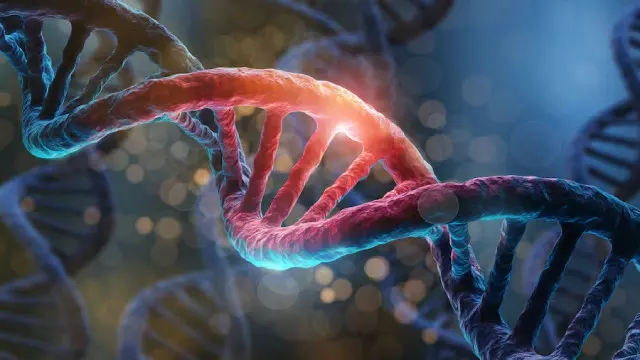
Major Branches of Biology
Biology is divided into several fields that focus on different aspects of life. Some of the most important branches include:
1. Cell Biology
Cell biology studies the structure and function of cells. All living things are made of cells, which are the basic units of life. Scientists study how cells grow, divide, and communicate. This knowledge helps in medicine, especially in cancer research.
2. Genetics
Genetics is the study of genes and heredity. It explains how traits pass from parents to offspring. Scientists use genetics to understand diseases, improve crops, and develop new medicines. DNA research has led to breakthroughs in gene therapy and genetic engineering.
3. Ecology
Ecology studies how living things interact with their environment. It focuses on ecosystems, food chains, and biodiversity. Ecologists study climate change, pollution, and conservation efforts to protect endangered species.
4. Microbiology
Microbiology studies tiny organisms like bacteria, viruses, fungi, and protozoa. These microbes play a role in health, disease, and the environment. Microbiologists develop antibiotics, vaccines, and probiotics to fight infections.
5. Human Biology
Human biology focuses on the human body, its organs, and systems. It covers topics such as anatomy, physiology, and diseases. Doctors and medical researchers use human biology to develop treatments and improve healthcare.
Importance of Biology in Daily Life
Biology plays a vital role in everyday life. It helps us understand the world and improve our quality of life. Here are some key ways biology impacts us:

1. Medicine and Healthcare
Doctors and researchers use biology to develop vaccines, medicines, and treatments for diseases. Biology helps in organ transplants, genetic testing, and disease prevention.
2. Food and Agriculture
Biologists improve crops through genetic modification and selective breeding. They study soil, pests, and plant diseases to increase food production and ensure food security.
3. Environmental Conservation
Biologists study ecosystems, pollution, and climate change. Their research helps protect endangered species, conserve forests, and reduce pollution.
4. Biotechnology
Biotechnology uses biological processes to create useful products. Scientists develop biofuels, biodegradable plastics, and medical treatments using genetic engineering.
5. Forensic Science
Forensic biologists use DNA analysis to solve crimes. They examine blood, hair, and other biological evidence to identify suspects and victims.
Exciting Discoveries in Biology
Biology is constantly evolving with new discoveries. Some recent breakthroughs include:
- CRISPR Gene Editing – Scientists can now edit genes to treat genetic diseases.
- Artificial Organs – Researchers develop lab-grown organs for transplants.
- Deep-Sea Life – New species are discovered in the deep ocean, revealing unknown ecosystems.
- Microbiome Research – Studies show how gut bacteria affect health and immunity.
- Climate Adaptation – Scientists study how animals and plants adapt to climate change.

The Future of Biology
Biology continues to advance, offering solutions to global challenges. Future research may lead to:
- Cures for genetic disorders and cancer
- Sustainable farming methods to feed a growing population
- New energy sources from biological processes
- Better conservation strategies for endangered species
The future of biology is exciting, with endless possibilities for discovery and innovation.
Conclusion
Biology is the study of life, helping us understand living organisms and their interactions. It plays a crucial role in medicine, agriculture, and environmental conservation. With new discoveries and advancements, biology continues to shape the future of science and technology.
By studying biology, we learn how life works and how to protect it. Whether in healthcare, research, or daily life, biology is an essential part of our world.

