


London is a city of history, culture, and unpredictable skies. Whether you plan a short visit or a long stay, understanding the London weather helps you pack right and plan better. This guide gives you a clear picture of London’s climate throughout the year.
Quick Overview of London Weather
London’s weather changes often. One moment the sun shines, and the next, it may drizzle. The city has four seasons: spring, summer, autumn, and winter. Each season brings different temperatures, rainfall, and daylight hours.
Key facts about London weather:
- London has a temperate maritime climate.
- Rain is common but usually light and short.
- Summers are mild; winters are cool but not very cold.
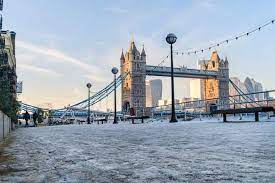
- Snow is rare but possible in winter.
London Weather by Season
Let’s break down London’s weather by season to help you plan your trip.
1. Spring (March to May)
Spring in London starts cool but becomes warmer by May. Flowers bloom, and the parks look beautiful.
Average temperatures:
- March: 6°C to 12°C
- April: 8°C to 15°C
- May: 11°C to 18°C
What to expect:
- Light rain showers
- Longer daylight hours
- Fresh breeze, especially in the mornings
What to pack:
- Light jackets
- Umbrella or raincoat
- Layered clothing
2. Summer (June to August)
Summer is London’s warmest season. It’s also the most popular time for tourists.
Average temperatures:
- June: 14°C to 21°C
- July: 16°C to 24°C
- August: 16°C to 23°C
What to expect:
- Sunny days with occasional rain
- Longer days (sunset after 9 PM in June)
- Parks and outdoor cafés full of life
What to pack:
- T-shirts and light pants
- Sunglasses and sunscreen
- A light sweater for cooler evenings
3. Autumn (September to November)
Autumn brings falling leaves and a drop in temperature. The weather feels more unpredictable.
Average temperatures:
- September: 13°C to 20°C
- October: 10°C to 16°C
- November: 6°C to 12°C
What to expect:
- More rain
- Shorter days
- Chilly evenings
What to pack:
- Waterproof coat
- Scarf and closed shoes
- Warm layers
4. Winter (December to February)
Winter in London is cold but not freezing. Snow happens sometimes but melts fast.
Average temperatures:
- December: 4°C to 9°C
- January: 3°C to 8°C
- February: 3°C to 9°C
What to expect:
- Short daylight hours (sunset before 4 PM)
- Cold winds
- Wet pavements
What to pack:
- Heavy coat
- Gloves and hat
- Waterproof boots
Monthly Breakdown of London Weather
Here’s a quick reference to help you see how the weather changes month by month:
| Month | Avg Temp (°C) | Rainy Days | Notes |
|---|---|---|---|
| January | 3–8 | 10 | Coldest month |
| February | 3–9 | 9 | Still cold, slight warming |
| March | 6–12 | 9 | Flowers bloom |
| April | 8–15 | 10 | Light rain, sunny spells |
| May | 11–18 | 9 | Pleasant and mild |
| June | 14–21 | 8 | Warm days, long evenings |
| July | 16–24 | 7 | Warmest month |
| August | 16–23 | 8 | Sunny with some rain |
| September | 13–20 | 8 | Cooler, start of autumn |
| October | 10–16 | 10 | Leaves fall, more rain |
| November | 6–12 | 10 | Darker, colder |
| December | 4–9 | 10 | Festive and chilly |
Tips for Dealing with London Weather
The key to enjoying London is to prepare for anything. Here are some tips that locals follow:
Always Carry an Umbrella
Rain can fall at any time. A small travel umbrella or a foldable raincoat is useful.
Dress in Layers
Temperatures can change during the day. Layers help you stay comfortable.
Check the Forecast
Use apps like BBC Weather or AccuWeather. They give hourly updates that help you plan.
Wear Comfortable Shoes
London is a walking city. Choose closed shoes, especially in rain or cold.
How London Weather Affects Daily Life
Londoners are used to the changing weather. They do not stop their plans because of a little rain. Cafés offer outdoor seating with heaters. Parks remain full of joggers even in winter.
Some ways weather shapes life in London:
- People carry umbrellas in their bags.
- Pubs and restaurants have indoor and outdoor seating.
- Events go on, rain or shine.
- Public transport stays reliable in all seasons.
Best Time to Visit London Based on Weather
If you want the best weather, late spring and early summer are ideal. May to July offer the most comfortable mix of sunshine, mild temperatures, and long days.
Want fewer crowds? Try September. It’s cooler but lovely. Winter brings charm during Christmas, but it’s colder and wetter.
How London Weather Affects Attractions
Most of London’s top attractions are open year-round. Still, weather may change how you enjoy them.
Good for all weather:
- British Museum
- Natural History Museum
- The London Eye (cabins are enclosed)
- West End Theatres
Best in sunshine:
- Hyde Park
- River Thames cruises
- Buckingham Palace changing of the guards
- Camden Market
Tips:
- Try indoor spots when it rains.
- Book flexible tickets where possible.
Fun Facts About London Weather
Here are some quick, fun facts you may not know:
- London gets less rain per year than New York City or Rome.
- The famous foggy London image comes from the past, when coal smoke caused thick smog.
- The Thames River’s temperature helps keep the city’s climate mild.
- Snow days are rare, but when it snows, many schools and offices close.
Local Voices: What Londoners Say About the Weather
Here’s what some locals say about London weather:
“You can see all four seasons in one day. I never leave home without my umbrella.”
— Emily, student, South London
“Winters are not harsh, but they feel long because of the dark days.”
— James, office worker, East London
“I love spring here. The parks are full of color, and walking outside feels great.”
— Priya, artist, West London
Final Thoughts on London Weather
The London weather may seem tricky at first, but it adds to the city’s charm. Whether you’re walking through a sunny park or ducking into a warm café during a drizzle, the weather becomes part of your London story. Just dress smart, plan ahead, and enjoy the beauty of this world-class city in every season.
