


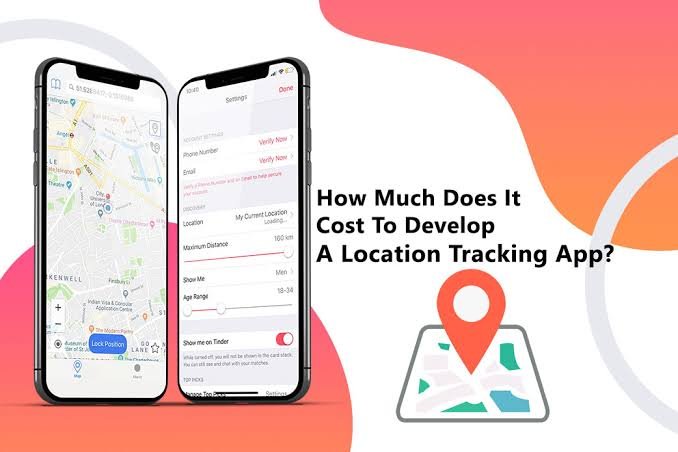
Mobile apps have become an integral part of modern businesses, helping connect users to products, services, and information with just a tap.
One of the most in-demand features is location services, which enhance user experiences by enabling functionalities like real-time tracking, navigation, local recommendations, or proximity-based offers.
If you’re considering building a mobile app with location services, a key question is: “How much will it cost?” While the short answer is “it depends”, this article dives into the major factors that influence the cost and provides insights to help you plan your budget effectively.
Let’s explore everything that goes into developing an app equipped with location-based features.
What Are Location Services in Mobile Apps?
Location services use GPS, Wi-Fi, Bluetooth, or cellular data to determine a user’s geographical location. This data can be utilized for various functions like:
- Navigation & Maps: Real-time tracking for transportation or delivery apps like Google Maps or Uber.
- Local Recommendations: Suggestions based on user location for apps like Yelp or TripAdvisor.
- Geofencing: Sending notifications or offers when users enter a defined location.
- Fitness Tracking: Monitoring movement and routes in apps like Strava or Fitbit.
- Emergency Assistance: Pinpointing location in security or healthcare apps.
Integrating such features adds significant value for businesses and enhances user engagement, making apps indispensable for end-users.
Factors That Influence the Cost of Building a Location-Based App
When estimating costs, it’s important to consider several factors that influence the development process:
1. App Complexity and Feature Set
The more advanced the features, the higher the cost. Common location-based features include:
- Basic Location Integration: Simple tracking using device GPS.
- Real-Time Location Updates: Live tracking in delivery or ride-hailing apps.
- Route Optimization: Showing the fastest route based on traffic data.
- Geofencing: Notifications triggered based on user location.
Simple apps with basic location features may cost less, while those requiring complex, real-time functionalities will increase the cost significantly.
2. Platform Choice: iOS, Android, or Both
Your choice of platform (iOS, Android, or cross-platform) influences overall costs. Developing for both platforms simultaneously involves higher investment but ensures broader reach.
- Native development: Separate apps for iOS and Android require more time and resources.
- Cross-platform frameworks: Tools like Flutter or React Native help reduce costs while maintaining functionality across platforms.
3. Technology Stack
Using the right technologies ensures efficient integration of location services. Development may involve:
- APIs like Google Maps, Mapbox, or Apple Maps for integrating location features.
- Backend technologies (Node.js, Python, etc.) for data processing and storage.
- Databases (PostgreSQL, MongoDB) to store user location data securely.
Opting for cutting-edge tools may slightly increase costs but ensures seamless performance.
4. UI/UX Design
Design plays a crucial role in delivering location-based features intuitively. Simple, clean layouts with interactive maps and real-time visuals often require detailed design work, adding to development costs.
5. Development Team and Location
The location and experience of the development team also influence costs:
- North America & Western Europe: Rates typically range from $80–$150/hr.
- Eastern Europe & South Asia: Rates are lower, around $30–$50/hr, while still offering quality.
You need a team that includes:
- Project Manager
- Front-end and Back-end Developers
- UI/UX Designers
- QA Engineers
Hiring experienced professionals ensures on-time delivery and functional excellence.
Cost Estimation for Location-Based Apps
Now that we’ve explored the factors, let’s break down the estimated costs for different types of apps:
- Basic Location-Based App:
- Features: Static maps, location pinning, basic search.
- Estimated Cost: $10,000–$20,000
- Moderately Complex App:
- Features: Real-time location tracking, geofencing, basic push notifications.
- Estimated Cost: $20,000–$50,000
- Complex Location-Driven App:
- Features: Route optimization, dynamic mapping, real-time updates, user location histories, and geofencing with notifications.
- Estimated Cost: $50,000–$150,000+
Each app’s unique requirements will ultimately determine where it falls in this price range. It’s always a good idea to consult experts for a tailored estimate.
How to Optimize Costs Without Sacrificing Quality
Building a location-enabled app doesn’t have to break the bank if you take strategic steps:
- Start with an MVP: Launch a minimal viable product with essential features and expand later based on user feedback.
- Choose the Right Tech Stack: Selecting efficient tools and APIs can reduce unnecessary expenses.
- Hire an Experienced Partner: A seasoned app development company helps optimize costs while ensuring quality development.
A reliable technology partner understands both cost-saving and feature-rich development, offering sustainable results.
Why Partnering with Experts Matters
Developing an app with location services requires a thoughtful approach, combining technical expertise, functional design, and seamless performance. Reliable partners like Devsinc, known for their top-tier mobile app development services in USA, ensure your app meets industry standards with robust location-based solutions.
With years of experience delivering scalable apps, Devsinc helps businesses incorporate user-friendly GPS integrations, real-time tracking, and performance-optimized solutions—tailored specifically to drive growth and user satisfaction.
Conclusion: Plan Smart and Invest Wisely
The cost of developing an app with location services depends on the scope, complexity, and features required.
By understanding your project needs, selecting the right team, and implementing a scalable development plan, you can deliver a high-performing app that meets user demands and business goals.
Investing in location-based applications is a powerful step toward engaging customers, improving operational efficiency, and driving revenue.
By partnering with experienced professionals, you not only optimize your investment but also ensure the creation of an app that stands out in a competitive market.
Whether you’re building a simple map-based app or a sophisticated location-driven platform, the key is aligning your vision with expertise.
With careful planning and the right partners, the possibilities for business growth are endless.
Stay in touch to get more updates & news on guestmagazines.co.uk!
