


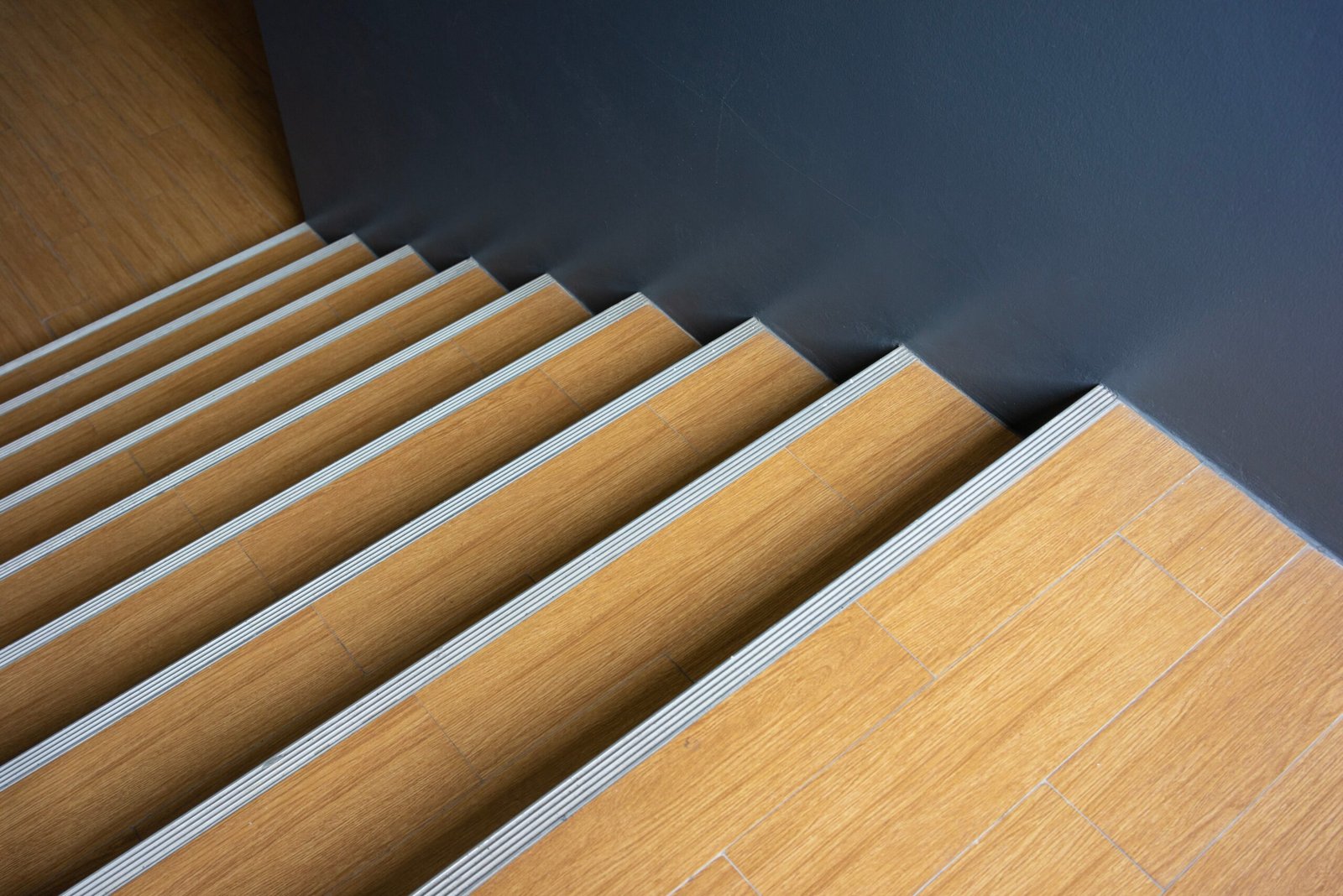
When installing a new staircase or renovating an old one, you may wonder whether oak stair nosing is an essential part to add and whether it is a legal necessity.
The team at Stair Crazy explores whether oak stair nosing is a must-have on your stairs and the benefits of installing it.
So keep reading to find out more!
What is oak stair nosing?
Crafted from sturdy oak, oak stair nosing are horizontal stair parts that cover the edge of your steps, protecting the meeting point between the treads and risers. They offer several unique advantages to homes, which we’ll explore further on!
Is stair nosing a legal requirement?
In commercial settings such as schools, department stores and hospitals, UK building regulations state that stair nosing is required for safety reasons.
The nosing must ‘visually contrast’ with the rest of the step, be a minimum of 55cm wide, and protrude no more than 25mm above the tread below.
This is why you tend to see bright yellow nosing on stairs in commercial and industrial settings.
However, it’s not a legal requirement in homes, although there are plenty of beneficial reasons to install oak nosing, which we explore below!
What are the benefits of installing oak stair nosing?
When we talk about stair nosing in homes, we aren’t referring to the bright yellow strips seen in public buildings – instead, we mean solid oak nosing that blends seamlessly into existing oak staircases.
Here are its advantages:
1. Oak stair nosing can make your stairs safer
The most important benefit of stair nosing is that it will make your staircase much safer to use.
As stair nosing tends to overhang slightly, it creates a larger step, providing more surface area for individuals to stand on and making it much more visible.
This helps to lower the chances of missteps and falls – with this in mind, oak stair nosing is exceedingly beneficial for elderly stair users who may already struggle to see where they’re stepping whilst moving up and down flights of stairs.
2. Stair nosing provides additional protection to your steps
Your stairs are one of the biggest hotspots in your home for high foot traffic. Think about how many times you’re up and down the apples and pears per day, and then combine it with the rest of the people (and pets) you live with.
With this in mind, even the most hardy stair parts will experience general wear and tear as a result of frequent use. Heavy footsteps can even cause impact damage, whilst scuffs and scratches may occur naturally over the years.
But with oak stair nosing, you can help protect your expensive treads from general wear as these additional installations take the brunt of the foot traffic.
3. They’re easy to replace if damage occurs
If significant damage occurs, or scuffs and scratches have started to impact the aesthetic of your staircase, you can easily remove your old oak nosing and replace it efficiently.
Switching out stair nosing is much less of an expense than replacing your treads and risers – not to mention being less hassle!
Is oak stair nosing worth it?
It’s worthwhile investing in oak stair nosing given their significant benefits.
Although they’re an additional cost, they could prevent you from having to replace expensive treads and risers later.
Plus, you can never truly put a price on safety! So it makes incredible sense to install oak stair nosing to protect both your stairs from damage and your family from potential accidents.
