


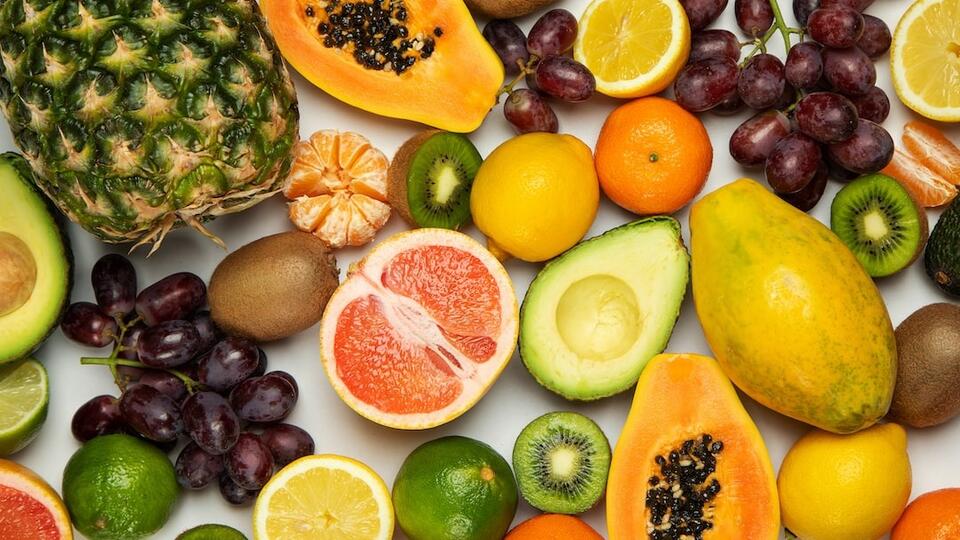
Most of us have been conditioned to peel the outer layers of fruits and vegetables before eating them. While peeling removes potential risks from pesticide residues or dirt, it also strips away significant nutrients. Did you know that fruit and vegetable peels are powerhouses of vitamins, minerals, antioxidants, and fiber? Read on to discover the nutritional benefits of consuming the peels and why you should consider eating them.
Nutritional Benefits of Fruit and Vegetable Peels
Vitamins and Minerals
Fruit and vegetable peels are packed with vitamins and minerals, contributing to good health. Here are some essential nutrients found in high amounts in peels:
- Fiber: Peels are excellent sources of both soluble and insoluble fiber. Fiber keeps you full for longer and aids digestion. The peels of apples, pears, carrots, and sweet potatoes are exceptionally high in fiber.
- Vitamin C: Citrus peels, like oranges and lemons, contain 2-3 times more vitamin C than flesh. Bell pepper, kiwi, and tomato peels also provide significant vitamin C. This antioxidant supports immune function and collagen production.
- Potassium: Bananas, sweet potato, and tomato peels are rich in potassium and essential for nerve function and heart health. Potassium reduces the adverse effects of sodium.
- Vitamin K: Kale, broccoli, and cabbage peels are loaded with vitamin K, essential for blood clotting and bone health. Deficiency can increase the risk of excessive bleeding.
- Phytonutrients: Peels contain antioxidants like carotenoids, flavonoids, and anti-inflammatory compounds not found in high amounts in the flesh. These protect cells from damage. Carrot, pumpkin, and grape peels stand out.
- Fiber
Fruit and vegetable peels are a treasure trove of fiber. Here are some key points about the fiber content:
- Soluble fiber: Dissolves in water to form a gel-like texture and helps regulate blood sugar and cholesterol levels. Found in citrus peels, banana peels, and apple peels.
- Insoluble fiber: Does not dissolve in water and adds bulk to stools for regular bowel movements. It prevents constipation and reduces the risks of colon cancer. It is found in banana, carrot, and sweet potato peels.
- Both types of fiber are filling and contribute to weight control by keeping you feeling full for longer. They also promote the growth of healthy gut bacteria.
- The recommended daily fiber intake is 25-30 grams, but most consume only half that amount. Eating peels is an easy way to up your fiber.
wellhealthorganic.com:eat your peels: unlocking the nutritional benefits
Antioxidants and Other Benefits
Fruit and veggie peels are packed with antioxidants that protect cells from free radical damage:
- Carotenoids like beta-carotene and lycopene – found in pumpkin, carrot, and sweet potato peels fight oxidation and may reduce cancer risk.
- Flavonoids like anthocyanins – found in cabbage, red grapes, and berries lower inflammation and risk of chronic diseases.
- Ellagic acid – found in strawberries and raspberries- reduces heart disease risk.
- Citrus peels have aromatic compounds like limonene and naringin that are calming and may boost mood.
- Peels may help detoxify the body by supporting phase 2 liver detoxification. They stimulate bile production, which emulsifies and removes toxins.
Eating peels rather than discarding them gives you a dose of vitamins, minerals, fiber, antioxidants, and other protective plant compounds. This can boost overall health and help prevent deficiencies and chronic illness.
Tips for Incorporating Peels into Your Diet
Now that you know the fantastic nutritional value of fruit and veggie peels, here are some ideas on how to quickly eat them:
- Use carrot and zucchini peels to add texture and nutrients to soups, stews, or smoothies—no need to peel before grating or slicing thinly.
- Bake sweet potato or pumpkin peels into chips or fries for a crunchy snack high in fiber, potassium, and antioxidants. Toss with herbs and spices.
- Blend citrus and banana peels into green smoothies or juices for an extra antioxidant punch. Remove any bitter white pith first.
- Add shredded or julienned kiwi, mango, and papaya peels to salads, yogurt, or overnight oats for visual appeal and nutrients.
- Grate cauliflower, cabbage, and broccoli peel into sautees, curries, or pasta instead of discarding them.
- Roast potato peels, turnip greens, beet stems and enjoy as a side dish or snack rather than wasting.
- For portable snacks, eat apple and pear peels raw with nut butter or cheese.
- Use nutrient-packed citrus peels in baked goods like zesting lemon on cookies or making sweet orange peel candy.
The key is to cook or prepare peels to enhance their natural textures and flavors rather than ruin them. With a bit of creativity, peels are pretty delicious to eat! Start by choosing one or two peels to incorporate regularly into meals or snacks.
Safety Considerations When Eating Peels
While peels are highly nutritious, some safety tips are worth keeping in mind:
- Purchase organic whenever possible to avoid pesticide residues concentrated in peels of conventional produce.
- Scrub under running water and consider removing the outermost layer to remove any dirt or residues not removed by washing.
- Do not eat peels of toxic or inedible fruits like citrus or apple seeds containing cyanide compounds.
- Avoid eating peels if you have food allergies to the fruit flesh since protein allergens can also be present in peels.
- Rinse peels well and pat dry before using them for baked goods to remove any pulp or exudates that could cause issues for those with gut sensitivities.
With proper handling and due care, the peels of most common fruits and vegetables pose minimal risks, and their benefits far outweigh any negligible concerns. Eating peels is generally safe when practiced in moderation as part of a healthy diet.
Conclusion
Throwing away the valuable outer layers of fruits and vegetables is doing your body a disservice. Eating seasonal, locally grown produce is an innovative practice for health and the environment. Taking it one step further by incorporating peels is an easy way to get maximum nutrients without much extra effort. Begin experimenting with peels in your cooking to unlock their powerful benefits!
