


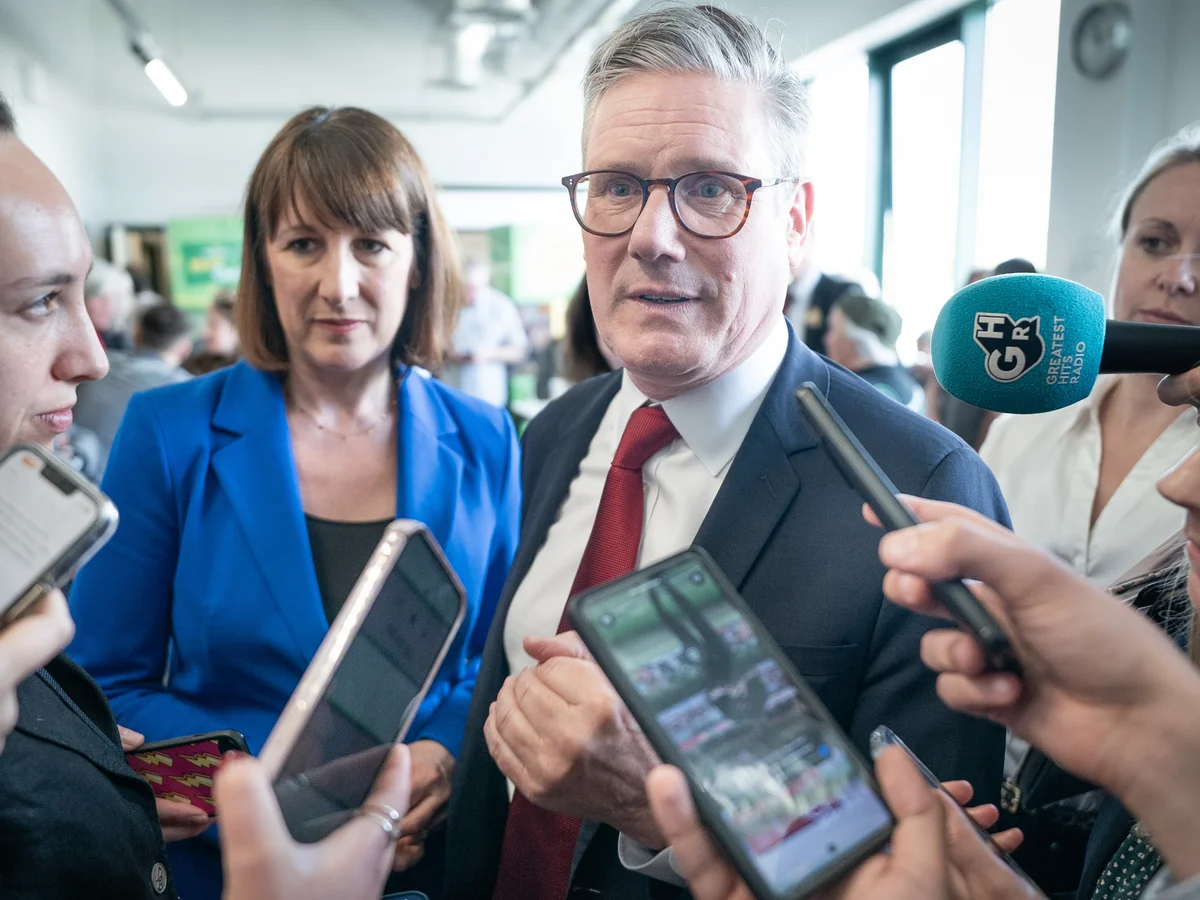
Keir Starmer stands at a critical point in British politics. As the leader of the Labour Party, his public image and political decisions shape the future of his party. One of the best ways to measure his impact is through his approval rating. This simple number tells a powerful story. Let’s explore how the Keir Starmer approval rating has changed, what it means, and what we can expect next.
What Is an Approval Rating?
An approval rating shows how much the public supports a political leader. Pollsters ask people if they approve or disapprove of a leader’s work. The results are then turned into a percentage. A high rating means more people are happy with the leader’s job. A low rating shows dissatisfaction.
In politics, approval ratings often rise and fall. Many things affect them:
- Public speeches
- Election results
- Economic performance
- Scandals or controversies
- Policy announcements
For Keir Starmer, approval ratings have shifted as he responds to national issues and grows into his role.
Who Is Keir Starmer?
Keir Starmer became the leader of the UK Labour Party in April 2020. He took over after Jeremy Corbyn led the party to a major loss in the 2019 general election. Starmer promised to rebuild trust in Labour and bring fresh leadership. Before politics, he was a top lawyer and the Director of Public Prosecutions.
His background earned him respect. He brought a serious tone to politics. But leadership is about more than reputation. The public’s view of him has changed over time, and the Keir Starmer approval rating reflects that.
The Rise and Fall of Starmer’s Ratings
Since taking office, Starmer’s approval ratings have seen highs and lows. Let’s break it down by year to understand the trend better.
2020: A Strong Start
In 2020, right after becoming Labour leader, Keir Starmer’s approval rating surged. Many people welcomed his calm and professional approach. He contrasted Boris Johnson’s more chaotic style during the COVID-19 pandemic.
Key points from 2020:
- Approval ratings hit over 50% in some polls.
- Many saw him as a responsible leader.
- His background in law boosted his image.
2021: Mixed Signals
In 2021, things changed. The public started demanding more from him. Some felt he lacked bold ideas. Others wanted clearer policies.
What changed in 2021:
- Ratings dropped to the 30-40% range.
- Critics said he was not connecting with working-class voters.
- Internal party conflicts affected his image.
2022: A Rebound
By late 2022, the Conservative government faced scandals. As Boris Johnson resigned and Liz Truss’s leadership collapsed, Labour gained ground. Starmer’s calm image helped him again.
2022 highlights:
- Approval ratings began to climb.
- Labor led in many opinion polls.
- Starmer appeared more confident.
2023 and 2024: Building Momentum
In 2023 and early 2024, Starmer focused on preparing for the next general election. He presented himself as a serious alternative to the Conservatives. The public seemed to approve.
Recent trends:
- Approval ratings rose to mid-40% in many polls.
- He gained support among centrist and undecided voters.
- Labor continued to lead in national polls.
What Affects Keir Starmer’s Approval Rating?
Approval ratings do not move randomly. Several key factors influence how the public sees Keir Starmer.
1. Leadership Style
Starmer’s calm and professional style appeals to some voters. Others find him too cautious. His refusal to engage in personal attacks can look dignified but also dull.
Impact: His leadership tone affects both trust and enthusiasm.
2. Policy Clarity
Voters want to know what Labour stands for. When Starmer keeps his plans vague, his approval suffers. When he offers clear, practical ideas, ratings go up.
Example: His focus on the NHS and cost of living issues improved his public image.
3. Conservative Party Performance
Ironically, the government’s mistakes help Starmer. When Tories face scandals or economic trouble, their approval rating often rises.
Example: During the Liz Truss economic crisis, Starmer gained support.
4. Internal Labour Politics
Conflicts within the Labour Party have also affected Starmer’s ratings. When he deals firmly with internal critics, some applaud. Others see it as divisive.
Effect: Party unity helps boost public trust.
How Does Starmer Compare to Other Leaders?
Approval ratings only make sense when we compare them. Let’s look at how Starmer ranks against other recent UK leaders.
LeaderPeak Approval RatingTime in Office
Tony Blair 70%+ 1997-2007
Gordon Brown 60%+ (early) 2007-2010
David Cameron 55%+ 2010-2016
Boris Johnson 66% (early COVID) 2019-2022
Keir Starmer 50%+ (early) 2020–present
Starmer’s approval rating has not reached the heights of Blair or Johnson at their peak. However, he has remained steady, and in recent years, his ratings have improved as other leaders’ popularity fell.
What Do the Polls Say?
Several polling agencies track Keir Starmer’s approval ratings regularly. Here’s what major polls show:
YouGov
- In early 2024, 44% approve, 35% disapprove.
- Shows a net positive view.
- Starmer leads Rishi Sunak in head-to-head polls.
Ipsos UK
- Approval ratings were around 42% in late 2023.
- Younger voters and urban voters support him more.
Redfield & Wilton
- Starmer often polls ahead of Sunak in “best PM” surveys.
- Approval is stronger among women and middle-class voters.
These polls point to one clear trend: Keir Starmer’s approval rating is rising, especially as the general election draws near.
What Voters Like About Starmer
Let’s break down what Starmer supporters often say.
- ✅ He’s honest and serious.
- ✅ He avoids drama and scandal.
- ✅ He focuses on real issues like the NHS, economy, and education.
- ✅ He seems ready to govern.
These traits have helped him gain trust, especially after years of unstable leadership in the UK.
What Critics Say About Starmer
Not everyone supports him. Here’s what critics often mention:
- ❌ He lacks charisma.
- ❌ He avoids bold policies.
- ❌ He’s too focused on winning over Tory voters.
- ❌ He has not fully explained Labour’s plan.
These criticisms affect his approval rating, especially among younger and more progressive voters.
Will Starmer’s Approval Rating Lead Him to Victory?
Approval ratings matter, but they don’t guarantee election wins. Still, they give clues.
What the Numbers Suggest
- Labor is polling 15–20 points ahead of the Conservatives.
- Starmer consistently leads Sunak in “best PM” polls.
- His approval rating is higher than most party leaders in recent memory.
If this trend holds, Starmer and Labour could form the next government.
What Could Shift the Ratings Next?
As the next general election approaches, several things could change public opinion.
1. A Major Policy Announcement
If Starmer presents a bold plan for housing, climate, or tax reform, ratings could jump.
2. A Conservative Comeback
If the government improves the economy or launches a strong campaign, Starmer may face new pressure.
3. A Public Misstep
A major mistake or scandal could damage his approval rating quickly.
4. Voter Turnout
Rising approval means little if supporters don’t vote. Labour’s campaign must energize its base.
Final Thoughts: The Meaning Behind the Numbers
The Keir Starmer approval rating is more than a number. It shows how the public feels about the direction of the country. His steady rise suggests growing support for a change in leadership.
But approval is only part of the story.
To win power, Starmer must turn approval into action—through clear policies, strong campaigns, and real connection with voters. If he does, the numbers may soon reflect a new chapter in British politics.
