


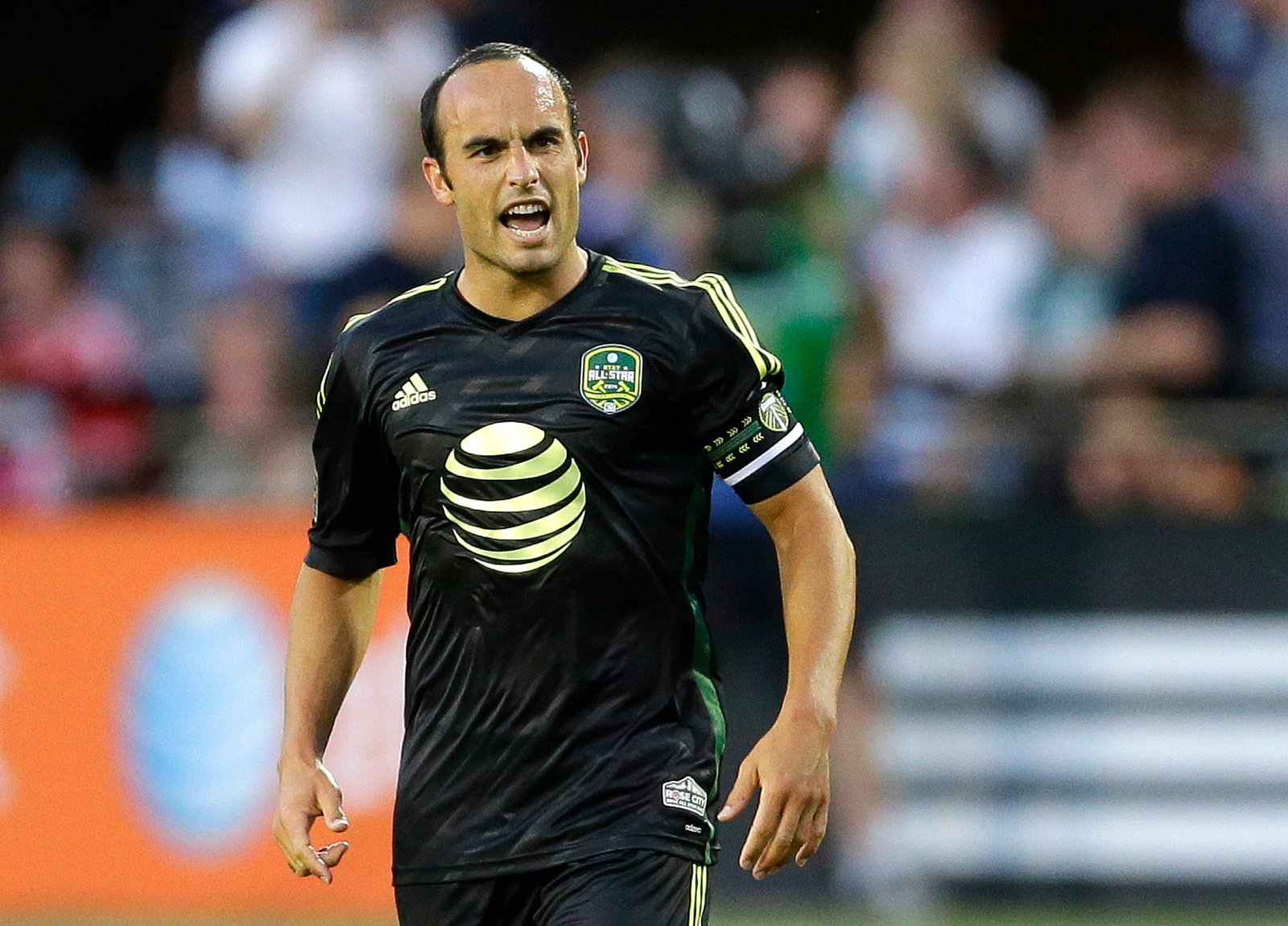
Landon Donovan changed American soccer forever. His name stands tall among the best players the United States has ever produced. Fans remember his speed, vision, and passion. He played with heart and gave everything on the field. Donovan is more than a player. He is a symbol of U.S. soccer’s rise on the global stage.
Early Life and Start in Soccer
Landon Donovan was born on March 4, 1982, in Ontario, California. He grew up with a twin sister and showed talent at a young age. At just six years old, he began playing soccer. His mother, a special education teacher, supported his dreams.
By age ten, Donovan played against boys much older than him. He stood out with his speed and skill. His talent caught his attention quickly.
In 1997, Donovan joined the U.S. Youth Soccer Development Program. Soon after, he earned a place at the IMG Academy in Florida, marking the start of his professional journey.
Breakthrough on the World Stage
In 1999, Donovan led the U.S. team at the FIFA U-17 World Championship. He won the Golden Ball as the top player of the tournament, which put him on the global map. Soon after, German club Bayer Leverkusen signed him.
Though he moved to Germany, Donovan struggled to adjust. The culture and language were tough. He didn’t get much playing time. In 2001, he returned to the U.S. on loan to play for the San Jose Earthquakes in Major League Soccer (MLS).
Rise in Major League Soccer (MLS)
Donovan quickly became a star in MLS. With the San Jose Earthquakes, he won two MLS Cups (2001 and 2003). He scored goals and created chances. Fans loved his energy and leadership.
His impact in MLS includes:
- 4 MLS Cups: 2001, 2003 (San Jose), 2005, 2011, 2012 (LA Galaxy)
- 2 Supporters’ Shields: 2010, 2011
- MLS All-Star: 13 times
- MLS MVP: 2009
- MLS Best XI: 7 times
In 2005, Donovan joined LA Galaxy, which turned the club into a powerhouse. He formed strong partnerships with stars like David Beckham and Robbie Keane, and together, they dominated the league.
U.S. Men’s National Team Hero
Few players have done more for the U.S. Men’s National Team (USMNT) than Landon Donovan. Over his international career, he earned 157 caps and scored 57 goals. He also made 58 assists. Both numbers are near or at the top in U.S. soccer history.
Donovan’s World Cup Legacy:
- 2002 FIFA World Cup: Helped the U.S. reach the quarterfinals. He scored two goals and won the Best Young Player Award.
- 2006 FIFA World Cup: Played, but the U.S. exited early.
- 2010 FIFA World Cup: Scored one of the most iconic goals in U.S. history against Algeria.
The Algeria Goal
In the 91st minute, with the U.S. on the brink of elimination, Donovan followed up on a rebound and scored. The stadium exploded, and the nation cheered. That moment became a symbol of hope and belief.
Style of Play
Donovan played as a forward, winger, and attacking midfielder. He used his pace and intelligence to find space. His passing was crisp. His movement was smart. He also showed a strong work ethic on and off the ball.
Key strengths:
- Speed
- Vision
- Finishing
- Leadership
- Versatility
He wasn’t flashy. He didn’t rely on tricks. But he always found ways to win.
Leadership and Influence
Donovan led by example. He pushed his teammates to be better. Younger players looked up to him. He spoke clearly and acted with purpose. Coaches trusted him.
Off the pitch, he promoted soccer in the U.S. He appeared in ads, gave interviews, and supported youth programs. He wanted the sport to grow, and his voice carried weight.
Time with Everton
In 2010 and 2012, Donovan joined English Premier League club Everton on loan. Though his time was short, fans loved him. He was impressed with his skill and work rate. Coach David Moyes praised his impact.
He showed that American players could succeed in Europe, and his time at Everton helped raise respect for U.S. soccer abroad.
Retirement and Return
Donovan first retired in 2014. But in 2016, he returned to LA Galaxy to help during an injury crisis. In 2018, he briefly played for Club León in Mexico. Though not as sharp, he showed commitment.
His love for the game pulled him back. Fans admired his passion. Even late in his career, he stayed competitive.
Off the Field: Coach and Owner
After retiring, Donovan turned to coaching and management. He became head coach and executive vice president for San Diego Loyal SC in the USL Championship.
With San Diego Loyal, he:
- Built a competitive team
- Promoted diversity and inclusion
- Took a stand against racism and discrimination
- Resigned from a match in protest of a homophobic slur
Donovan believed in values. He showed that soccer was more than a game. It was about respect and unity.
Legacy and Honors
Landon Donovan’s impact on American soccer is unmatched. He helped shape the sport’s future, and his name lives on in trophies and stadiums.
Major honors:
- U.S. Soccer Athlete of the Year: 4 times
- MLS MVP Award: Renamed the Landon Donovan MVP Award
- All-time USMNT leader in assists
- Second all-time in USMNT goals
- MLS all-time assists leader (136)
- Inducted into the National Soccer Hall of Fame (2023)
His records speak for themselves. But his legacy is more than numbers. He inspired a generation.
Why Landon Donovan Matters
Landon Donovan brought soccer into more American homes, made fans believe, and showed that U.S. players could compete with the best.
His influence:
- Inspired young players across the country
- Helped grow MLS into a respected league
- Brought pride to the national team
- Became a role model on and off the field
He wasn’t just a player. He was a pioneer and leader.
Fun Facts About Donovan
Here are a few things fans may not know:
- He speaks fluent Spanish.
- He once played in a beach soccer tournament.
- He trained with Bayern Munich under Jürgen Klinsmann.
- He turned down a European contract to stay close to home.
- He is a part-owner of the San Diego MLS expansion team.
Donovan stayed true to himself. He followed his path.
Final Thoughts
Landon Donovan’s journey shows what passion and hard work can do. He faced challenges but always gave his best. He stood up for what he believed in. And he helped change soccer in America.
Today, kids wear his jersey, coaches tell his story, and his legacy grows with every match played on U.S. soil.
