


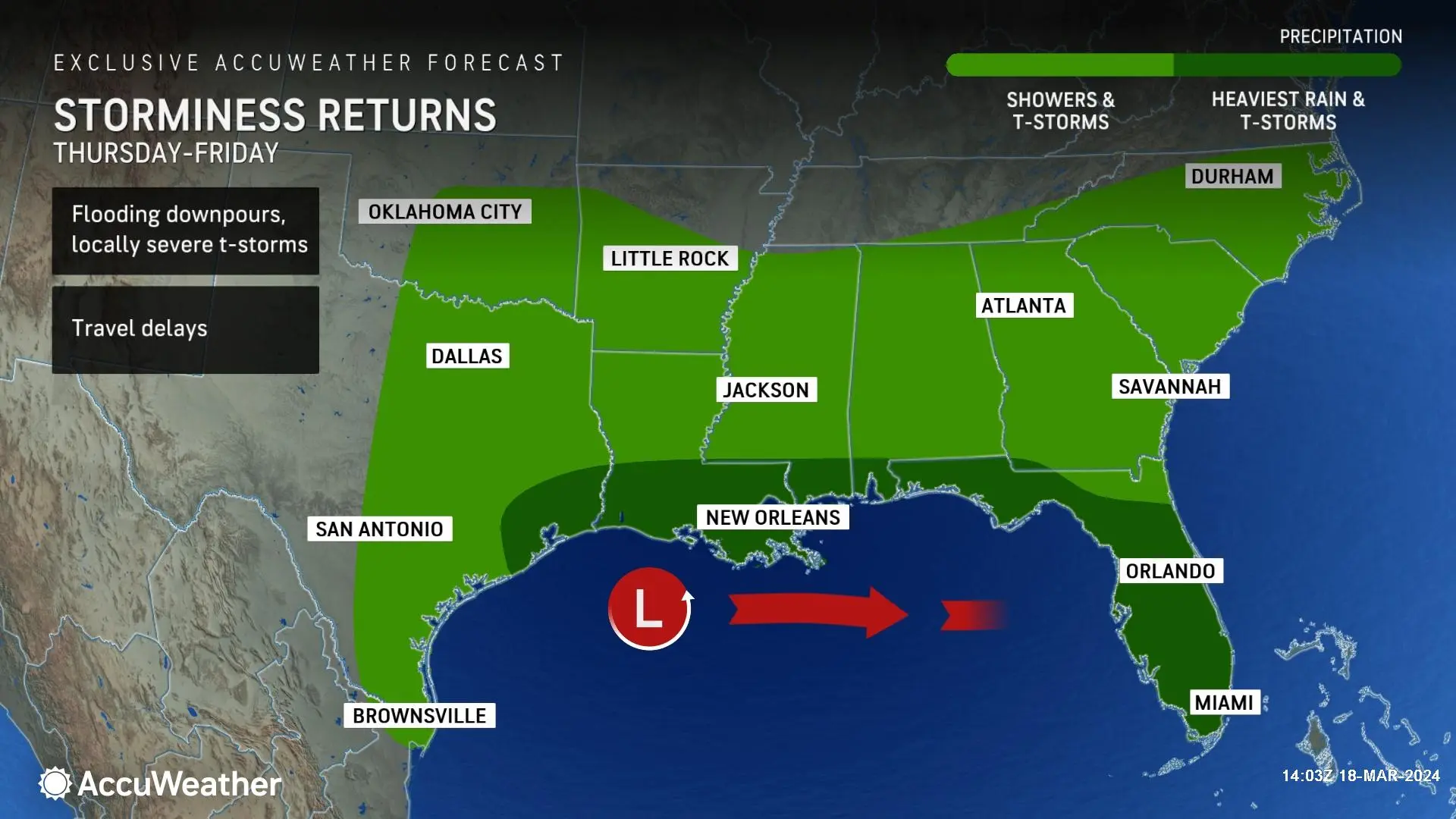
Severe weather will bring dangerous thunderstorms to the Gulf Coast and Southeast this Sunday. Meteorologists have warned residents to prepare for high winds, heavy rainfall, and potentially damaging hail. The forecast highlights the risks of flash flooding, power outages, and even tornadoes in some areas. Individuals and communities must stay informed as these storms approach and take necessary precautions to protect themselves and their property.
What to Expect from These Severe Thunderstorms
The Gulf Coast and Southeast regions are no strangers to severe weather. However, this system is shaping up to be particularly dangerous. The storms are predicted to develop early Sunday morning and intensify throughout the day. Here’s what experts are forecasting:
- High Winds
- Gusts could reach speeds of 60 to 70 mph, posing a threat to trees, power lines, and unsecured outdoor objects.
- Strong winds may also make travel hazardous, especially for high-profile vehicles like trucks and RVs.
- Heavy Rainfall
- Rainfall totals in some areas could exceed 3 inches in just a few hours, leading to flash flooding in low-lying and urban areas.
- Saturated ground from previous rains increases the risk of landslides in hilly regions.
- Large Hail
- Some storms may produce hailstones larger than a quarter. These can damage vehicles, roofs, and crops.
- Tornadoes
- While not guaranteed, tornadoes may form in isolated areas. Residents should monitor local alerts and know where to take shelter.
Regions at Greatest Risk
The National Weather Service (NWS) has issued warnings for several states along the Gulf Coast and throughout the Southeast. Areas at the highest risk include:
- Louisiana: Cities like New Orleans and Baton Rouge may experience strong winds, heavy rain, and possible tornadoes.
- Mississippi: Jackson and surrounding areas are under a severe thunderstorm watch, with flash flooding a significant concern.
- Alabama: Birmingham and Mobile could see damaging winds and significant rainfall.
- Florida Panhandle: Pensacola and Tallahassee are bracing for potential hail and localized flooding.
- Georgia and the Carolinas: Storms are expected to weaken slightly as they move east but could still bring heavy rain and gusty winds.
Stay updated on local weather reports and emergency alerts if you live in these areas.
severe thunderstorms threaten the gulf coast and southeast on sunday.
How to Prepare for Severe Thunderstorms
When severe weather threatens, preparation is key to staying safe. Here are some steps to take before the storms arrive:
1. Secure Your Home
- Bring outdoor furniture, grills, and other items inside to prevent them from becoming projectiles.
- Close and lock all windows and doors. Consider installing storm shutters if available.
2. Prepare a Storm Kit
- Include essentials like water, non-perishable food, flashlights, batteries, and a first-aid kit.
- Don’t forget medications, important documents, and chargers for electronic devices.
3. Stay Informed
- Monitor the weather through trusted sources such as the National Weather Service or local news stations.
- Sign up for emergency alerts on your phone to receive real-time updates.
4. Plan for Power Outages
- Charge all devices and keep backup power sources ready, such as portable chargers or generators.
- Stock up on candles, matches, and extra blankets if the power goes out for an extended period.
5. Know Where to Shelter
- Identify the safest room in your home, such as a basement or an interior room without windows.
- If you’re in a mobile home, plan to move to a sturdier structure during the storm.
What to Do During the Storm
Once the thunderstorms hit, staying safe should be your top priority. Follow these guidelines during the severe weather event:
- Stay Indoors
- Avoid going outside unless necessary. Flying debris and lightning strikes are serious hazards.
- Keep pets inside as well to protect them from harm.
- Avoid Windows
- Strong winds can shatter glass, so avoid windows and doors.
- Use heavy curtains or blinds for additional protection.
- Unplug Electronics
- Lightning strikes can cause power surges, which could damage appliances and electronics. Unplug them to reduce the risk.
- Listen to Alerts
- Keep a battery-powered radio or phone nearby for weather updates and emergency instructions.
- If a tornado warning is issued, take shelter immediately in the safest part of your home.
After the Storm: Staying Safe
When the severe weather subsides, the danger may not be over. Follow these tips to stay safe in the aftermath:
- Check for Damage
- Inspect your home for structural issues like roof damage or broken windows.
- Be cautious of downed power lines or fallen trees near your property.
- Avoid Floodwaters
- Even shallow floodwaters can be dangerous. They may contain debris, bacteria, or hidden hazards like live wires.
- Never attempt to drive through flooded roads.
- Report Hazards
- Notify local authorities about power outages, downed power lines, or blocked roads.
- Take photos of any damage for insurance purposes.
- Help Neighbors
- Check on elderly or disabled neighbors needing assistance recovering from the storm.
Why These Storms Are So Dangerous
Severe thunderstorms are more than just a nuisance-they can be life-threatening. The combination of heavy rain, high winds, hail, and the potential for tornadoes creates a perfect storm of risks. The Gulf Coast and Southeast are particularly vulnerable due to their geography. Warm, moist air from the Gulf of Mexico fuels these storms, making them more intense. ollyhibs
Climate experts also note that changing weather patterns could contribute to these events’ frequency and severity. While it’s impossible to attribute a single storm to climate change, the overall trend suggests a growing need for preparedness and resilience.
Final Thoughts
Severe thunderstorms threatening the Gulf Coast and Southeast on Sunday should not be taken lightly. Residents in affected areas must remain vigilant and proactive in their preparations. By securing homes, staying informed, and following safety guidelines, you can reduce the potential risks and protect yourself and your loved ones.
Remember, the key to weathering any storm is preparation and staying calm. Pay attention to official warnings, and don’t hesitate to act when necessary. Nature’s power is unpredictable, but with the proper precautions, we can face it with confidence. Stay safe!
