


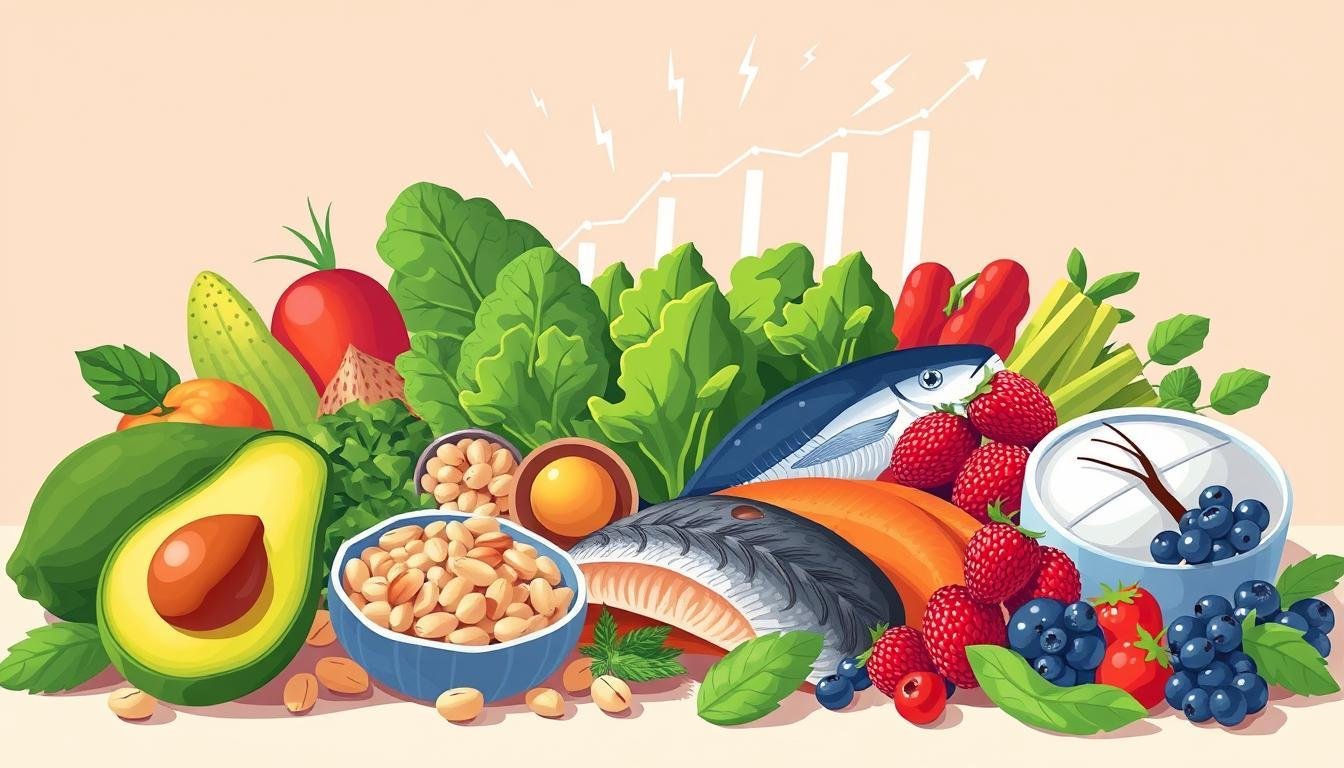
The keto diet is famous for making people healthier. It focuses on eating more fats and fewer carbs. This change helps our body use fat for energy instead of sugar.
This leads to weight loss, more energy, and better focus. Starting the keto diet can really change the way you feel every day. You will notice you feel more alive and sharp.
Key Takeaways
- The keto diet emphasizes a low-carb, high-fat eating approach.
- It can significantly support weight loss strategies.
- Many people experience increased energy levels while on this diet.
- Improving mental clarity is a notable advantage of the keto lifestyle.
- Understanding how the body shifts to fat metabolism is essential.
What is the Keto Diet?
The keto diet is a unique way of eating that focuses on very low carbs and high fat. It usually involves getting 75% of calories from fat, 20% from protein, and only 5% from carbs. This keto definition is a big shift from what most people are used to. By following this plan, your body enters a state called ketosis.
When in ketosis, your body burns fat for fuel instead of sugar. This change can help with weight loss and improve health. The keto diet began in the 1920s to treat epilepsy in kids when medicine didn’t work. It has now become popular for weight loss, better brain function, and more energy.
Understanding keto is key as more people try it out. This diet encourages you to be creative with meals and can help make lasting changes to your lifestyle.
How the Keto Diet Works
The keto diet changes how your body gets its energy by cutting down on carbs. This leads your body to start a process called ketosis. Here, the liver turns fats into ketones, a good alternative energy source. This helps your body burn fat better.
Normally, your body uses glucose from carbs for energy. But with fewer carbs, your body gets better at using stored fat for energy. This not only boosts energy levels but ensures energy lasts longer throughout the day.
Being in ketosis has more perks than just more energy. It helps people eat less, making weight loss easier. This decrease in hunger makes sticking to the keto diet simpler over the long term.
| Aspect | Traditional Metabolism | Keto Metabolism |
| Primary Energy Source | Glucose | Ketones |
| Fat Burning Capability | Low | High |
| Appetite Control | Variable | Enhanced |
| Energy Levels | Peaks and Dips | Sustained |
The keto diet changes how your body works, leading to weight loss and better, more stable energy. This shows how powerful the keto diet can be for your body.
Benefits of Keto Diet
The keto diet offers more than just weight loss. It provides a wide range of benefits for your health. It focuses on healthy fats while cutting down on carbs. This makes the diet popular for its impact on both body and mind.
Weight Loss
Weight loss is a key benefit of the keto diet. When your body goes into ketosis, it burns fat instead of carbs. This helps reduce hunger hormones, making it easier to eat less. Many have lost a lot of weight while still eating satisfying meals. This helps them stick with the diet long-term.
Increased Energy Levels
Many on the keto diet notice they have more energy. This is because their blood sugar levels become more stable. Without the sugar highs and lows of high-carb diets, they enjoy steady energy all day. This boost in energy helps them be more productive and active.
Mental Clarity and Focus
The keto diet is also great for the brain. It has been linked to better mental clarity and focus. As the brain starts using ketones for energy, many say their memory and focus improve. This is a big plus for anyone wanting to do better at work or school.
Understanding Ketosis
Ketosis is a metabolic state where the body uses fat as its main energy source. This happens when the body produces ketones from fat, to fuel activities, even brain functions. Knowing about ketosis is key for anyone who wants to follow a low-carb diet successfully.
The Role of Ketones
When the body has fewer carbs, it starts to break down fat for energy. This process makes ketones. These ketones power the brain and muscles, can curb hunger, and may assist in losing weight.
How to Achieve Ketosis
To get into ketosis, you should try these diet tips:
- Dramatic Carbohydrate Reduction: Keep your daily carbs under 50 grams to start ketosis.
- Increase Healthy Fats: Eat more good fats, like avocados, nuts, and olive oil.
- Intermittent Fasting: Skipping meals from time to time helps get you into ketosis faster.
- Stay Hydrated: Drinking water helps control hunger and keeps your energy up.
- Monitor Ketone Levels: Checking your ketosis state with urine strips or blood tests is helpful.
Using these methods consistently helps in reaching ketosis and enjoying its health advantages.
| Method | Description | Benefits |
| Carb Reduction | Lowering carb intake to trigger fat metabolism | Promotes rapid fat loss and enhances ketone production |
| Fat Increase | Emphasizing healthy fats in the diet | Supports prolonged energy levels and hunger suppression |
| Intermittent Fasting | Cycling between eating and fasting periods | Boosts fat oxidation and helps deepen ketosis |
Getting to know these strategies can make your journey into ketosis easier, leading to better energy and health.
Low-Carb High-Fat: The Key Components
The keto diet is all about eating low-carb and high-fat. Knowing the key parts is important for doing it right. Focusing on healthy fats matters a lot. It’s also key to choose the right low-carb foods for better health.
Healthy Fats Explained
Healthy fats are very important for this diet. They make meals tastier and more nutritious. Some good sources are:
- Avocados
- Olive oil
- Fatty fish such as salmon and mackerel
- Nuts and seeds, including almonds and chia seeds
Healthy fats give you energy and help you feel full. Avoid trans fats from processed foods. They’re bad for your heart and health.
Low-Carb Foods to Include
Picking the right low-carb foods helps keep your keto diet on track. Choose foods that don’t spike your blood sugar. Great choices are:
- Leafy greens like spinach and kale
- Non-starchy vegetables such as zucchini and bell peppers
- Berries in moderation, like strawberries and raspberries
- High-fiber vegetables including broccoli and cauliflower
These foods are key for planning meals. They keep your diet interesting and in line with keto goals.
Impact on Heart Health
The keto diet helps the heart in many ways, especially with cholesterol and triglyceride levels. Often, people are misled about dietary fat which stops them from trying a low-carb high-fat lifestyle. Choosing healthy fats can make your heart health better.
Cholesterol and Triglyceride Levels
On a proper keto diet, people usually see a good change in cholesterol. Many report higher HDL or “good cholesterol” levels. They also see lower triglycerides, which is great for the heart.
Studies show cutting carbs can lower triglycerides, reducing heart disease risk. This leads to a healthier overall lipid profile.
Heart Disease Risk Reduction
Studies suggest the keto diet could lower heart disease risks. It helps with weight loss and improves insulin sensitivity, reducing cardiovascular risks. Eating healthy fats from avocados, nuts, and olive oil helps the heart.
Keeping cholesterol in check and managing triglycerides lowers the chance of heart problems.
Managing Diabetes Effectively
The keto diet is now a top choice for diabetes management. It sharply cuts down on carbs, leading to better blood sugar control. Unlike other diets filled with carbs, which spike your blood sugar, keto keeps it low.
Studies show that people with keto for diabetes may become more sensitive to insulin. They might not need as much medication. This is good for those wanting fewer drugs.
If you have diabetes and are thinking about keto, be careful. You must talk to a doctor. This is because big diet changes can cause low blood sugar. A doctor will help you adjust safely and benefit from keto.
| Key Factors | Traditional Diet | Keto Diet |
| Carbohydrate Intake | High | Low |
| Blood Sugar Levels | Fluctuate | Stabilized |
| Insulin Sensitivity | Normal/Low | Enhanced |
| Medication Dependency | Higher | Potentially Lower |
| Medical Supervision Required | Yes | Yes |
Reduced Inflammation through Keto
The ketogenic diet is becoming popular not just for losing weight. It’s also known for lowering inflammation in the body. Chronic inflammation can cause many health problems like arthritis, heart disease, and metabolic syndrome. A lot of people eating fewer carbs and more fats have seen their inflammation decrease and their health improve.
How Ketosis Affects Inflammation
Ketosis is a metabolic state from the keto diet that can greatly affect inflammation. When your body is in ketosis, it makes ketones. These ketones can reduce inflammation markers in your body. This is especially good for people dealing with long-term inflammation.
The anti-inflammatory effects of ketones can ease symptoms and offer relief from chronic inflammatory conditions.
Following a keto diet does more than help with weight. It also encourages a healthier inflammatory response. For those looking to better their health, using ketosis to reduce inflammation can be key.
FAQ
What is the keto diet and how does it work?
The keto diet is a way of eating that focuses on low carbs and high fats. It aims to make the body burn fat for energy by entering a state called ketosis. In ketosis, the body creates energy from fats.
What are the benefits of following a keto diet?
The keto diet can help you lose weight effectively. It boosts your energy, makes your mind sharper, and reduces inflammation. It also levels out blood sugar, aiding diabetes control, and may help treat epilepsy.
Is the keto diet safe for everyone?
Not everyone should start the keto diet without advice. People with kidney disease or diabetes, for instance, must talk to a doctor first. It’s key to watch for things like nutrient shortages and the keto flu too.
How can I achieve ketosis on the keto diet?
Getting into ketosis means eating very few carbs, lots of healthy fats, and a fair amount of protein. Trying intermittent fasting can also help move things along faster.
Can the keto diet help with heart health?
Yes, the keto diet can be good for your heart. It can get your cholesterol and triglycerides to healthier levels. By eating good fats, you can increase good cholesterol and lower bad fats in your body, which lowers heart disease risk.
What types of foods should I include on a keto diet?
Eat healthy fats like avocado and olive oil, and fatty fish. Choose low-carb veggies and greens. Stay away from sugar and processed carbs to keep in ketosis.
How does the keto diet affect mental clarity?
Keto can clear your mind and improve your focus. This is because your brain uses ketones, a cleaner energy source than glucose, which many find boosts concentration.
Are there any drawbacks to the keto diet?
Early on, you might face the keto flu, feeling tired and headachy. Staying on this strict diet can be tough over time. Plus, it’s important to get all your needed nutrients.
