


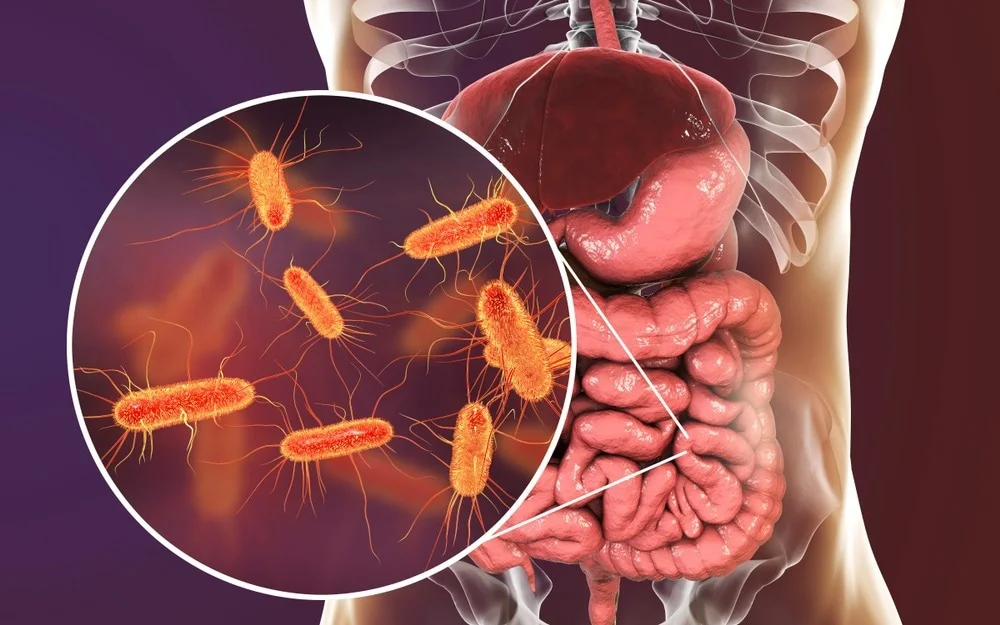
We’ve all felt it—the gut-wrenching sensation that comes with stress. But did you know that stress and gut health link goes much deeper? Your brain and digestive system are closely connected, meaning that stress can profoundly impact how your gut functions.
The Brain-Gut Connection
Your gut and brain communicate via the gut-brain axis, which regulates digestion and other bodily functions. When stressed, your body releases cortisol and other hormones that can slow digestion, leading to symptoms like bloating, cramping, and nausea. Over time, chronic stress can throw off the natural balance of your digestive system, contributing to conditions such as irritable bowel syndrome (IBS) and other digestive disorders.
Stress and Gut Microbiome
A significant part of gut health is maintaining a balanced microbiome—home to trillions of bacteria that play a vital role in digestion and immune function. Stress can alter the composition of these bacteria, reducing beneficial strains and allowing harmful ones to flourish. When your gut microbiome is out of balance, it can increase inflammation, food sensitivities, and further digestive issues.
How to Restore Balance
Thankfully, there are several ways to counteract the negative effects of stress on your gut and restore balance.
- Diet and Nutrition: A diet rich in fibre, fermented foods, and probiotics can help maintain a healthy gut. Incorporating supplements like gut motility supplements can aid digestion and prevent issues like constipation, often exacerbated by stress. Fermented foods such as yogurt and sauerkraut are packed with probiotics that can replenish beneficial bacteria in your gut.
- Awareness of Intolerances: For those who struggle with dairy digestion, for example—something that can worsen with stress—lactase pills can help. These pills contain the enzyme necessary to break down lactose, reducing discomfort and making it easier to enjoy dairy without triggering digestive upset.
- Mindful Practices: Engaging in mindfulness practices like meditation and deep breathing can help manage stress and reduce its impact on your gut. Research shows these activities lower cortisol levels, promoting relaxation and healthier digestion. Exercise, even a simple walk, can also improve gut motility and relieve tension.
- Gut-Health Supplements: If stress constantly affects your gut, you may consider supplementing your diet with gut motility supplements. These can help regulate bowel movements, relieve constipation, and support overall digestive health by promoting smoother food passage through your intestines.
The Role of Prebiotics and Probiotics
A healthy gut thrives on a balance of prebiotics and probiotics. Prebiotics in foods like garlic, onions, and bananas feed the beneficial bacteria in your gut. On the other hand, probiotics are the live bacteria found in foods like kefir and supplements, which are often available on platforms like amazon.com. Together, they help maintain gut harmony, especially when stress disrupts your digestive system.
The Long-Term Effects of Chronic Stress
If left unchecked, chronic stress can lead to long-term gut health problems. Stress-induced changes to your gut microbiome can trigger inflammation, which may worsen conditions like Crohn’s disease, ulcerative colitis, and IBS. Over time, stress can weaken your gut lining, causing “leaky gut syndrome,” where toxins and undigested food particles pass into your bloodstream, potentially triggering an immune response.
Stress Management: A Key to Gut Health
Managing stress effectively is crucial for long-term gut health. Here are a few strategies:
- Stay Active: Regular exercise reduces stress and supports gut health by improving digestion and enhancing the function of the gut-brain axis.
- Prioritize Sleep: Quality sleep is important in stress management and digestive health. Aim for 7-8 hours of restful sleep each night.
- Connect with Others: Social support can reduce stress. Spending time with loved ones or engaging in online communities can lower stress levels and, by extension, improve your gut health.
The connection between stress and gut health is undeniable. Chronic stress can wreak havoc on your digestive system. Still, you can restore harmony in your digestive tract with mindful practices, a balanced diet, and the right supplements, like gut motility supplements and lactase pills. Managing stress isn’t just about mental peace—it’s about giving your gut the care it needs to function at its best. By prioritizing your mental well-being, you can also help ensure your gut stays healthy.
Maintaining a healthy balance between mind and gut is key to overall well-being, so take time to nurture both.
