


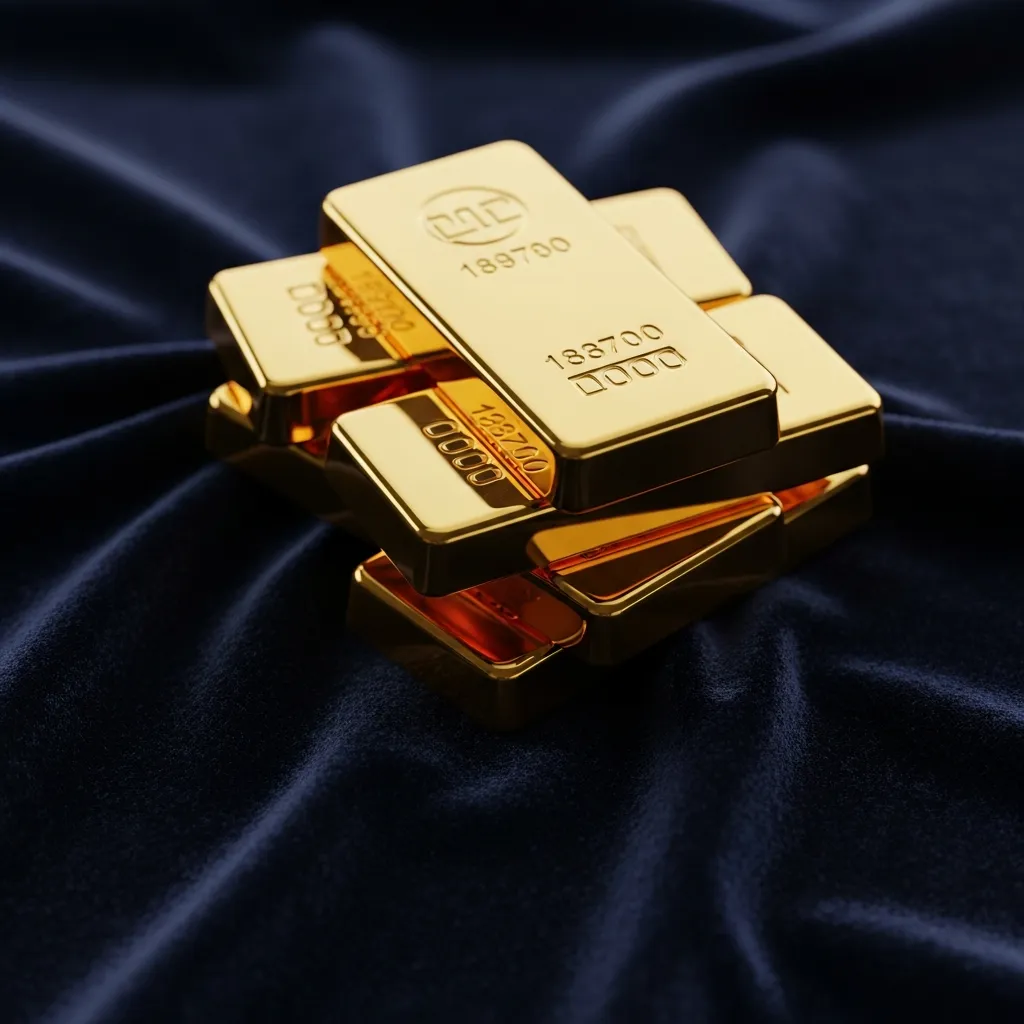
Gold bullion is generally purchased as a long-term investment. Some investors hold their gold for years, preferring to keep a physical asset rather than convert it into cash.
However, circumstances can change. An unexpected expense or temporary need for funds may arise when an investor would prefer not to sell their holdings.
For people researching gold loans Brisbane, borrowing against existing gold bullion may provide an alternative to selling it outright.
Can You Borrow Against Gold Bullion?
Gold bars and investment coins can be used as security for certain types of loans.
A lender assesses the bullion and offers an amount based on its value. The bullion is held as security while the loan remains outstanding and is returned when the borrower satisfies the repayment agreement.
Common investment products include one-ounce gold coins, minted bars and larger cast gold bars.
Because investment bullion is generally manufactured to recognised purity and weight standards, its underlying metal value can be relatively straightforward to establish once authenticity has been confirmed.
Why Would an Investor Borrow Instead of Sell?
Consider someone who owns five one-ounce gold bars but needs temporary funds for a business expense.
They could sell one or more bars to raise money. However, doing so would reduce their gold holdings, and purchasing replacement bullion later could involve additional transaction costs.
A gold-backed loan offers a different arrangement.
Instead of selling the bars, the owner temporarily provides them as collateral. If the loan is repaid as agreed, the original bullion can be recovered.
This may appeal to investors who intend to retain their gold over the longer term, although borrowing costs must be considered.
How Much Can Be Borrowed?
The amount available depends on the lender’s assessment and lending policies.
For example, suppose an investor has gold bullion valued at $20,000.
If a lender offers a loan equal to 60% of the assessed value, the investor could borrow $12,000.
This is an illustrative example rather than a standard lending percentage. Actual offers vary between businesses.
The loan amount is generally lower than the bullion’s market value because the lender must allow for the possibility that the loan will not be repaid.
What Happens to the Bullion During the Loan?
Under a conventional pawnbroking arrangement, the lender retains possession of the pledged bullion while the agreement remains active.
The borrower should receive documentation identifying the pledged items, loan amount, repayment conditions and applicable charges.
The National Pawnbrokers Association of Australia explains this process in its article, How Pawnbroking Works.
Before proceeding, borrowers should understand how their bullion will be stored and what happens if the loan reaches its repayment deadline.
Does a Rising Gold Price Reduce the Loan Balance?
Not automatically.
Although gold prices fluctuate, the outstanding loan remains governed by the agreed repayment terms.
If gold increases in value during the loan period, the borrower does not automatically owe less money.
Similarly, interest and other applicable charges may continue accumulating regardless of movements in the gold market.
Is a Gold Loan the Right Choice?
People considering gold loans Brisbane should compare the total borrowing cost with the alternative of selling bullion.
Borrowing may be appropriate when the need for funds is temporary and repayment is realistically achievable.
Selling may be simpler when the owner no longer wishes to retain the bullion or cannot confidently repay a loan.
Ultimately, the important consideration is whether retaining the gold justifies the interest, fees and risk of losing the pledged asset if the agreement is not fulfilled.
