


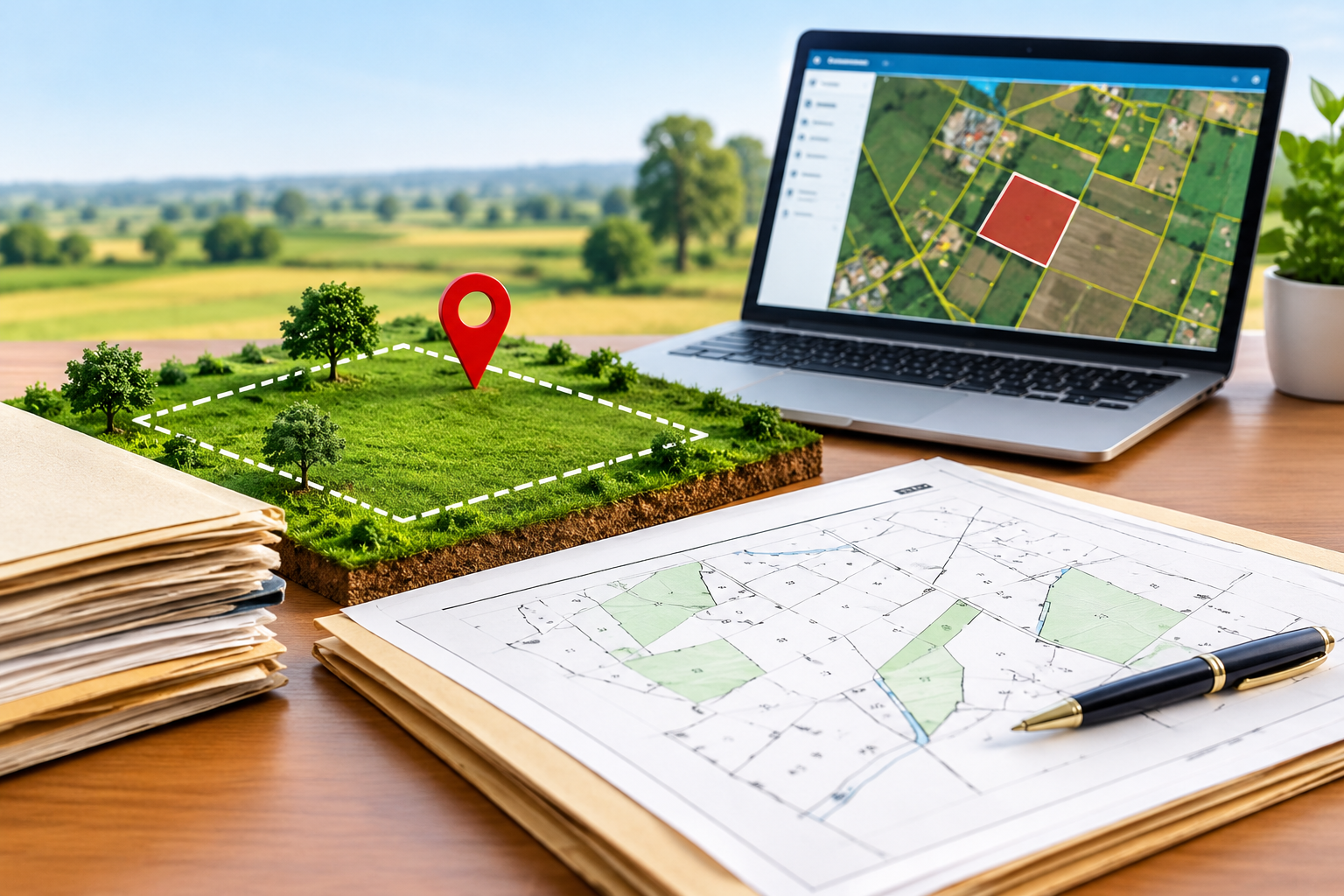
Navigating land ownership details, verifying property titles, and managing legal documentation can often feel complicated. Fortunately, the government of Maharashtra has streamlined this process through an advanced digital initiative designed to bring transparency and accessibility to citizens. Whether you own agricultural fields in a rural village or a residential plot inside a bustling urban center, managing your land records has become far more straightforward.
Understanding how to navigate these digital land systems ensures that you can protect your property investments, secure financial loans, and verify land ownership safely from your home.
What is the Maharashtra Land Records Portal?
The official digital land repository—commonly referred to by locals as Mahabhulekh or Mahabhumi—is an online portal managed by the Revenue Department of Maharashtra. Developed under the Digital India Land Records Modernization Programme (DILRMP), this platform serves as a centralized database for all registered land parcels across the state.
Before this system was introduced, property owners had to visit local tehsil or revenue offices physically, wait in long queues, and rely heavily on middlemen to obtain certified copies of their land papers. Today, anyone can access authentic documents online, which drastically cuts down bureaucratic delays, reduces fraudulent property transactions, and promotes absolute clarity in real estate dealings.
Core Documents Available on the Platform
The digital portal hosts several vital legal extracts. Each document serves a unique purpose depending on whether the land is agricultural or urban.
| Document Name | Primary Focus | Common Purpose & Usage |
| 7/12 Extract (Satbara Utara) | Combines Village Form 7 (ownership rights) and Village Form 12 (agricultural and crop data). | Proving rural land ownership, applying for farm loans, and tracking crop patterns. |
| 8A Extract | Summarizes the total landholdings of a single individual and tracks tax liabilities. | Verifying land revenue and tax payments owed to the state government. |
| Property Card (Malmatta Patrak) | The urban counterpart to the 7/12 extract, detailing city survey numbers, area dimensions, and ownership. | Buying, selling, or verifying residential and commercial properties within municipal limits. |
| Mutation Records (Ferfar) | Tracks the historical changes in property ownership, such as sales, gifts, or inheritance transfers. | Maintaining an updated lineage of legal ownership and resolving title disputes. |
Step-by-Step Guide to Accessing Land Records Online
Retrieving your documents takes only a few minutes if you have the correct property identifiers handy. Follow these simple instructions to fetch your files:
- Visit the Official Portal: Open your web browser and navigate to the official Maharashtra land records website (
bhulekh.mahabhumi.gov.in). - Select Your Region: On the homepage, choose your respective administrative division (such as Pune, Konkan, Nagpur, Nashik, Amravati, or Chhatrapati Sambhajinagar).
- Choose the Document Type: Select whether you want to check a 7/12 extract, 8A extract, or a Property Card.
- Enter Location Details: Pick your specific District, Taluka (sub-district), and Village from the corresponding dropdown menus.
- Provide Property Identifiers: Enter either the Survey Number / Gat Number, property holder’s name, or the 11-digit Property UID number if known.
- Complete Verification: Input the required captcha verification code shown on the screen and click the search button to view your records instantly.
Why Digital Land Verification Matters
Transitioning to digital land records offers immense protection for buyers, sellers, and generational landowners alike. When you can review ownership histories, existing bank loans, and encumbrance notes online, you protect yourself from fraudulent sellers or disputed plots. Furthermore, financial institutions require official digitally signed copies of these extracts when processing home loans, agricultural credit, or mortgage approvals.
By utilizing these transparent digital resources, citizens can maintain absolute control over their assets, ensure their tax assessments are accurate, and preserve clear title histories for generations to come.
