


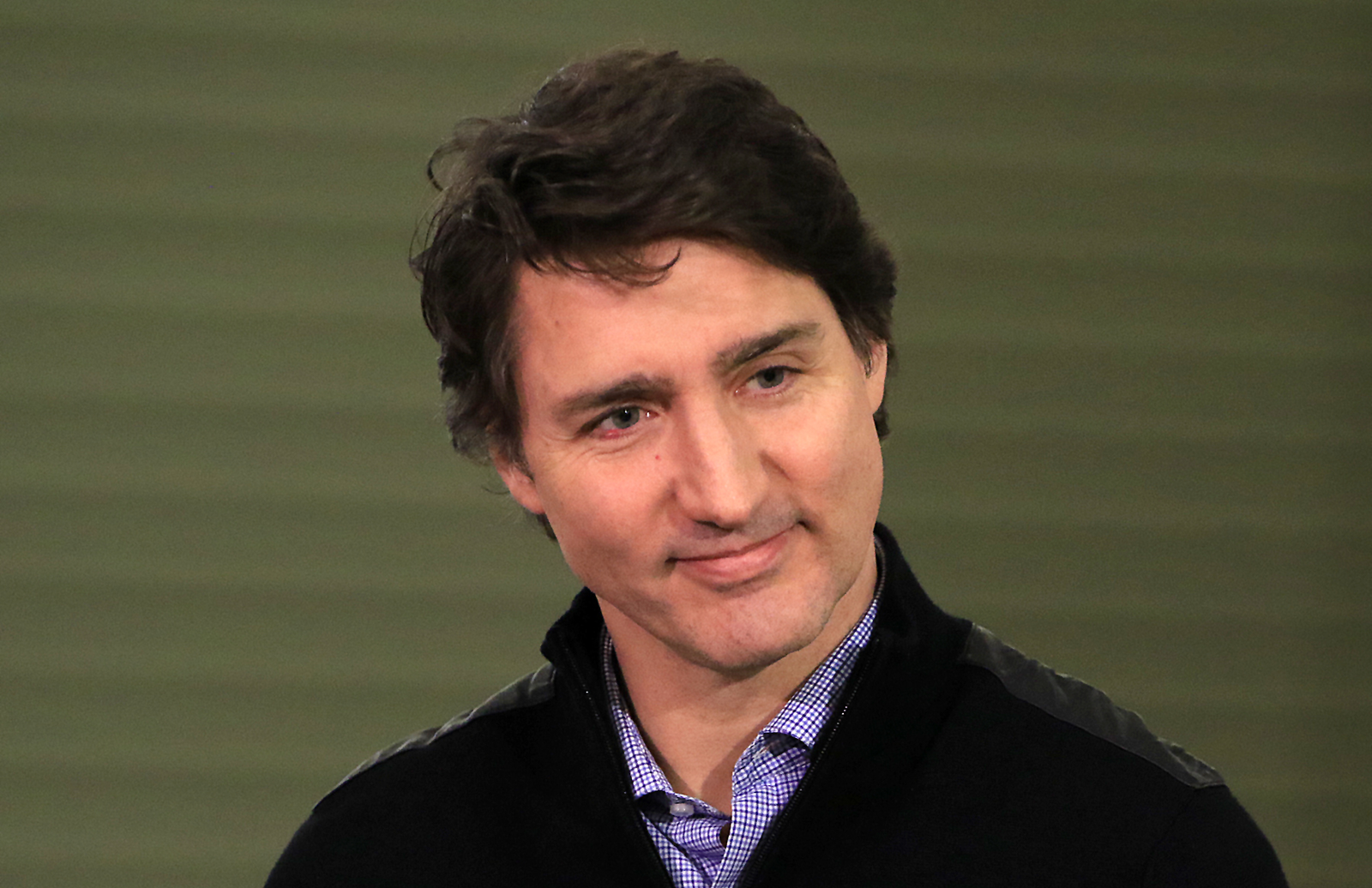
Justin Trudeau’s financial standing reflects a combination of family legacy, early professional careers, political compensation, and strategic asset management. As the son of former Canadian Prime Minister Pierre Elliott Trudeau and a long-serving politician himself, his wealth journey is rooted in both intergenerational inheritance and public service earnings.
Overview of Financial Position
Determining exact figures for high-profile political figures often leads to widely varying estimates across public record databases and financial reports. Independent balance sheet audits and disclosure records evaluate Justin Trudeau’s verified wealth profile between $10 million and $95 million USD, depending on whether valuation methods include broad family trust valuations or strictly personal liquid holdings and registered property.
| Financial Metric | Estimated Value (USD) | Estimated Value (CAD) |
| Verified Net Worth Range | $10 Million – $95 Million | $13.5 Million – $128 Million |
| Annual Prime Minister Base Salary | ~$270,000 | ~$357,800 |
| Parliamentary Base Salary | ~$135,000 | ~$178,900 |
| Prime Minister Additional Allowance | ~$135,000 | ~$178,900 |
| Inheritance & Family Trust (Blind Trust) | $1.2 Million – $10 Million+ | $1.6 Million – $13.5 Million+ |
| Recent Real Estate Acquisitions | $3.15 Million | $4.26 Million |
Sources of Wealth
1. Family Legacy and Inheritance
The foundation of Justin Trudeau’s wealth traces back generations through the Trudeau family.
- The Automobile Owners’ Association: In the 1920s, Justin Trudeau’s grandfather, Charles-Émile Trudeau, built a successful network of around 30 gas stations across the Montreal region. During the Great Depression in 1932, he sold this chain to Champlain Oil Products for approximately $1 million—a massive fortune at the time.
- Diversified Reinvestment: The proceeds from that sale were placed into real estate, mining ventures, ownership stakes in Montreal’s Belmont Park, and sports franchises.
- The Trudeau Family Estate: When Pierre Trudeau passed away in 2000, his estate was divided among his children. Justin received a significant share of this legacy, including shares in a family-held holding company (9056-8652 Québec Inc.). To avoid conflicts of interest upon becoming Prime Minister, these assets were placed into a blind trust managed by an independent trustee.
2. Public Service Salary and Compensation
Political compensation serves as Trudeau’s primary regular income source:
- Dual Compensation Structure: Canadian parliamentary rules dictate that the Prime Minister receives two distinct salary allocations. First is the standard Member of Parliament (MP) base compensation representing the rideau of Papineau. Second is the executive top-up for serving as Prime Minister.
- Combined Annual Pay: This dual structure produces an annual salary of approximately $357,800 CAD (around $270,000 USD).
- Benefits and Official Allowances: In addition to base compensation, the position includes access to official residences, security services, travel allowances, and coverage of official duties.
3. Early Career and Public Speaking
Before entering elected politics in 2008, Trudeau worked across various sectors:
- Teaching Career: He worked as a teacher in Vancouver, British Columbia, instructing students in French, humanities, and mathematics.
- Public Speaking Engagements: Following his national profile growth in the early 2000s, Trudeau became a sought-after public speaker. He delivered speeches for charitable organizations, academic institutions, and corporate events, commanding fees ranging from $10,000 to $20,000 per engagement before stepping back to focus fully on his political aspirations.
4. Real Estate Holdings and Personal Assets
Real estate makes up a notable portion of Trudeau’s physical asset allocation:
- Montreal Property Purchases: Trudeau has maintained personal ties to Quebec real estate. Public property registries reveal acquisitions in Montreal’s Outremont neighborhood, including multi-million dollar residential real estate acquisitions.
- Inherited Family Assets: Beyond personal purchases, family properties and shared estates in Quebec contribute directly to his broader net asset valuation.
Financial Growth and Asset Breakdown
| Asset Category | Primary Source | Management Structure |
| Corporate Shares | Family holding firm (9056-8652 Québec Inc.) | Blind Trust (Third-party managed) |
| Real Estate Holdings | Montreal residential & inherited properties | Direct ownership / Trusts |
| Liquid Income | Government of Canada salary | Direct monthly deposit |
| Vehicles & Collectibles | Classic 1960 Mercedes-Benz 300SL (Inherited) | Personal ownership |
Comparative Financial Standing Among World Leaders
Compared to global political heads, Trudeau’s overall financial profile falls into a middle tier—significantly higher than typical public sector officials, yet below wealthy self-funded billionaires in politics.
| Global Political Leader | Country | Estimated Wealth Range (USD) |
| Justin Trudeau | Canada | $10M – $95M |
| Rishi Sunak | United Kingdom | $700M+ (Combined household) |
| Emmanuel Macron | France | $1M – $5M |
| Joe Biden | United States | $10M – $12M |
Ethical Rules and Blind Trust Compliance
To adhere to Canada’s Conflict of Interest Act, Justin Trudeau placed his investments, index funds, and inherited corporate assets into a Blind Trust managed independently. Under these regulations:
- Zero Direct Control: The Prime Minister cannot instruct, buy, or sell specific assets within the trust.
- Third-Party Management: Financial advisors handle trading and allocations independently without providing detailed updates to the owner.
- Public Disclosures: Annual declarations are submitted to the Ethics Commissioner to ensure transparency regarding non-conflicting assets.
Key Takeaways
- Multigenerational Wealth: Much of Trudeau’s asset foundation originates from family business successes dating back to the 1920s.
- Public Servant Compensation: Annual government pay provides steady cash flow alongside substantial public pension benefits earned over years of service.
- Ethical Safeguards: Dynamic investments remain isolated in blind trusts to comply with federal regulations governing Canadian public officials.
