


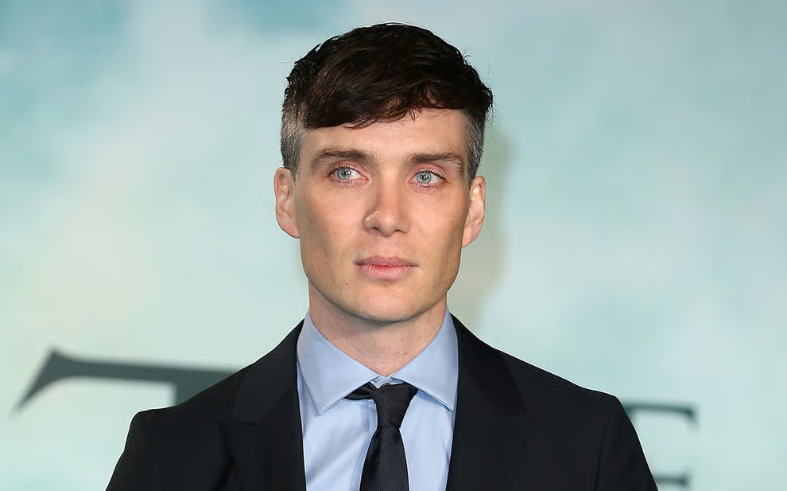
Cillian Murphy stands as one of the most compelling actors of his generation, known for magnetic screen presence, strike-blue eyes, and an ability to convey quiet intensity. Transcending conventional Hollywood stardom, the Irish actor built a career defined by bold artistic choices, deep character commitment, and long-standing collaborations with premier filmmakers. From early theatrical roots in Cork to winning an Academy Award, Murphy’s path reflects dedication to story over celebrity.
Early Life and the Shift from Music to Acting
Born on May 25, 1976, in Douglas, Cork, Ireland, Cillian Murphy grew up in an academic family. His mother taught French while his father worked for the Department of Education. Though he excelled academically at Presentation Brothers College, his initial artistic passion was music rather than dramatic arts.
During his late teens and early twenties, Murphy played guitar and sang in several bands, most notably a jazz-rock group named The Sons of Mr. Green Genes. The band was offered a five-album record deal, but the members declined due to financial constraints and young bandmates’ educational commitments. Shortly after, while studying law at University College Cork (UCC), Murphy discovered acting through the university’s drama society.
His theatrical debut in Enda Walsh’s play Disco Pigs in 1996 marked a turning point. The production received critical acclaim, toured internationally for eighteen months, and prompted Murphy to leave law school to pursue acting full-time.
Breakthrough Roles and Rise to International Fame
The cinematic adaptation of Disco Pigs in 2001 brought Murphy to the attention of mainstream directors. However, his global breakthrough arrived in 2002 when director Danny Boyle cast him as Jim in the post-apocalyptic thriller 28 Days Later. The film achieved massive commercial success, establishing Murphy as a leading actor capable of anchoring high-concept stories.
Subsequent roles demonstrated exceptional versatility:
- Red Eye (2005): Played the chilling antagonist Jackson Rippner alongside Rachel McAdams.
- Breakfast on Pluto (2005): Earned a Golden Globe nomination for depicting Patrick “Kitten” Braden, a transgender Irish woman navigating 1970s London.
- The Wind That Shakes the Barley (2006): Starred in Ken Loach’s Palme d’Or-winning war drama about the Irish War of Independence.
Key Career Highlights and Milestones
| Year | Project Title | Character / Role | Distinction & Impact |
| 2002 | 28 Days Later | Jim | Breakout lead role; revitalized the zombie cinema genre. |
| 2005 | Batman Begins | Dr. Jonathan Crane / Scarecrow | First collaboration with director Christopher Nolan. |
| 2006 | The Wind That Shakes the Barley | Damien O’Donovan | Winner of the Palme d’Or at the Cannes Film Festival. |
| 2010 | Inception | Robert Fischer | Key supporting role in Nolan’s acclaimed sci-fi heist film. |
| 2013–2022 | Peaky Blinders | Thomas Shelby | Definitive television role; global cultural phenomenon. |
| 2023 | Oppenheimer | J. Robert Oppenheimer | Winner of Academy Award for Best Lead Actor. |
The Christopher Nolan Partnership
A central pillar of Murphy’s career is his creative partnership with filmmaker Christopher Nolan. Their collaboration began when Murphy auditioned for the role of Bruce Wayne in Batman Begins. While Christian Bale ultimately secured the lead, Nolan recognized Murphy’s talent and cast him as Dr. Jonathan Crane (Scarecrow).
This marked the start of a decades-long professional relationship spanning six films:
- Batman Begins (2005)
- The Dark Knight (2008)
- Inception (2010)
- The Dark Knight Rises (2012)
- Dunkirk (2017)
- Oppenheimer (2023)
This creative alignment reached its apex with Oppenheimer, where Nolan handed Murphy his first lead role in their shared filmography. Portraying the complex, conflicted “father of the atomic bomb,” Murphy delivered a masterclass in understated emotion, earning widespread critical acclaim and sweeping major industry accolades.
Thomas Shelby and the Impact of Peaky Blinders
In 2013, Murphy took on the television role that solidified his international status: Thomas Shelby in the BBC drama series Peaky Blinders. As the ambitious, traumatized leader of a Birmingham crime family following World War I, Murphy anchored the series across six seasons.
His portrayal made Thomas Shelby an iconic modern television figure, recognized for strategic intellect, distinctive style, and haunting vulnerability. The success of the television series sparked widespread global recognition and led to the continuation of the narrative in feature film projects like Peaky Blinders: The Immortal Man.
Acting Style and Approach to Craft
Murphy is widely praised by peers and critics for an expressive performance style that relies heavily on internal subtext rather than grand gestures. Director and co-stars often highlight his unique physical attributes—particularly vivid eyes—and his capacity to project deep psychological states with minimal dialogue.
- Subtle Expression: Prefers conveying complex internal conflict through gaze and posture.
- Vocal Discipline: Mastered numerous regional dialects, ranging from South London to Birmingham and American accents.
- Character Immersion: Known for intensive preparation, including physical transformations and extensive historical research for biographical projects.
Personal Life and Public Persona
Despite global renown, Murphy maintains a famously private personal life. He married visual artist Yvonne McGuinness in 2004, having met during his early theater days with Disco Pigs. The couple has two sons and relocated from London back to Ireland in 2015 to raise their family away from the public eye.
Murphy deliberately avoids social media, rarely attends industry parties outside promotional obligations, and prefers a quiet life in Dublin. His grounded perspective on fame and dedication to home life remain central to his personal philosophy.
Legacy and Continuing Influence
Cillian Murphy’s career demonstrates that an actor can achieve monumental success while preserving artistic integrity and personal privacy. Whether headlining major studio epics, steering acclaimed television dramas, or championing independent film projects as actor and producer, his work continues to set a high standard in contemporary cinema.
