


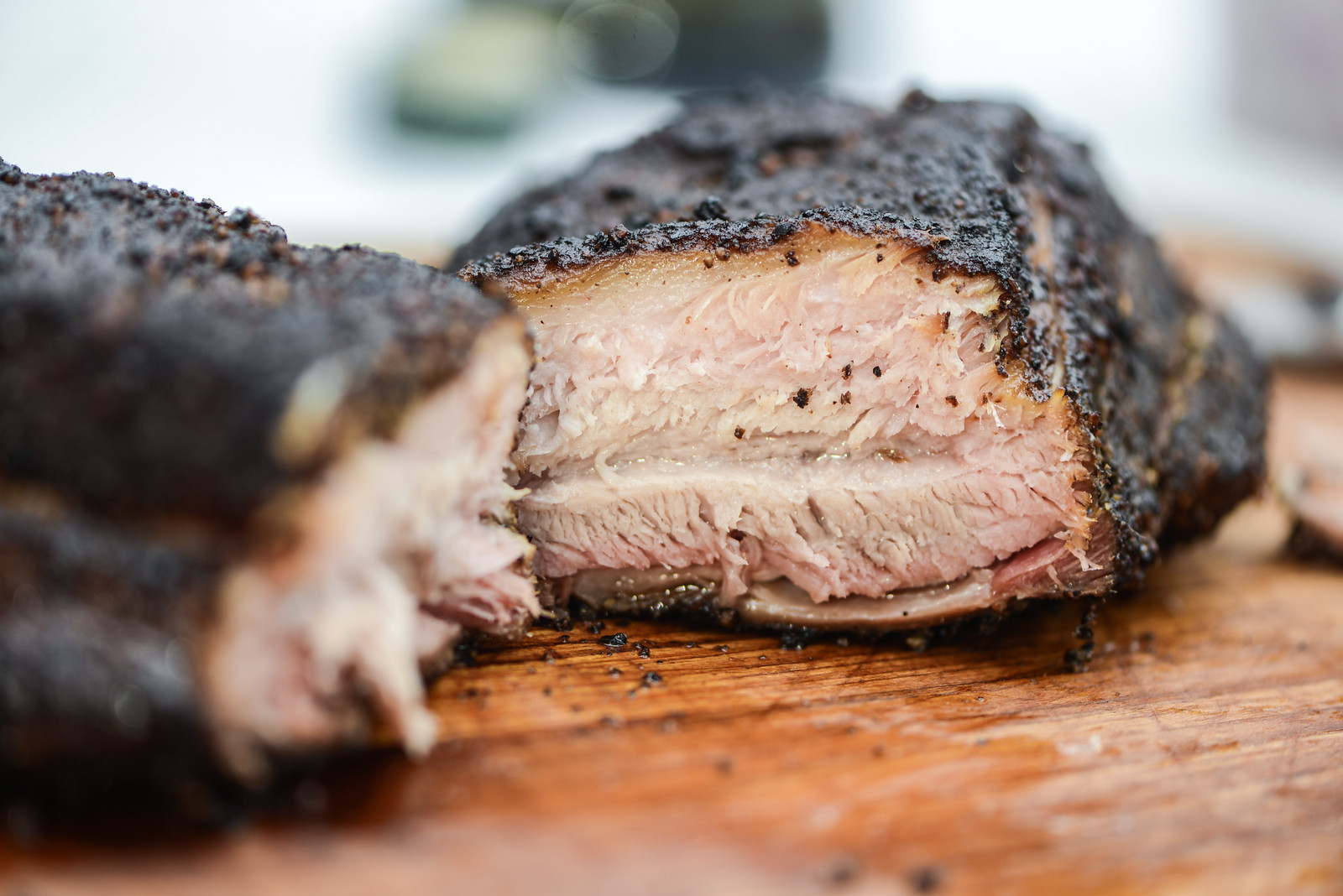
Smoked pork belly is one of the most flavorful and satisfying dishes you can make. This cut of meat is rich, juicy, and packed with smoky goodness. Whether you’re cooking for a family gathering or a backyard BBQ, smoked pork belly is a crowd-pleaser that leaves everyone asking for seconds.
In this guide, you’ll learn everything you need to know about smoked pork belly — from choosing the right cut to the steps for perfect smoking. You’ll also get expert tips, recipe ideas, and serving suggestions to make your dish stand out.
What Is Smoked Pork Belly?
Pork belly comes from the underside of the pig — the same cut used to make bacon. When smoked slowly over wood, pork belly becomes tender, flavorful, and rich with a perfectly crispy outer layer. The fat melts during the smoking process, making every bite moist and delicious.
Why It’s So Popular
Smoked pork belly has gained massive popularity for several reasons:
- Amazing flavor: The combination of fat, meat, and smoke creates deep, savory flavors.
- Versatile dish: It can be served as the main course, appetizer, or even in sandwiches.
- Simple ingredients: Salt, pepper, spices, and wood smoke do most of the work.
- Impressive presentation: Crisp edges and juicy layers create a mouthwatering look.
How to Choose the Best Pork Belly
The secret to great smoked pork belly starts with the right cut. Here’s what to look for:
- Thickness: Choose a belly that’s at least 1.5 to 2 inches thick for even smoking.
- Marbling: Look for visible layers of fat. Fat adds flavor and moisture.
- Skin-on or skinless: Skin-on pork belly gives a crispy finish, while skinless allows smoke to penetrate deeper.
- Freshness: Always choose fresh, high-quality meat from a trusted butcher.
If your butcher offers heritage or pasture-raised pork, go for it. The flavor difference is incredible.
Ingredients for Smoked Pork Belly
You don’t need fancy ingredients. Most of the magic comes from the smoke and fat. Here’s a simple list:
- 1 slab of pork belly (3–5 pounds)
- Kosher salt
- Black pepper
- Paprika
- Garlic powder
- Brown sugar
- Olive oil or mustard (as binder)
- Wood chips (apple, cherry, or hickory)
Optional Add-ons
You can experiment with extra flavors:
- Cayenne or chili flakes for heat
- Honey for sweetness
- Soy sauce or apple cider vinegar for tang
Prepping the Pork Belly for Smoking
Proper preparation sets the foundation for flavor and texture.
1. Trim the Meat
Remove any loose pieces or excess fat. You want even layers so it cooks uniformly.
2. Score the Fat
Use a sharp knife to score the fat side in a crisscross pattern. This helps the seasoning and smoke penetrate deeper.
3. Apply a Binder
Rub a thin layer of mustard or olive oil over the surface. It helps the spices stick.
4. Season Generously
Mix your salt, pepper, brown sugar, and spices. Cover the entire surface of the pork belly evenly.
5. Rest Before Smoking
Let the meat rest in the fridge for at least one hour, or overnight for bolder flavor.
Setting Up the Smoker
The right setup makes all the difference.
Temperature
The sweet spot for smoking pork belly is 225°F (107°C). This low and slow temperature breaks down fat without drying out the meat.
Type of Wood
The wood you use defines the smoke aroma:
- Applewood: Mild and slightly sweet
- Cherry wood: Deep color and sweet smoke
- Hickory: Strong, classic bacon flavor
- Maple: Smooth and subtle sweetness
Mixing apple and hickory gives a great balance of sweetness and smoky depth.
Water Pan
Add a water pan under the grates to keep the temperature stable and maintain moisture.
Step-by-Step: How to Smoke Pork Belly
Ready to smoke? Follow these clear steps.
Step 1: Preheat the Smoker
Set your smoker to 225°F and let it stabilize before adding the meat.
Step 2: Place the Pork Belly
Put the pork belly on the smoker grate with the fat side up. This lets the fat render over the meat during cooking.
Step 3: Monitor the Temperature
Use a digital thermometer. Maintain a consistent temperature throughout the process.
Step 4: Spritz for Moisture
Every hour, spray the pork belly with apple juice or apple cider vinegar. This keeps the surface moist and enhances flavor.
Step 5: Wrap (Optional)
Once the internal temperature reaches 165°F (74°C), you can wrap the pork belly in foil. Wrapping locks in moisture and speeds up the final cook.
Step 6: Finish Smoking
Continue smoking until the internal temperature hits 195°F to 200°F (90°C–93°C). The fat should be soft, and the meat should jiggle when touched.
Step 7: Rest Before Slicing
Remove the pork belly, wrap it loosely with foil, and let it rest for 20–30 minutes. This allows the juices to redistribute.
How to Slice and Serve Smoked Pork Belly
Once rested, it’s time to serve the smoked pork belly.
Slicing Tips
- Use a sharp slicing knife.
- Cut against the grain for tender bites.
- Slice into ½-inch thick pieces or cubes for burnt ends.
Serving Ideas
Smoked pork belly can be served in many ways:
- Main course: Slice it thick and serve with sides like coleslaw or cornbread.
- Sandwiches: Layer slices in buns with pickles and BBQ sauce.
- Tacos: Chop into small cubes and load them into soft tortillas.
- Appetizers: Make crispy burnt ends glazed in BBQ sauce.
Smoked Pork Belly Burnt Ends
Burnt ends are small cubes of smoked pork belly caramelized in sauce — sticky, sweet, and smoky.
How to Make Them
- Cube the smoked pork belly after it reaches 165°F.
- Toss the cubes in BBQ sauce, honey, and brown sugar.
- Return them to the smoker for another 45–60 minutes until caramelized.
The result? Bite-sized perfection that melts in your mouth.
Best Sauces and Rubs for Smoked Pork Belly
Dry Rub Ideas
- Sweet Heat Rub: Brown sugar, paprika, cayenne, and garlic powder.
- Classic BBQ Rub: Black pepper, salt, paprika, and mustard powder.
- Asian-Inspired Rub: Soy, ginger, garlic, and sesame.
Sauces to Try
- Honey BBQ: Sweet and sticky.
- Spicy Carolina: Tangy with a kick of vinegar and chili.
- Bourbon Glaze: Rich, smoky, and slightly boozy.
Experiment to find your favorite flavor combo.
Common Mistakes to Avoid
Even seasoned cooks make errors. Avoid these common pitfalls for perfect smoked pork belly:
- Smoking too hot: High heat will dry out the meat. Stick to 225°F.
- Skipping the rest period: Resting locks in the juices. Never skip it.
- Underseasoning: Pork belly needs a strong rub to balance its richness.
- Choosing lean cuts: Fat is flavor — don’t fear it.
- Not using a thermometer: Internal temperature is key to success.
Recommended Side Dishes
Pair your smoked pork belly with these tasty sides:
- Creamy mashed potatoes
- Classic coleslaw
- Cornbread with honey butter
- Grilled vegetables
- Mac and cheese
- Pickles or kimchi for contrast
These sides balance the richness and add texture to the plate.
Storing and Reheating Smoked Pork Belly
If you have leftovers (lucky you!), here’s how to keep them fresh.
Storing
- Wrap tightly in foil or place in an airtight container.
- Refrigerate for up to 4 days.
- Freeze for up to 3 months.
Reheating
- Oven: Reheat at 275°F until warmed through.
- Air fryer: Use for 5–7 minutes to crisp the surface.
- Skillet: Sear slices until golden brown.
Avoid microwaving — it makes the fat rubbery.
Variations of Smoked Pork Belly Recipes
Smoked pork belly works with many flavors. Try these twists:
1. Asian Glazed Pork Belly
Use soy sauce, ginger, and honey glaze for a sticky and savory flavor.
2. Maple Bourbon Pork Belly
Combine maple syrup and bourbon for a sweet-smoky coating.
3. Spicy BBQ Pork Belly
Add chili paste or cayenne powder for a fiery bite.
4. Sweet Apple Cider Pork Belly
Smoke with apple wood and baste with apple cider reduction.
Nutrition Facts (Approximate per 4 oz Serving)
- Calories: 450
- Protein: 15g
- Fat: 40g
- Carbohydrates: 3g
- Sugar: 2g
While smoked pork belly is high in fat, its flavor and satisfaction make occasional indulgence well worth it.
Expert Tips for Perfect Smoked Pork Belly
- Always preheat your smoker before adding meat.
- Use a reliable thermometer to monitor temps.
- Rotate the pork belly halfway for even cooking.
- Experiment with different woods to find your flavor preference.
- Allow at least 4–6 hours of smoke time for tender results.
- Let it rest uncovered if you want a crispier outer crust.
Consistency and patience are key to mastering smoked pork belly.
Benefits of Smoking Pork Belly at Home
Smoking your pork belly at home offers several advantages:
- Control over flavor: Adjust wood type, rubs, and sauces.
- Healthier than store-bought: No preservatives, just pure ingredients.
- Cost-effective: Whole pork belly is cheaper per pound than bacon.
- Satisfying process: The slow smoking ritual is both rewarding and relaxing.
Plus, your home will smell amazing!
Pairing Drinks with Smoked Pork Belly
The smoky, rich flavor pairs well with several beverages.
Best Drinks:
- Beer: IPAs or amber ales cut through the richness.
- Whiskey: Smoky bourbons complement the flavor.
- Cider: Crisp and refreshing balance to fatty meats.
- Red Wine: Try Syrah or Zinfandel for deep, fruity notes.
Final Thoughts on Smoked Pork Belly
Smoked pork belly stands as a true test of patience, skill, and love for flavor. When done right, it offers unmatched texture — crispy outside, tender inside, and layers of rich, smoky taste. It’s a dish that turns a simple piece of meat into something gourmet.
With the tips and recipe steps in this guide, you can confidently create restaurant-quality smoked pork belly right in your backyard. So fire up the smoker, season your meat, and enjoy the process. Every delicious bite will prove that the effort was worth it.
