


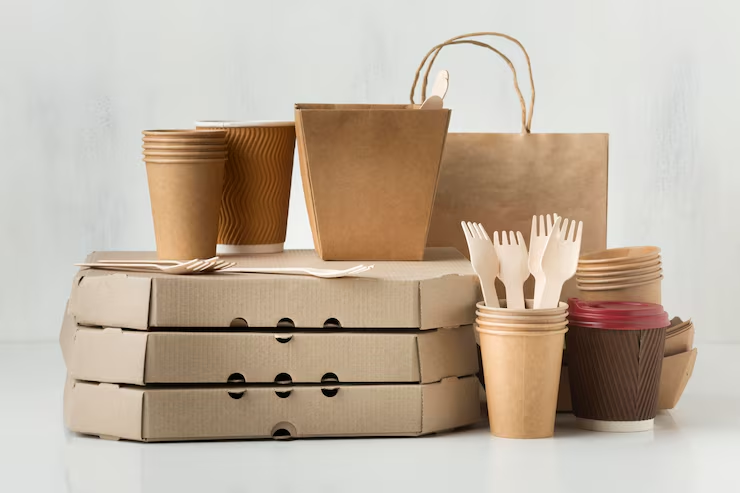
In recent years, paper food packaging has undergone significant development, evolving from simple wrappers and cartons into highly engineered solutions capable of handling a wide variety of food products. Although plastic packaging has traditionally been valued for its durability and resistance to moisture, modern paper-based alternatives can be just as sturdy while offering additional environmental and branding benefits.
How sturdy is paper-based food packaging?
One of the most common misconceptions about paper food packaging is that it is weak by nature. In reality, many food boxes, trays, cups and containers are made from thick paperboard, corrugated materials or multi-layer constructions that are designed to withstand substantial weight and handling. High-quality paper food boxes from manufacturers like https://univest-pack.com/ can safely carry items such as burgers, sandwiches, pastries, salads and heavier prepared meals without losing their structural integrity.
The sturdiness of paper packaging largely depends on material selection and design. Manufacturers can use different grades of paperboard, reinforced corners, locking mechanisms and folded structures to increase strength. Many takeaway food boxes are specifically designed to retain their shape during transportation, stacking and delivery. Consequently, paper packaging can often provide adequate protection for a wide range of food service applications.
Modern paper packaging can incorporate specialised coatings to improve resistance to grease, moisture and heat. These coatings help to prevent leakage and maintain the performance of the packaging when it is used with oily foods, hot meals or products containing sauces. This significantly expands the range of foods that can be effectively packaged in paper containers.
When should you prefer paper food packaging to plastic?
In some situations, paper packaging may be a better choice than plastic:
- One important example is takeaway and fast food. Paper boxes and wraps are strong enough for short-term food transport and offer a more environmentally friendly image. Many consumers increasingly associate paper packaging with sustainability and responsible business practices, which can positively influence purchasing decisions.
- Paper packaging also offers businesses stronger branding opportunities. Paper is generally easier to print on than many plastic materials, allowing for high-quality graphics, logos, product information and promotional messaging. This makes paper food boxes effective marketing tools as well as functional packaging.
- Large-scale events such as festivals, sporting events and corporate gatherings often benefit from paper packaging because it is lightweight and easy to distribute and manage within recycling systems. In these environments, the combination of functionality and environmental appeal is particularly valuable.
- Paper packaging may also be preferable for food products that require breathability. Bakery items, pastries and certain prepared foods benefit from limited airflow, as this reduces condensation and maintains product quality. However, plastic containers can sometimes trap excess moisture, which can affect the texture and freshness of the food.
However, plastic can still be advantageous for products requiring long-term storage, exceptional moisture barriers or complete leak prevention. Therefore, the choice between paper and plastic should be based on the specific requirements of the food product and distribution process.
