


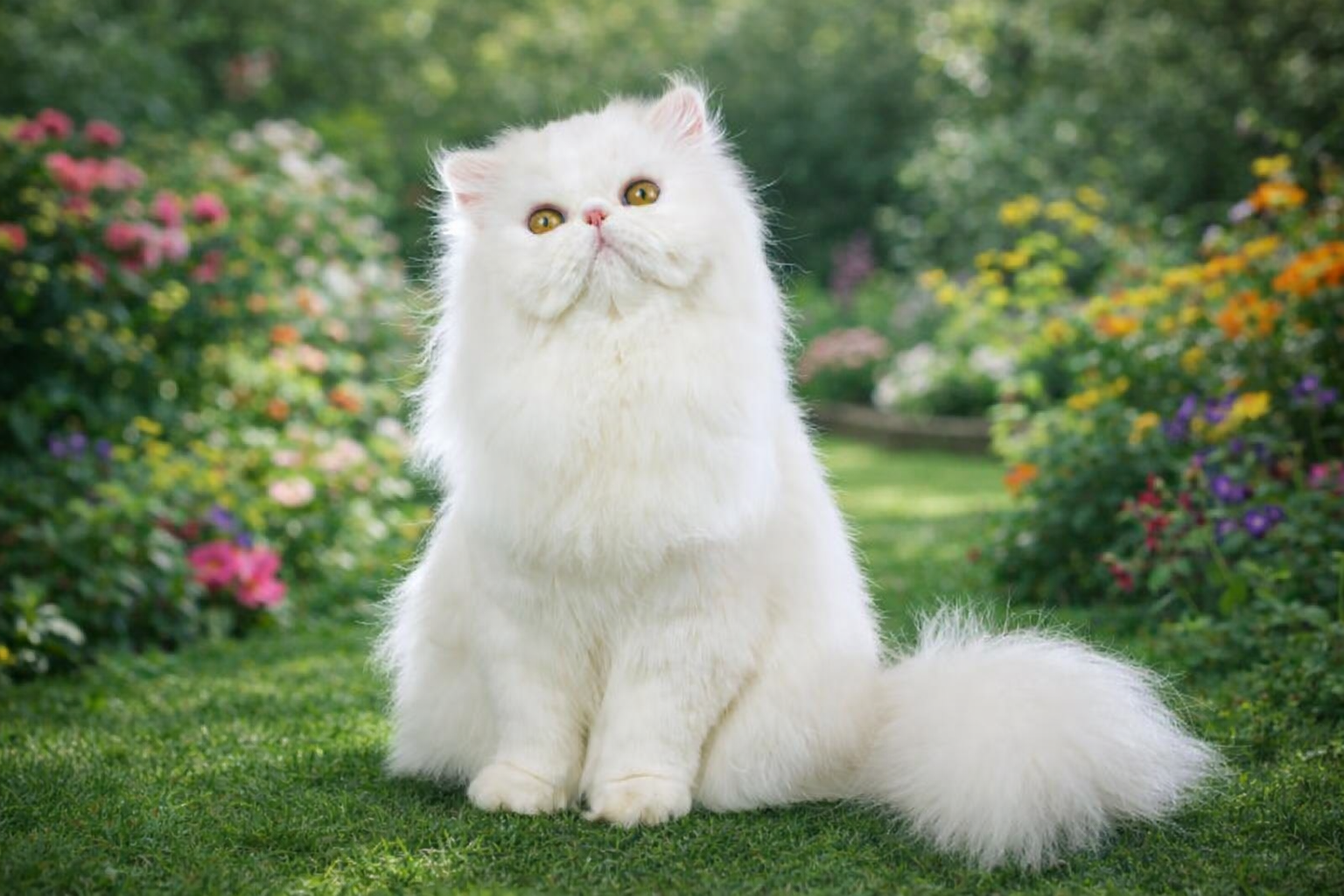
Have you ever looked at your cat and wondered, what breed is my cat? You’re not alone. Many cat owners ask this question. Some cats look like purebreds, while others have unique features that make them hard to identify. Understanding your cat’s breed can help you learn more about its behavior, health needs, and personality.
In this guide, you’ll learn how to identify your cat’s breed and the common traits of popular cat breeds. We’ll also explore how to tell if your cat is a mixed breed or a purebred.
Why Knowing Your Cat’s Breed Matters
Knowing your cat’s breed can help you:
- Understand their personality traits
- Be aware of breed-specific health issues
- Choose the right food and care
- Understand grooming needs
- Predict behavior and energy levels
While breed alone doesn’t define your cat, it does give clues about what to expect.
First, Is Your Cat Purebred or Mixed?
Before you ask what breed is my cat, you need to know if your cat is purebred or mixed breed. Most cats in the world are mixed breed, especially rescue cats. Purebred cats usually come with registration papers from breeders.
Signs of a Purebred Cat:
- Unique and consistent appearance
- Known pedigree or breeder history
- Specific coat and eye color combinations
- Distinct body shapes and fur length
Mixed Breed Cats (also called Domestic Cats):
- Often have a mix of physical traits
- Come in many colors and coat types
- Usually don’t have breeder papers
- Make up the majority of pet cats
If your cat came from a shelter or you found it on the street, it’s likely a mixed breed. But even mixed breeds can resemble certain purebred cats.
Key Features to Help Identify Your Cat’s Breed
To answer the question what breed is my cat, start by looking at your cat’s physical features. Here are the main traits to observe:
1. Coat Length and Texture
Cats can have short, medium, or long fur. Some coats are silky, while others are dense or curly.
- Short Hair: Sleek and easy to groom (e.g., American Shorthair)
- Long Hair: Fluffy and needs regular brushing (e.g., Maine Coon)
- Curly or Wavy Hair: Rare and usually breed-specific (e.g., Devon Rex)
2. Coat Color and Pattern
Coat colors and patterns can be breed indicators.
- Solid: One color all over (e.g., Russian Blue)
- Tabby: Striped or spotted with an ‘M’ on the forehead
- Calico: White, black, and orange patches (usually female)
- Tortoiseshell: Mix of black and orange
- Pointed: Lighter body with darker ears, paws, and tail (e.g., Siamese)
3. Body Type
Is your cat muscular, slim, or fluffy?
- Slim and elegant: Oriental breeds like the Siamese
- Muscular and stocky: British Shorthair or American Shorthair
- Large and fluffy: Maine Coon or Norwegian Forest Cat
4. Face Shape and Features
Look at your cat’s face, ears, and eyes.
- Flat face: May indicate Persian or Exotic Shorthair
- Large ears: Common in breeds like Abyssinian or Oriental Shorthair
- Almond or round eyes: Shape and color can be breed clues
Popular Cat Breeds and Their Traits
Here’s a list of common cat breeds to help you compare with your own cat.
1. Siamese
- Coat: Short, pointed pattern
- Eyes: Blue
- Body: Slim, elegant
- Traits: Vocal, social, intelligent
2. Maine Coon
- Coat: Long, thick
- Size: Very large
- Features: Fluffy tail, tufted ears
- Traits: Friendly, playful, dog-like
3. Persian
- Coat: Long, soft
- Face: Flat
- Traits: Calm, prefers quiet, loves to nap
4. Bengal
- Coat: Spotted or marbled, like a wild cat
- Body: Muscular, athletic
- Traits: Energetic, loves to climb and play
5. Ragdoll
- Coat: Medium to long, soft
- Eyes: Blue
- Body: Large, floppy when held
- Traits: Gentle, affectionate, good with kids
6. British Shorthair
- Coat: Dense, plush
- Body: Round face, thick body
- Traits: Calm, independent, low-maintenance
7. Abyssinian
- Coat: Short, ticked (each hair has bands of color)
- Body: Slim, elegant
- Traits: Curious, active, loves heights
8. Oriental Shorthair
- Coat: Short, many colors
- Ears: Very large
- Traits: Vocal, affectionate, energetic
How to Tell What Breed Your Cat Is
Still asking what breed is my cat? Here are steps to help you find out.
Step 1: Examine Physical Traits
Use the features listed above to compare your cat with known breeds. Take note of:
- Fur length and texture
- Color and pattern
- Body size and shape
- Eye and ear shape
Step 2: Consider Their Behavior
Some breeds have unique personalities. Is your cat:
- Talkative and needy (like a Siamese)?
- Quiet and lazy (like a Persian)?
- Energetic and playful (like a Bengal)?
Behavior isn’t always a clear sign, but it helps narrow it down.
Step 3: Ask a Vet or Breeder
Your vet may have experience with different breeds and can give you an idea of what breed your cat resembles. You can also ask a local cat breeder or show judge for their opinion.
Step 4: Use Online Tools or Apps
There are websites and mobile apps where you can upload a photo of your cat. These tools compare your cat’s features with a database of breeds.
Step 5: DNA Testing
For the most accurate answer to what breed is my cat, consider a cat DNA test. These tests:
- Use a cheek swab or hair sample
- Identify breed ancestry
- Detect inherited health issues
- Help you understand your cat’s genetics
Popular cat DNA test brands include:
- Basepaws
- Wisdom Panel
- Orivet
These tests give results in a few weeks and can tell you if your cat has percentages of certain breeds.
Can You Tell Breed Just by Appearance?
Sometimes, but not always. Two cats may look alike but come from different breed backgrounds. Also, many traits overlap between breeds and mixed cats. That’s why DNA testing is the most accurate method.
What If My Cat Doesn’t Match Any Breed?
That’s normal! Most domestic cats are non-pedigree or Domestic Shorthair (DSH) and Domestic Longhair (DLH) cats. These cats don’t belong to a specific breed but still make loving pets.
Even without a breed, your cat is special. Focus on their unique traits and personality instead of labels.
FAQs About Cat Breeds
Q: Can coat color alone tell me the breed?
No. Many cats share similar coat colors across breeds. For example, tabby patterns appear in both mixed and purebred cats.
Q: Are mixed breed cats healthier?
Mixed breed cats often have fewer genetic health problems due to diverse gene pools. However, each cat is different.
Q: Can I register my cat as a breed without papers?
No. Breed registries require verified lineage and breeder documents. Mixed breed cats can’t be registered as purebreds.
Q: Is it important to know my cat’s breed?
It helps, but it’s not required. Knowing breed traits helps with care and behavior, but love and attention matter more.
Final Thoughts: Every Cat Is Unique
It’s fun to ask what breed is my cat, but remember — every cat is unique, no matter their breed. Whether your cat is a purebred Siamese or a lovable mix of many traits, they deserve the same love and care.
If you want a clear answer, start by examining their traits, then try a DNA test. But most of all, enjoy the bond you share. That’s what really matters.
