


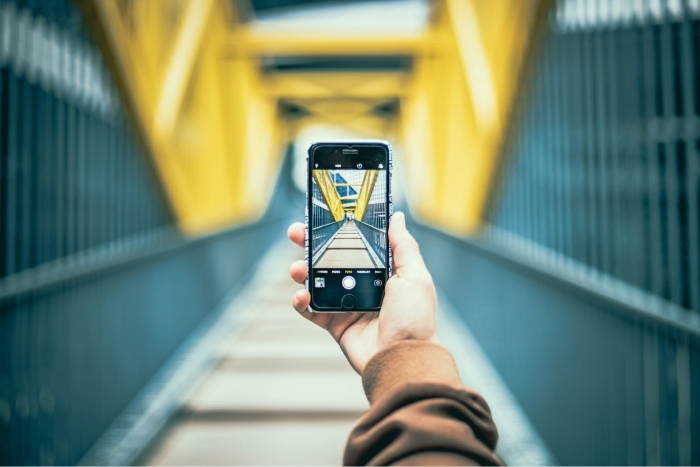
Smartphones have quietly replaced traditional cameras for most people, becoming the main tool for recording daily life. From quick photos of meals to capturing family moments, phone cameras are used constantly without much thought. Yet when it comes time to buy a new phone, camera specifications suddenly feel overwhelming and confusing. Technical terms often distract people from what actually matters in everyday use. Understanding how these cameras work can save you money and prevent frustration. In this article, we will break down smartphone camera features in clear, practical language to help you choose and use a phone camera with confidence.
Understanding Camera Hardware
Megapixels Aren’t Everything
Many people believe that more megapixels automatically mean better photos, but that is not always true. Megapixels simply describe how many pixels make up an image, not how good each pixel looks. A high-megapixel photo can still appear blurry or noisy if other hardware is weak. In daily use, factors like lighting, focus speed, and camera stability matter far more than raw pixel count. Even with fewer megapixels, a well-designed camera can produce sharper, more natural photos that look great on social media or when printed. Understanding this helps avoid choosing a phone based on numbers alone and prevents disappointment after purchase.
Sensor Size and Aperture: The Real Keys to Light
Sensor size determines how much light a camera can capture in a single shot. Larger sensors collect more light, which improves clarity and reduces noise, especially indoors or at night. Aperture controls how wide the lens opens, allowing more or less light to reach the sensor. A wider aperture helps create brighter photos and softer background blur, which is essential for portraits and low-light situations. Together, sensor size and aperture shape how natural and detailed photos look in real-world situations, and they often matter more than megapixels or the number of lenses.
Zoom: Optical, Digital, and Hybrid
Why Optical Zoom is Best for Quality
Optical zoom uses physical lens movement to bring distant subjects closer. Because the image is not cropped, details remain sharp and natural. This is especially useful for travel photos, events, or capturing details from far away. Optical zoom maintains image quality even at higher zoom levels, unlike digital zoom, which often loses detail. For everyday photography, it offers the most reliable and consistent results without extra effort. People who frequently photograph landscapes or distant objects quickly notice the difference in clarity and sharpness.
How Digital Zoom Works (and Its Limits)
Digital zoom simply crops and enlarges part of the image. While it may look acceptable on a small screen, details are often lost quickly. The more you zoom digitally, the more noticeable blur and noise become. This is why digital zoom struggles in low light or with moving subjects. Understanding its limits helps users decide when to physically move closer to the subject rather than relying on digital enlargement, which preserves quality and ensures memorable images.
Software That Makes the Difference
How Night Mode and HDR Work
Camera software plays a major role in modern photography. Night mode combines multiple images to brighten dark scenes while reducing noise. HDR balances bright and dark areas by merging exposures into a single photo. These features help users capture scenes that would be difficult with hardware alone. In daily life, they make casual photography far more forgiving and stress-free. They also reduce the need for additional equipment like tripods or external lighting, which is ideal for spontaneous photography.
Portrait Mode and AI Scene Detection
Portrait mode uses software to blur backgrounds and highlight subjects. While not perfect, it creates professional-looking photos with minimal effort. AI scene detection adjusts colors and exposure based on what the camera sees. This means users do not need to manually tweak settings for each shot. These tools help casual photographers take images that appear thoughtfully composed. Combined with other software enhancements, AI features allow anyone to capture great photos in challenging conditions.
Choosing a Phone for Its Camera
Match the Camera to Your Needs
Different lifestyles require different camera strengths. Travelers may value zoom and landscape performance, while parents prioritize fast focus and motion handling. Low-light photography matters more for people who take photos indoors or at night. Choosing based on real habits leads to better satisfaction over time. Understanding your daily photography routines ensures that you get a phone that truly fits your life rather than paying for features you rarely use.
Don’t Just Count Lenses—Check Reviews and Samples
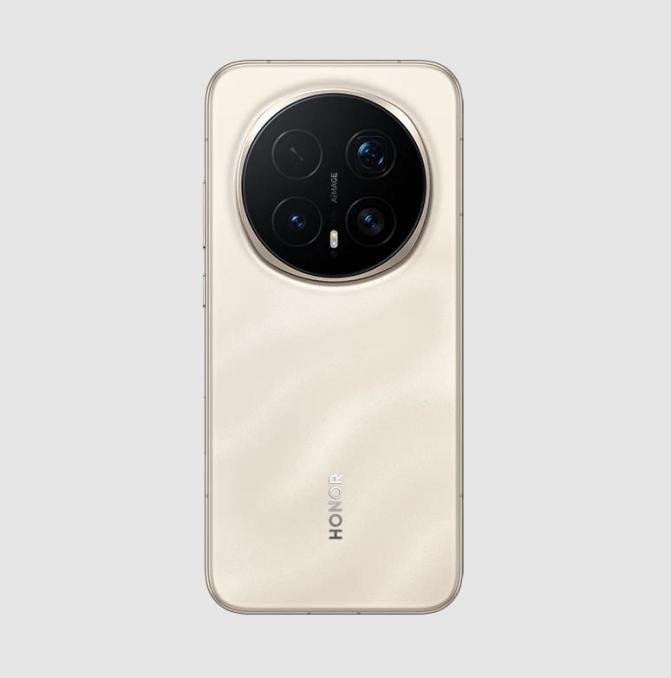
Multiple lenses do not guarantee better photos. Real-world performance matters more than how many cameras a phone advertises. Looking at sample photos helps set realistic expectations. Many users find that overall balance matters more, especially when the HONOR Magic 8 Pro price feels like a strong value for people who want reliable camera results without chasing extreme specifications. Reading independent reviews and testing sample images can save money and prevent disappointment. Evaluating actual image quality instead of marketing terms leads to smarter buying decisions.
Conclusion
A smartphone camera is more than a collection of numbers and technical terms. What truly matters is how well it captures everyday moments without frustration. Understanding hardware, software, and real-world use helps people choose wisely. Photography should feel simple, not stressful. When shopping, consider your actual needs and practical options—sometimes it makes sense to buy HONOR Magic 8 Pro for its balance of features, reliability, and value. Focusing on what suits your lifestyle ensures your phone becomes a dependable tool for preserving meaningful memories.
