


Key Takeaways
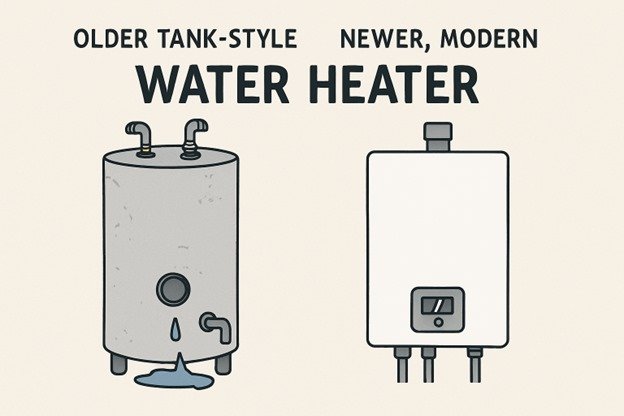
- Traditional tank water heaters last 8–12 years, while tankless models can last up to 20 years with proper care.
- Signs like rusty water, inconsistent temperatures, and leaks signal the need to plan for a replacement.
- Choosing the best hot water systems can improve efficiency and lower energy bills.
- Routine maintenance, including annual flushing and temperature adjustments, extends the system’s lifespan and ensures reliable hot water.
- Consulting a professional when issues arise can prevent unexpected breakdowns and costly damage.
Average Lifespan of Water Heaters
Most of us don’t appreciate hot water until we lose it. Understanding how long your water heater should last—and planning—can save you from inconvenient breakdowns and emergency expenses. Homeowners in climates like Utah’s face unique challenges, which makes choosing the best hot water systems for Utah homes a crucial decision. Selecting a system tailored to your household’s needs and weather conditions improves comfort and maximizes energy savings over the lifetime of your unit.
According to industry norms, most traditional tank water heaters last about 8 to 12 years. Tankless water heaters, on the other hand, often run efficiently for 20 years or more. Why does the difference exist? Tankless models heat water on demand and don’t store large volumes, meaning they’re less prone to rust and sediment buildup, a common culprit in early tank heater failures.
Signs It’s Time to Replace Your Water Heater
While a water heater may be quietly working away, certain warning signs signal that a replacement is on the horizon:
- Age: If your system is nearing or has exceeded its expected lifespan, begin planning for an upgrade.
- Rusty or Discolored Water: Internal corrosion might compromise the tank if you notice brown or red-tinted water when using hot taps.
- Unusual Noises: Rumbling, popping, or banging sounds often mean sediment has built up and is being heated repeatedly, stressing the unit.
- Visible Leaks: Puddles or moisture around the base mean the tank is likely developing holes or cracks—a surefire sign it’s time to replace it.
- Temperature Fluctuations: Inconsistent or lukewarm hot water can indicate an aging heating element or thermostat issues.
Ignoring these warning signs can result in complete unit failure and water damage to your property. Taking action early can help avoid emergency scenarios and higher costs.
Benefits of Upgrading to an Energy-Efficient Model
Advances in water heater technology mean today’s units use significantly less energy than those manufactured a decade ago. Upgrading to a newer, energy-efficient model delivers more than just peace of mind:
- Lower Energy Bills: Energy-efficient water heaters can reduce your annual utility costs by hundreds of dollars, as confirmed by the U.S. Department of Energy.
- Reliable Hot Water: New models are less prone to unexpected temperature drops, ensuring a steady supply whenever needed.
- Eco-Friendly: Using less energy helps lower your home’s carbon footprint, which is better for your wallet and the environment.
Choosing the right model can also mean choosing from a range of features, such as smart controls, leak detection systems, and improved insulation that dramatically reduces standby heat loss.
Maintenance Tips to Extend Your Water Heater’s Life
Routine maintenance goes a long way in stretching out your water heater’s years of service. Here are simple habits to adopt:
- Flush the Tank Annually: Draining a few gallons from the tank yearly removes sediment before it hardens and damages the interior.
- Inspect the Anode Rod. This rod corrodes instead of your tank; check and replace it every few years if it is worn out.
- Monitor for Leaks: Periodically inspect your unit for any moisture around the base or pipes—catching leaks early reduces the risk of bigger problems later.
- Set Temperature Wisely: Keeping the settings at 120°F balances effective water heating with energy conservation and safety.
Simple steps minimize wear and tear, helping you maximize your investment.
When to Consult a Professional
Even diligent homeowners can benefit from expert guidance. If you notice warning signs of a failing water heater, if your tank is approaching the end of its expected lifespan, or if you’re unsure about maintenance procedures, reach out to a licensed plumber. They can quickly diagnose issues and advise on repair versus replacement, ensuring your system operates safely and efficiently.
Conclusion
Proactive planning and knowledge of the warning signs ensure you’ll never be left in the cold. Whether your system is nearing the end of its life or needs routine service, taking action now ensures reliable, efficient hot water for years to come. From choosing the best hot water systems to regular upkeep, investing in your water heater is an investment in comfort and peace of mind.
